
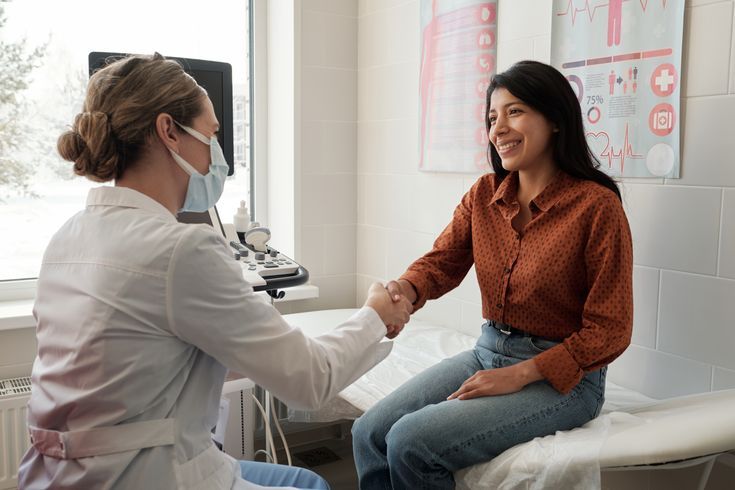
Women’s health care encompasses a wide range of medical services designed to support physical, reproductive, hormonal, and emotional well-being throughout every stage of life. From adolescence and reproductive years to pregnancy, menopause, and healthy aging, women have unique healthcare needs that require specialized attention and comprehensive care.
Understanding the importance of preventive care, regular screenings, healthy lifestyle choices, and timely medical intervention can help women maintain optimal health and improve their quality of life. This guide serves as a comprehensive resource center, providing valuable information about key aspects of women’s health care and the services available to support lifelong wellness.
Why Women’s Health Care Matters
Women experience health challenges and physiological changes that differ from those of men. Hormonal fluctuations, reproductive health concerns, pregnancy, and menopause all require specialized healthcare approaches.
Comprehensive women’s healthcare helps:
- Detect health issues early
- Promote preventive care
- Support reproductive health
- Improve overall wellness
- Enhance quality of life
- Reduce the risk of chronic diseases
Regular healthcare visits allow women to stay informed about their health and receive personalized guidance based on their age, lifestyle, and medical history.
Preventive Health Care for Women
Preventive care is one of the most important components of women’s health. Early detection and routine monitoring can help identify potential health concerns before they become serious.
Common preventive healthcare services include:
Annual Wellness Exams
Regular health checkups help monitor overall health and identify risk factors for future medical conditions.
Blood Pressure Screening
Monitoring blood pressure helps reduce the risk of heart disease and stroke.
Cholesterol Testing
Routine cholesterol checks can help assess cardiovascular health and guide preventive measures.
Diabetes Screening
Early detection of diabetes allows for timely management and improved health outcomes.
Immunizations
Vaccinations help protect women against various infectious diseases throughout different stages of life.
Reproductive Health Services
Reproductive healthcare plays a central role in women’s wellness and includes services that support fertility, family planning, and reproductive system health.
Key reproductive health services include:
- Gynecological examinations
- Family planning consultations
- Contraceptive counseling
- Fertility evaluations
- Menstrual health management
- Reproductive health screenings
Regular gynecological care helps women maintain reproductive health and address concerns early.
Importance of Gynecological Care
Gynecologists specialize in diagnosing and managing conditions affecting the female reproductive system.
Routine gynecological visits help address:
- Menstrual irregularities
- Pelvic pain
- Hormonal imbalances
- Ovarian health concerns
- Uterine conditions
- Reproductive health issues
Regular evaluations contribute to better long-term health and early identification of potential problems.
Pregnancy and Maternity Care
Pregnancy is a significant stage in a woman’s life that requires specialized medical support and monitoring.
Comprehensive maternity care typically includes:
Prenatal Care
Regular prenatal visits help monitor maternal and fetal health throughout pregnancy.
Nutritional Guidance
Proper nutrition supports healthy fetal development and maternal well-being.
Pregnancy Monitoring
Healthcare providers track fetal growth, maternal health indicators, and pregnancy progress.
Postpartum Care
Postpartum services support physical recovery, emotional health, and newborn care following delivery.
Quality maternity care contributes to healthier outcomes for both mothers and babies.
Breast Health Awareness
Breast health is an important aspect of women’s healthcare. Regular screenings and self-awareness can help detect abnormalities at an early stage.
Recommended breast health practices include:
- Routine breast examinations
- Mammography screenings
- Self-breast awareness
- Clinical breast evaluations
Early detection often improves treatment options and outcomes for many breast-related conditions.
Cervical Health and Screening
Routine cervical health screenings play a vital role in preventive women’s healthcare.
Screening methods may include:
- Cervical examinations
- Pap smear testing
- HPV-related assessments
Regular screening helps identify abnormal cellular changes early and supports timely medical intervention.
Hormonal Health and Wellness
Hormones influence many aspects of women’s health, including metabolism, mood, reproductive function, and overall well-being.
Common hormonal concerns include:
- Polycystic ovary syndrome (PCOS)
- Thyroid disorders
- Menstrual irregularities
- Perimenopause
- Menopause-related symptoms
Proper evaluation and management can help women maintain hormonal balance and improve quality of life.
Menopause and Midlife Health
Menopause is a natural stage of aging that brings significant hormonal changes. Symptoms and experiences vary among women.
Common menopause-related concerns include:
- Hot flashes
- Sleep disturbances
- Mood changes
- Bone health concerns
- Weight fluctuations
Healthcare providers can offer guidance and treatment options to help women navigate this transition comfortably.
Mental Health and Emotional Well-Being
Mental health is an essential component of overall wellness. Women may experience unique emotional and psychological challenges related to hormonal changes, life transitions, and caregiving responsibilities.
Mental health support may include:
- Stress management
- Anxiety support
- Depression screening
- Counseling services
- Lifestyle interventions
Prioritizing emotional well-being contributes to healthier and more balanced lives.
Heart Health for Women
Heart disease remains one of the leading health concerns affecting women worldwide. Maintaining cardiovascular health is essential for long-term wellness.
Heart-healthy habits include:
- Regular physical activity
- Balanced nutrition
- Blood pressure management
- Cholesterol monitoring
- Smoking cessation
- Weight management
Routine screenings help identify risk factors and support preventive care efforts.
Bone and Joint Health
Women are at increased risk of bone-related conditions, particularly after menopause.
Strategies for maintaining bone health include:
- Calcium-rich nutrition
- Vitamin D intake
- Weight-bearing exercise
- Bone density assessments
- Fall prevention strategies
Healthy bones contribute to mobility, independence, and overall quality of life.
Nutrition and Healthy Lifestyle Choices
A healthy lifestyle supports every aspect of women’s health.
Important wellness habits include:
- Eating a balanced diet
- Staying physically active
- Managing stress
- Getting adequate sleep
- Staying hydrated
- Limiting harmful habits
Healthy lifestyle choices can reduce the risk of chronic diseases and promote long-term well-being.
Women’s Health Through Different Life Stages
Healthcare needs evolve over time, making age-specific care important.
Adolescence
Focus on growth, development, menstrual health, and preventive education.
Reproductive Years
Emphasis on reproductive health, family planning, and preventive screenings.
Pregnancy and Motherhood
Specialized care for maternal and infant health.
Midlife and Menopause
Management of hormonal changes and chronic disease prevention.
Senior Years
Focus on healthy aging, bone health, cardiovascular wellness, and maintaining independence.
At Dr. Mo Clinic, patients receive expert care in urology, men’s health, dermatology, women’s wellness, and aesthetic medicine. Combining advanced technology with a personalized approach, the clinic offers treatments for sexual health, infertility, hormonal balance, skin rejuvenation, anti-aging, and laser procedures. With experienced specialists and a focus on comfort, privacy, and results, Dr. Mo Clinic ensures high-quality, patient-centered care for optimal health and wellbeing in Dubai.