
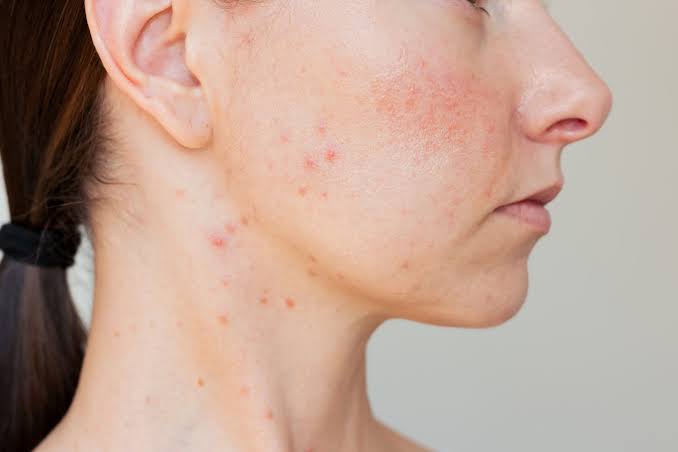
Healthy skin plays an important role in both appearance and overall well-being. However, many people experience skin concerns that affect their confidence and quality of life. Advances in modern dermatology have made it possible to diagnose, manage, and treat a wide range of skin conditions using innovative techniques and evidence-based treatments. From acne and pigmentation to chronic skin diseases and signs of aging, dermatology offers personalized solutions that address individual skin needs.
Understanding the Top Skin Concerns Treated with Modern Dermatology can help you recognize common skin problems and appreciate the benefits of seeking professional care. Early diagnosis and appropriate treatment often lead to healthier skin and better long-term outcomes.
Acne and Acne Scars
Acne is one of the most common skin conditions affecting teenagers and adults alike. It develops when hair follicles become blocked with oil, dead skin cells, and bacteria. Acne may appear as blackheads, whiteheads, pimples, or deeper cysts that can sometimes leave permanent scars.
Modern dermatology offers various treatment options designed to reduce breakouts, control inflammation, minimize scarring, and improve overall skin texture. Early treatment can help prevent long-term skin damage and promote clearer skin.
Hyperpigmentation
Hyperpigmentation refers to areas of the skin that become darker than the surrounding tissue due to excess melanin production. It may develop after acne, sun exposure, hormonal changes, or skin injuries.
Modern dermatological treatments focus on improving skin tone, reducing discoloration, and preventing future pigmentation while promoting a more even complexion.
Melasma
Melasma is a common pigmentation disorder that usually appears as brown or gray patches on the face. It is often associated with hormonal changes and sun exposure.
Managing melasma typically involves protecting the skin from ultraviolet radiation and using treatments that gradually reduce excess pigmentation while preventing recurrence.
Fine Lines and Wrinkles
As the skin ages, collagen and elastin production naturally decline. This leads to fine lines, wrinkles, and reduced skin firmness.
Modern dermatology provides non-surgical approaches that improve skin texture, stimulate collagen production, and help maintain a smoother, more youthful appearance while supporting healthy skin function.
Sun Damage
Years of ultraviolet exposure can lead to sunspots, uneven skin tone, rough texture, premature aging, and an increased risk of certain skin conditions.
Dermatology focuses on repairing visible sun damage while emphasizing the importance of daily sun protection to maintain healthier skin over time.
Rosacea
Rosacea is a long-term skin condition that commonly causes facial redness, visible blood vessels, and acne-like bumps. Symptoms may worsen due to triggers such as heat, spicy foods, stress, or sunlight.
Early diagnosis and personalized treatment plans help control flare-ups and reduce skin irritation, allowing individuals to manage the condition more effectively.
Eczema
Eczema is a chronic inflammatory skin condition characterized by dry, itchy, and irritated skin. Flare-ups may be triggered by allergens, environmental factors, stress, or certain skincare products.
Modern dermatology focuses on reducing inflammation, restoring the skin barrier, and helping patients manage symptoms through individualized care.
Psoriasis
Psoriasis is an autoimmune skin condition that causes rapid skin cell turnover, resulting in thick, scaly patches that may become itchy or uncomfortable.
Although psoriasis is a lifelong condition, modern treatments help control symptoms, reduce inflammation, and improve overall skin comfort.
Skin Allergies
Allergic skin reactions may occur after exposure to certain cosmetics, skincare ingredients, plants, medications, or environmental allergens. Symptoms often include redness, itching, swelling, or rashes.
Dermatologists help identify potential triggers and recommend treatment approaches that relieve symptoms while reducing future reactions.
Skin Infections
Bacterial, viral, and fungal infections can affect people of all ages. These infections may appear as rashes, blisters, redness, swelling, or painful skin lesions.
Accurate diagnosis allows appropriate treatment that helps eliminate infection and prevents complications or recurrence.
Warts and Skin Growths
Warts are caused by certain strains of the human papillomavirus (HPV) and commonly appear on the hands, feet, or other areas of the body. Other non-cancerous skin growths may also develop with age.
Modern dermatology provides safe evaluation and management of these skin concerns while ensuring that suspicious lesions receive proper assessment.
Hair Loss
Hair loss affects both men and women and may result from genetics, hormonal changes, nutritional deficiencies, stress, or certain medical conditions.
Dermatologists evaluate the underlying cause of hair thinning and recommend treatment strategies that support healthier hair growth and scalp health.
Excessive Sweating
Excessive sweating, also known as hyperhidrosis, can interfere with daily activities and affect self-confidence. It commonly affects the hands, feet, underarms, or face.
Modern dermatology offers treatment options that help reduce excessive sweating and improve everyday comfort.
Dry and Sensitive Skin
Persistent dryness and skin sensitivity may develop because of environmental conditions, aging, allergies, or underlying skin disorders. These issues can lead to irritation, itching, and discomfort.
Professional skin assessments help identify contributing factors while recommending suitable skincare routines that restore moisture and strengthen the skin barrier.
Skin Cancer Screening
Routine skin examinations play an important role in detecting suspicious moles or skin changes at an early stage. Dermatologists carefully evaluate new or changing skin lesions to determine whether additional investigation is necessary.
Early detection significantly improves treatment outcomes and encourages better long-term skin health.
Benefits of Modern Dermatology
Advancements in dermatology have improved the diagnosis and management of numerous skin conditions. Some of the key benefits include:
- Early detection of skin disorders
- Personalized treatment plans
- Improved skin appearance and texture
- Better management of chronic skin conditions
- Enhanced patient education
- Support for long-term skin health
- Minimally invasive treatment options
Modern dermatology combines scientific knowledge with advanced technology to provide comprehensive skin care tailored to individual needs.
Maintaining Healthy Skin
Healthy skin begins with consistent daily care. Washing your face gently, using moisturizer suitable for your skin type, applying sunscreen every day, staying hydrated, eating a balanced diet, and avoiding tobacco all contribute to healthier skin.
Regular skin examinations and prompt attention to unusual changes also play an important role in maintaining skin health throughout life.
At Dr. Mo Clinic, patients receive expert care in urology, men’s health, dermatology, women’s wellness, and aesthetic medicine. Combining advanced technology with a personalized approach, the clinic offers treatments for sexual health, infertility, hormonal balance, skin rejuvenation, anti-aging, and laser procedures. With experienced specialists and a focus on comfort, privacy, and results, Dr. Mo Clinic ensures high-quality, patient-centered care for optimal health and wellbeing in Dubai.