Aesthetic medicine has evolved significantly over the past decade, offering patients a wide range of non-surgical and minimally invasive treatments designed to enhance appearance and boost confidence. As the demand for cosmetic procedures continues to grow, safety has become a top priority for both healthcare providers and patients. Modern aesthetic medicine is built upon strict safety standards, advanced technology, evidence-based practices, and comprehensive patient care protocols that help ensure effective and reliable treatment outcomes.
The Importance of Safety in Aesthetic Medicine
Patient safety is the foundation of every successful aesthetic procedure. Whether undergoing injectable treatments, laser therapies, skin rejuvenation procedures, or body contouring treatments, patients should expect high standards of care throughout their treatment journey.
Modern aesthetic clinics follow established medical guidelines to minimize risks, improve treatment accuracy, and enhance patient satisfaction. These standards are designed to protect patients while delivering natural-looking and long-lasting results.
Comprehensive Patient Assessment
One of the most important safety measures in aesthetic medicine is a thorough patient evaluation before treatment.
Medical History Review
Before recommending any procedure, qualified practitioners carefully assess a patient’s medical history, including:
- Existing health conditions
- Current medications
- Allergies
- Previous cosmetic treatments
- Lifestyle factors
This information helps identify potential risks and determine whether a particular treatment is suitable for the individual.
Personalized Treatment Planning
No two patients are alike. Modern aesthetic medicine emphasizes customized treatment plans tailored to each patient’s goals, skin type, facial structure, and overall health profile. Personalized planning helps improve outcomes while reducing the likelihood of complications.
Qualified Medical Professionals
The expertise of the practitioner plays a critical role in maintaining safety standards.
Patients should seek treatment from licensed and experienced healthcare professionals who have received specialized training in aesthetic medicine. Skilled practitioners possess a thorough understanding of facial anatomy, skin health, treatment techniques, and complication management.
Continuous education and professional development ensure that practitioners remain updated on the latest advancements, technologies, and safety protocols within the field.
Advanced Technology and Equipment
Technological innovation has greatly improved the safety and effectiveness of aesthetic procedures.
FDA-Approved and Certified Devices
Modern clinics utilize advanced medical devices that meet regulatory standards and safety requirements. Approved equipment undergoes rigorous testing to ensure reliability, effectiveness, and patient safety.
Examples include:
- Laser treatment systems
- Radiofrequency devices
- Ultrasound-based technologies
- Skin imaging systems
- Body contouring equipment
Using certified technology helps reduce risks while delivering more predictable results.
Precision-Based Treatments
Modern devices allow practitioners to target specific treatment areas with exceptional accuracy. This precision minimizes damage to surrounding tissues, reduces downtime, and enhances patient comfort during and after procedures.
Infection Control and Hygiene Protocols
Strict hygiene practices are essential components of safety standards in modern aesthetic medicine.
Sterilization Procedures
Clinics follow stringent sterilization protocols for medical instruments, treatment rooms, and equipment. Single-use disposable supplies are often utilized when appropriate to prevent contamination and maintain patient safety.
Clean Clinical Environment
A well-maintained clinical environment helps reduce the risk of infection and promotes optimal healing. Reputable aesthetic facilities adhere to healthcare sanitation guidelines and conduct regular inspections to ensure compliance.
Safe Injectable Treatments
Injectable procedures remain among the most popular treatments in aesthetic medicine. Safety standards surrounding injectables have become increasingly sophisticated.
Product Quality Assurance
Only approved and properly sourced injectable products should be used. High-quality products undergo extensive testing to ensure safety and effectiveness.
Accurate Injection Techniques
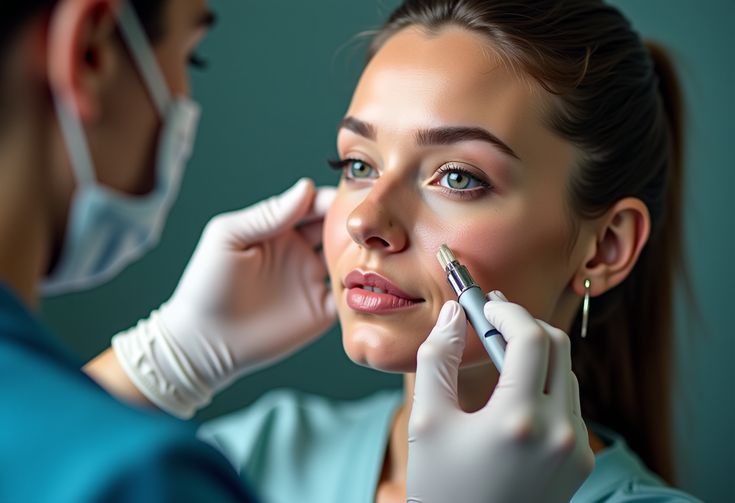
Practitioners use advanced injection techniques supported by detailed anatomical knowledge. This helps minimize risks such as bruising, swelling, and unintended complications while achieving natural-looking results.
Patient Education and Informed Consent
Modern aesthetic medicine emphasizes transparent communication between practitioners and patients.
Understanding Risks and Benefits
Before treatment, patients should receive detailed information regarding:
- Expected outcomes
- Potential risks
- Recovery timelines
- Alternative treatment options
- Post-treatment care requirements
Informed patients are better equipped to make confident healthcare decisions.
Realistic Expectations
Patient education also helps establish realistic expectations. Ethical practitioners prioritize honest discussions regarding achievable results and treatment limitations.
Monitoring and Aftercare
Patient safety extends beyond the procedure itself.
Post-Treatment Follow-Up
Follow-up appointments allow practitioners to monitor healing, evaluate treatment outcomes, and address any concerns that may arise. Ongoing communication contributes significantly to patient safety and satisfaction.
Emergency Preparedness
Qualified aesthetic clinics maintain protocols for managing unexpected complications. Staff are trained to respond promptly and appropriately if adverse reactions occur.
The Role of Evidence-Based Practice
Modern aesthetic medicine relies heavily on scientific research and clinical evidence. Treatments supported by peer-reviewed studies and established medical guidelines help ensure safe and predictable outcomes.
Evidence-based practice enables practitioners to:
- Select appropriate treatments
- Improve patient outcomes
- Reduce complication rates
- Implement the latest safety recommendations
Future Trends in Aesthetic Safety
The future of aesthetic medicine continues to focus on enhanced safety through innovation. Emerging technologies such as artificial intelligence, advanced skin analysis systems, regenerative therapies, and real-time treatment monitoring are expected to further improve patient care.
These developments will allow practitioners to provide increasingly personalized treatments while maintaining the highest safety standards.
At Dr. Mo Clinic, patients receive expert care in urology, men’s health, dermatology, women’s wellness, and aesthetic medicine. Combining advanced technology with a personalized approach, the clinic offers treatments for sexual health, infertility, hormonal balance, skin rejuvenation, anti-aging, and laser procedures. With experienced specialists and a focus on comfort, privacy, and results, Dr. Mo Clinic ensures high-quality, patient-centered care for optimal health and wellbeing in Dubai.