Hair loss is a common concern that can affect people at different stages of life. Changes in hair density, thinning, or increased shedding may occur because of genetics, hormonal changes, nutritional deficiencies, stress, certain medical conditions, medications, or natural aging. While surgical hair transplantation is one option for some individuals, many people are interested in Non-Surgical Hair Restoration Options that do not involve a surgical procedure.
Non-surgical approaches can focus on reducing hair shedding, supporting existing follicles, improving scalp health, or encouraging healthier hair growth. The most suitable option depends on the cause, pattern, severity, and duration of hair loss. A professional evaluation is therefore important before starting treatment.
Understanding Hair Loss
Hair loss can occur in several forms. Some people experience gradual thinning across the scalp, while others develop a receding hairline or distinct patches of hair loss.
The underlying cause can significantly influence the treatment approach. Genetic hair loss may require a different strategy from hair shedding associated with nutritional deficiencies, hormonal changes, scalp conditions, or temporary stress.
Identifying the cause is an important first step because treating the underlying issue may help improve hair health.
Topical Hair Growth Treatments
Topical treatments are among the commonly discussed non-surgical approaches for certain types of hair loss. Depending on the diagnosis, a healthcare professional may recommend a topical medication designed to support hair growth or reduce progression of specific forms of hair thinning.
These treatments generally require consistent use over time, and results can vary between individuals.
It is important to use topical medications according to professional guidance because they may not be suitable for everyone and can cause side effects in some people.
Oral Medications
Certain prescription medications may be used to manage specific forms of hair loss. These medications work through different mechanisms and may help slow hair loss or support regrowth in appropriate patients.
Oral medications are not suitable for everyone. A healthcare professional should review medical history, current medications, potential risks, and individual circumstances before recommending them.
Patients should also understand that hair treatments often require ongoing use to maintain benefits.
Platelet-Rich Plasma Therapy
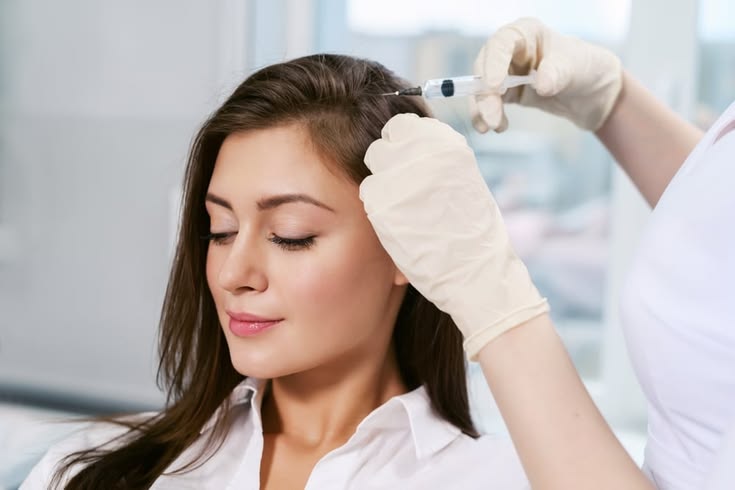
Platelet-rich plasma therapy, often referred to as PRP, is a procedure that uses components of a person’s own blood. A sample is collected and processed to concentrate platelets before being administered into selected areas of the scalp.
PRP is intended to support the local environment around hair follicles. Some studies suggest that it may improve hair density in certain types of hair loss, although outcomes can vary.
The number and frequency of sessions depend on the treatment plan. Professional assessment is necessary to determine whether PRP is appropriate.
Low-Level Light Therapy
Low-level light therapy uses specific wavelengths of light to stimulate the scalp and hair follicles. It is a non-surgical approach that may be used for certain types of hair thinning.
Devices may be available for professional or home use, depending on the product and local regulations. Consistent treatment is generally required, and results may differ between individuals.
A healthcare professional can help determine whether light-based treatment is suitable for a particular type of hair loss.
Scalp Micropigmentation
Scalp micropigmentation is a cosmetic procedure rather than a treatment that directly restores hair growth. It uses specialized pigment application to create the visual appearance of hair follicles on the scalp.
This approach can make thinning areas appear denser and may be used by people with different patterns of hair loss.
Because it changes the appearance rather than stimulating new hair growth, expectations should be discussed carefully with a qualified practitioner.
Microneedling for Hair Loss
Microneedling involves creating controlled microscopic punctures in the skin using a specialized device. It is sometimes used alongside other hair-loss treatments.
The technique is intended to stimulate the scalp’s natural healing response and may improve the delivery or effectiveness of certain topical treatments.
Microneedling should be performed appropriately because improper technique can cause irritation, infection, scarring, or other complications.
Nutritional Support
Nutrition can play a role in maintaining healthy hair. Deficiencies in nutrients such as iron, zinc, vitamin D, or certain vitamins can contribute to hair shedding in some individuals.
However, taking supplements without identifying a deficiency is not always beneficial and may sometimes be harmful.
A healthcare professional can recommend appropriate blood tests when nutritional deficiency is suspected and advise whether dietary changes or supplementation are necessary.
Managing Underlying Health Conditions
Hair loss can sometimes be associated with medical conditions such as thyroid disorders, hormonal changes, scalp diseases, or other health problems.
In these situations, treating the underlying condition may be an important part of managing hair loss.
This is why professional assessment is valuable. Treating hair loss only at the surface level may not address the reason the problem developed.
Hair and Scalp Care
Daily hair and scalp habits can also influence overall hair health. Using gentle hair products, avoiding excessive heat, limiting harsh chemical treatments, and handling wet hair carefully can reduce unnecessary hair damage.
A healthy scalp environment can support existing hair, although basic hair care alone cannot treat every type of hair loss.
Importance of Early Assessment
Seeking professional advice early can be useful when hair loss becomes noticeable. Early evaluation may help identify the cause and provide more treatment options.
A professional may examine the scalp, review medical history, ask about family patterns, and recommend tests when necessary.
Sudden or patchy hair loss, scalp inflammation, pain, scaling, or rapid changes should be assessed rather than treated solely with cosmetic products.
Choosing the Right Non-Surgical Treatment
There is no single non-surgical treatment that works for every type of hair loss. The best option depends on the diagnosis, age, overall health, treatment goals, and expectations.
Some people may benefit from medication, while others may be considered for PRP, light therapy, microneedling, or a combination of approaches.
Treatment should always be based on professional assessment rather than online claims or guaranteed results.
At Dr. Mo Clinic, patients receive expert care in urology, men’s health, dermatology, women’s wellness, and aesthetic medicine. Combining advanced technology with a personalized approach, the clinic offers treatments for sexual health, infertility, hormonal balance, skin rejuvenation, anti-aging, and laser procedures. With experienced specialists and a focus on comfort, privacy, and results, Dr. Mo Clinic ensures high-quality, patient-centered care for optimal health and wellbeing in Dubai.