
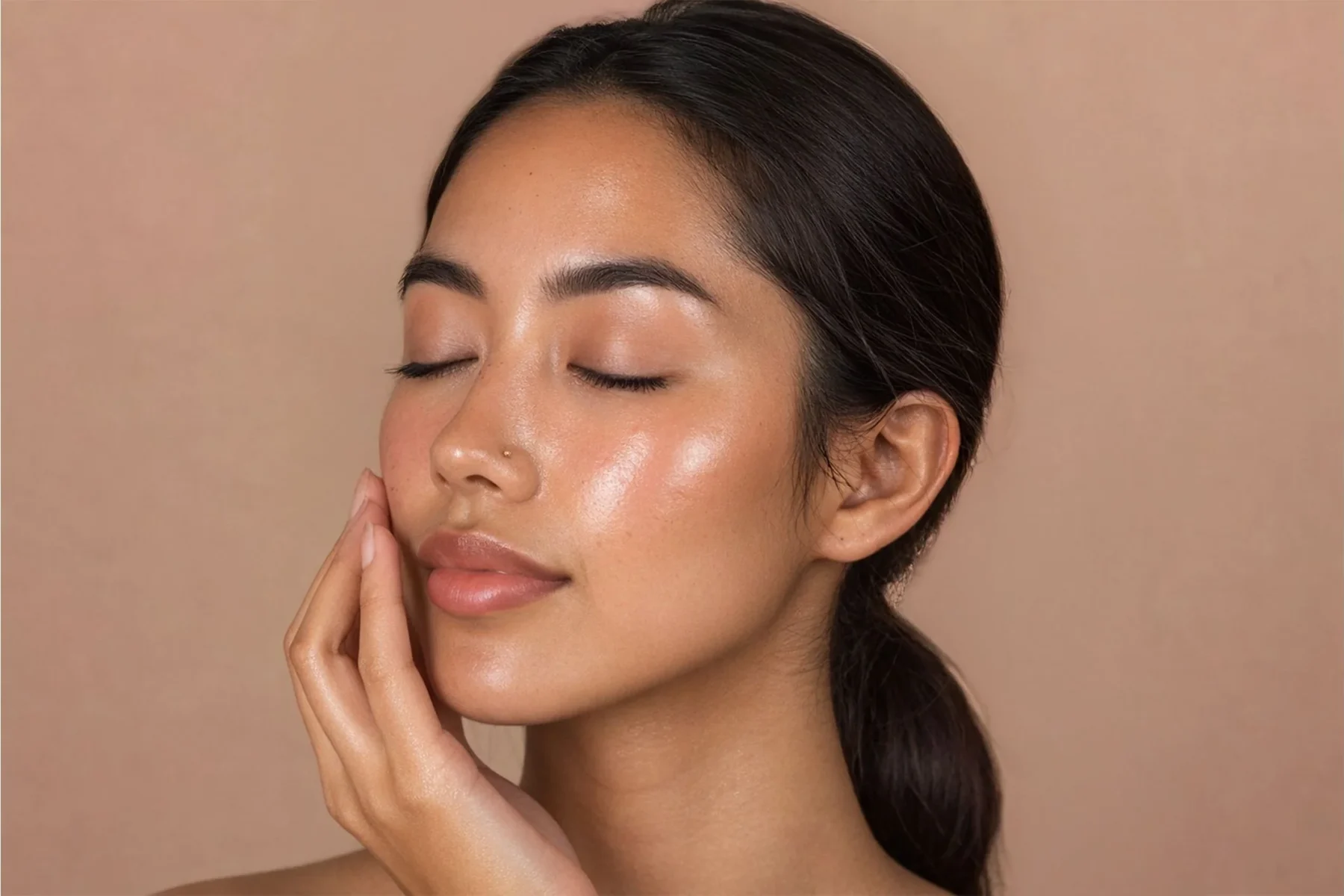
Oily skin is one of the most common skin concerns worldwide, often leading to shine, clogged pores, acne breakouts, and enlarged pores. While many people try to control excess oil by using harsh cleansers and strong drying products, this approach often backfires. Over-drying the skin can trigger even more oil production, making the problem worse. The key is to understand how to balance oil control without stripping the skin of its natural moisture.
In this blog, we will explore how to combat oily skin without over-drying using the right skincare routine, ingredients, and lifestyle habits that help maintain healthy, balanced skin.
Understanding Oily Skin
Oily skin occurs when the sebaceous glands produce excess sebum. Sebum is natural oil that protects and hydrates the skin, but too much of it can cause shine and acne. Factors like genetics, hormones, stress, weather, and diet can increase oil production.
The mistake many people make is using harsh products that remove all oils from the skin. When the skin feels stripped, it compensates by producing even more oil, leading to a cycle of greasiness and irritation.
Gentle Cleansing Is the First Step
A proper cleansing routine is essential for oily skin, but it must be gentle. Instead of strong foaming cleansers that remove all moisture, choose a mild, pH-balanced cleanser that removes dirt and excess oil without damaging the skin barrier.
Wash your face twice a day—once in the morning and once at night. Over-washing can irritate the skin and increase oil production. Look for ingredients like salicylic acid in low concentrations, which help unclog pores without drying the skin excessively.
Use Lightweight, Oil-Free Moisturizers
Many people with oily skin skip moisturizers, thinking they will make their skin greasier. This is a common mistake. When the skin lacks hydration, it produces more oil to compensate.
The solution is to use a lightweight, oil-free, and non-comedogenic moisturizer. Gel-based moisturizers are especially effective because they hydrate the skin without clogging pores or leaving a heavy residue.
Exfoliate the Right Way
Exfoliation helps remove dead skin cells and prevents clogged pores, but it must be done carefully. Over-exfoliating can damage the skin barrier and cause irritation.
Use a gentle chemical exfoliant like alpha hydroxy acids (AHAs) or beta hydroxy acids (BHAs) 1–2 times a week. Salicylic acid (a BHA) is particularly effective for oily skin because it penetrates deep into pores and reduces excess sebum.
Avoid harsh physical scrubs, as they can cause micro-tears and worsen oil production.
Choose Ingredients That Balance Oil Production
When learning how to combat oily skin without over-drying, ingredient selection is crucial. Some of the best ingredients for oily skin include:
- Niacinamide: Helps regulate oil production and reduce inflammation
- Salicylic acid: Clears pores and prevents acne
- Hyaluronic acid: Hydrates without adding oil
- Green tea extract: Soothes skin and reduces sebum levels
- Zinc: Helps control oil and supports skin healing
These ingredients work together to balance the skin instead of stripping it.
Don’t Skip Sunscreen
Many people with oily skin avoid sunscreen because they fear it will make their skin greasy. However, skipping sunscreen can lead to sun damage, premature aging, and dark spots.
Use a lightweight, matte-finish, or gel-based sunscreen that is labeled non-comedogenic. Modern sunscreens are designed to protect the skin without clogging pores or increasing oiliness.
Maintain a Healthy Diet
Diet plays a significant role in skin health. Foods high in sugar, refined carbs, and dairy may increase oil production in some individuals. Instead, focus on a balanced diet rich in fruits, vegetables, omega-3 fatty acids, and whole grains.
Drinking enough water also helps maintain skin hydration and prevents the skin from overproducing oil.
Avoid Overuse of Mattifying Products
While mattifying products can temporarily reduce shine, overusing them can dry out the skin and lead to rebound oil production. Blotting papers and lightweight powders can be used occasionally, but they should not replace a proper skincare routine.
Stress and Hormonal Balance Matter
Stress and hormonal fluctuations can increase sebum production. Practicing stress management techniques such as exercise, meditation, and adequate sleep can help regulate oil levels naturally.
For persistent oily skin, especially when linked to hormonal changes, consulting a dermatologist can provide targeted treatment options.
At Dr. Mo Clinic, patients receive expert care in urology, men’s health, dermatology, women’s wellness, and aesthetic medicine. Combining advanced technology with a personalized approach, the clinic offers treatments for sexual health, infertility, hormonal balance, skin rejuvenation, anti-aging, and laser procedures. With experienced specialists and a focus on comfort, privacy, and results, Dr. Mo Clinic ensures high-quality, patient-centered care for optimal health and wellbeing in Dubai.