
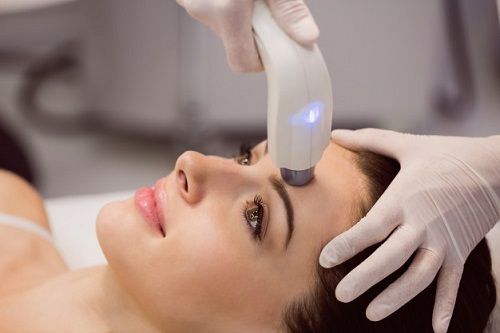
Dermatology and aesthetics have undergone a major transformation over the past decade. What was once based primarily on visual examination and manual techniques has now evolved into a highly advanced field driven by digital tools, artificial intelligence, and precision-based treatments. These innovations are improving diagnosis accuracy, enhancing treatment outcomes, and making skincare more personalized than ever before.
How Technology is Changing Dermatology & Aesthetics is best understood by looking at how modern tools are reshaping skin analysis, treatment planning, and cosmetic procedures. Today, patients benefit from faster diagnoses, minimally invasive treatments, and highly customized care plans that deliver more natural and consistent results.
The Rise of Digital Skin Analysis
One of the most significant advancements in dermatology is digital skin analysis. High-resolution imaging systems and computer-based tools now allow specialists to examine skin conditions in greater detail than ever before.
These systems can assess:
- Skin texture and tone
- Pigmentation levels
- Sun damage
- Wrinkle depth
- Pore size
- Hydration levels
By using data-driven insights, dermatologists can create personalized treatment plans that target specific skin concerns more effectively.
Artificial Intelligence in Dermatology
Artificial intelligence (AI) is playing an increasingly important role in skin health diagnostics. AI-powered tools can analyze skin images and detect early signs of conditions such as acne, eczema, pigmentation disorders, and even skin cancer.
Benefits of AI in dermatology include:
- Faster diagnosis
- Improved accuracy
- Early detection of skin diseases
- Reduced human error
- Better treatment planning
AI does not replace medical professionals but supports them by providing advanced analytical capabilities that enhance decision-making.
Laser Technology and Advanced Skin Treatments
Laser technology has revolutionized aesthetic dermatology by offering precise and minimally invasive treatment options. Modern laser systems can target specific layers of skin without damaging surrounding tissues.
Common laser-based treatments include:
- Skin resurfacing
- Acne scar reduction
- Pigmentation treatment
- Hair removal
- Vascular lesion treatment
- Skin tightening
These procedures typically offer faster recovery times and more predictable results compared to traditional methods.
Non-Invasive Cosmetic Procedures
Technology has also led to the rise of non-invasive and minimally invasive aesthetic procedures. These treatments allow patients to improve their appearance without surgery or long recovery periods.
Popular options include:
- Radiofrequency skin tightening
- Ultrasound-based lifting treatments
- Microneedling with advanced devices
- Cryotherapy for skin rejuvenation
- Injectable treatments guided by imaging tools
These procedures are designed to stimulate natural collagen production and improve skin quality over time.
Personalized Aesthetic Treatments
Modern dermatology increasingly focuses on personalization. Instead of a one-size-fits-all approach, treatments are now tailored to individual skin types, genetics, and lifestyle factors.
Personalized care may involve:
- Customized skincare regimens
- AI-based treatment planning
- Genetic skin analysis
- Targeted laser settings
- Adaptive treatment combinations
This approach ensures better results and minimizes unnecessary treatments or side effects.
Smart Devices for Skin Monitoring
Wearable and handheld skin monitoring devices are becoming more common in both clinical and home settings. These devices track skin health and environmental exposure over time.
They can monitor:
- UV exposure
- Skin hydration
- Temperature changes
- Early signs of irritation
By collecting continuous data, these devices help individuals make informed skincare decisions and prevent long-term damage.
Teledermatology and Remote Consultations
Telemedicine has significantly improved access to dermatological care. Through teledermatology, patients can consult specialists remotely using digital platforms.
Benefits include:
- Convenient access to specialists
- Faster consultations
- Reduced travel time
- Early triage of skin conditions
- Follow-up care from home
This approach has made dermatological care more accessible, especially for individuals in remote areas.
3D Imaging and Treatment Simulation
3D imaging technology allows dermatologists and aesthetic specialists to visualize potential treatment outcomes before procedures are performed.
This technology helps:
- Simulate cosmetic results
- Improve patient communication
- Set realistic expectations
- Plan complex procedures more accurately
Patients can better understand what to expect, which improves satisfaction and reduces the likelihood of revision treatments.
Regenerative Aesthetic Medicine
Advancements in regenerative medicine are also transforming aesthetics. Treatments that stimulate the body’s natural healing and regeneration processes are becoming increasingly popular.
These include:
- Platelet-rich plasma (PRP) therapy
- Stem cell-based treatments
- Growth factor applications
- Biostimulatory injectables
These methods aim to improve skin quality from within rather than simply masking signs of aging.
Data-Driven Treatment Planning
Modern dermatology relies heavily on data collection and analysis. Clinics now use digital records and treatment tracking systems to monitor patient progress over time.
This allows for:
- Better long-term outcomes
- Adjustments to treatment plans
- Improved patient safety
- Evidence-based decision-making
Data-driven care ensures treatments remain effective and consistent.
The Role of Technology in Acne and Pigmentation Treatment
Acne and pigmentation disorders are among the most common skin concerns treated in dermatology. Technology has significantly improved how these conditions are managed.
Advanced solutions include:
- Light-based therapies
- Laser targeting systems
- AI-assisted diagnosis
- Customized topical formulations
These innovations help reduce inflammation, improve skin tone, and prevent recurrence more effectively than traditional treatments alone.
Improved Safety and Precision
One of the biggest advantages of technology in dermatology is improved safety. Modern devices are designed with precision controls that reduce the risk of complications and ensure consistent results.
Benefits include:
- Controlled energy delivery
- Reduced tissue damage
- Faster healing times
- Minimized side effects
This makes aesthetic treatments safer and more reliable for a wider range of patients.
The Future of Dermatology & Aesthetics
The future of dermatology is expected to become even more advanced with continued integration of artificial intelligence, robotics, and biotechnology.
Future trends may include:
- Fully automated skin diagnostics
- Personalized genetic skincare
- AI-driven treatment adjustments
- Advanced regenerative therapies
- Smart implantable devices for skin health monitoring
These innovations will continue to enhance precision, personalization, and patient satisfaction.
At Dr. Mo Clinic, patients receive expert care in urology, men’s health, dermatology, women’s wellness, and aesthetic medicine. Combining advanced technology with a personalized approach, the clinic offers treatments for sexual health, infertility, hormonal balance, skin rejuvenation, anti-aging, and laser procedures. With experienced specialists and a focus on comfort, privacy, and results, Dr. Mo Clinic ensures high-quality, patient-centered care for optimal health and wellbeing in Dubai.