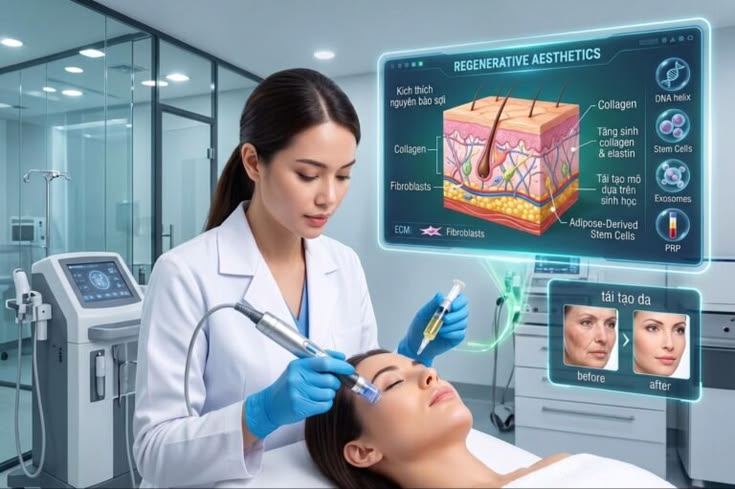
Healthy skin naturally renews itself through continuous cellular turnover and repair. However, factors such as aging, sun exposure, stress, environmental pollution, lifestyle habits, and changes in collagen production can gradually affect skin texture and appearance. Regenerative aesthetic treatments focus on supporting the skin’s natural repair processes rather than simply covering surface imperfections.
Understanding How Regenerative Treatments Support Skin Renewal can help individuals learn how these approaches may improve skin quality, hydration, texture, elasticity, and overall appearance.
Understanding Skin Renewal
Skin renewal is a natural biological process in which older or damaged skin cells are gradually replaced by newer cells. Collagen and elastin also play important roles in maintaining firmness, elasticity, and structural support.
As people age, collagen production and other regenerative processes may slow down. This can contribute to fine lines, reduced elasticity, uneven texture, and a duller appearance.
Regenerative treatments aim to support these natural processes through different techniques and formulations, depending on the specific treatment.
What Are Regenerative Skin Treatments?
Regenerative skin treatments are aesthetic approaches designed to encourage or support the body’s natural repair and renewal mechanisms. Depending on the treatment, they may use biological materials, growth-factor-related components, platelet-derived preparations, or other substances intended to support skin quality.
The exact mechanism varies significantly between treatments. Some may focus on stimulating collagen production, while others may support hydration, tissue repair, or cellular signaling.
Because these treatments differ considerably, professional assessment is important before selecting an approach.
Supporting Collagen Production
Collagen is one of the most important structural proteins in the skin. It helps maintain firmness, strength, and elasticity. With age, collagen production naturally declines.
Some regenerative treatments are designed to stimulate the skin’s own collagen-producing processes. Increased collagen activity may gradually contribute to smoother texture, improved firmness, and a more refreshed appearance.
The results are usually gradual rather than immediate because collagen remodeling takes time.
Improving Skin Texture
Uneven skin texture can result from aging, acne marks, environmental exposure, dehydration, or reduced collagen support. Certain regenerative approaches may help improve the appearance of rough or uneven skin by encouraging natural repair processes.
Depending on the treatment, improvements may develop progressively as the skin undergoes renewal and remodeling.
Supporting Skin Elasticity
Elasticity allows skin to stretch and return toward its original shape. Reduced elastin and collagen production can contribute to skin laxity over time.
Some regenerative treatments aim to support the biological processes involved in maintaining skin structure. While these approaches cannot completely stop natural aging, they may contribute to healthier-looking and more resilient skin when appropriately selected.
Regenerative Injectable Treatments
Certain regenerative approaches involve injections that deliver a treatment material into targeted areas of the skin. Platelet-based treatments, for example, use components derived from the patient’s own blood and are used in some aesthetic and regenerative applications.
Other injectable treatments may use different formulations intended to support skin quality or hydration. The choice depends on the patient’s skin condition, treatment goals, medical history, and the professional’s assessment.
Injectable treatments should always be performed by appropriately qualified professionals.
Supporting Skin Hydration
Adequate hydration contributes to a smoother and more comfortable skin appearance. Some treatments categorized as regenerative or skin-enhancing may also support hydration and improve the appearance of fine lines associated with dryness.
However, injectable hydration treatments and regenerative treatments are not necessarily the same. Their mechanisms, ingredients, and intended outcomes can differ, so treatment selection should be based on individual needs.
Addressing Signs of Skin Aging
Regenerative approaches may be considered for concerns such as fine lines, uneven texture, reduced firmness, dullness, and certain signs of photoaging.
Rather than attempting to create an immediate dramatic change, many regenerative treatments focus on gradual improvements in skin quality. This can make them appealing to individuals seeking a more natural-looking progression in their appearance.
Importance of Personalized Treatment Planning
There is no single regenerative treatment suitable for everyone. Skin type, age, degree of sun damage, previous procedures, medical history, medications, and individual expectations can all influence treatment decisions.
A professional assessment can help determine whether regenerative treatment is appropriate and which approach may best address the specific concern.
Recovery and Results
Recovery depends on the specific regenerative treatment used. Some procedures may involve mild redness, swelling, tenderness, or temporary sensitivity, while others may require more downtime.
Results may also appear gradually. Collagen remodeling and other biological processes can take several weeks or longer, and multiple treatment sessions may sometimes be recommended.
Patients should follow all aftercare instructions and protect the skin from excessive sun exposure during recovery.
Combining Regenerative Treatments With Good Skincare
Professional regenerative treatments should complement, rather than replace, a consistent skincare routine. Gentle cleansing, regular moisturizing, broad-spectrum sunscreen, adequate hydration, balanced nutrition, and sufficient sleep can all support overall skin health.
Avoiding excessive sun exposure and following professional recommendations can also help maintain treatment results.
Safety and Professional Care
Although regenerative treatments may offer aesthetic benefits, they are not risk-free. Injectable and procedure-based treatments can have side effects or complications if performed incorrectly or on unsuitable patients.
Patients should discuss allergies, medications, medical conditions, previous procedures, pregnancy or breastfeeding, and active skin problems with their healthcare provider before treatment.
Choosing a qualified and experienced professional is an important part of achieving safe and appropriate care.
At Dr. Mo Clinic, patients receive expert care in urology, men’s health, dermatology, women’s wellness, and aesthetic medicine. Combining advanced technology with a personalized approach, the clinic offers treatments for sexual health, infertility, hormonal balance, skin rejuvenation, anti-aging, and laser procedures. With experienced specialists and a focus on comfort, privacy, and results, Dr. Mo Clinic ensures high-quality, patient-centered care for optimal health and wellbeing in Dubai.