
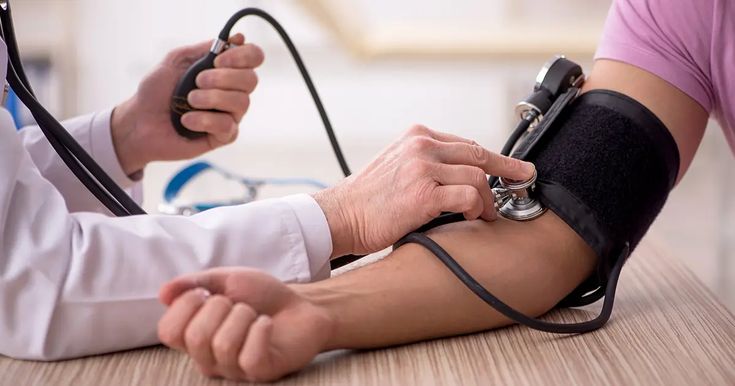
Men’s health is often influenced by lifestyle choices, genetics, and environmental factors, but one of the most powerful tools for maintaining long-term wellness is preventive screening. Many serious health conditions develop silently in their early stages, showing little or no symptoms until they become more advanced. This is where routine health screenings play a critical role.
How Preventive Screenings Protect Men’s Health lies in early detection, timely intervention, and the ability to reduce the risk of complications through proactive care. Regular screenings help identify potential health issues before they become severe, improving treatment outcomes and supporting longer, healthier lives.
What Are Preventive Health Screenings?
Preventive health screenings are medical tests performed on individuals who may not have any symptoms of illness. These tests are designed to detect early signs of disease, assess risk factors, and monitor overall health status.
Screenings may include:
- Blood pressure checks
- Blood sugar tests
- Cholesterol screening
- Cancer screenings
- Body mass index (BMI) measurement
- Liver and kidney function tests
- Prostate health evaluations
- Heart health assessments
By identifying risks early, healthcare providers can recommend lifestyle changes or treatments that prevent disease progression.
Why Preventive Screenings Are Important for Men
Men are statistically more likely to delay medical check-ups and ignore early symptoms of illness. This can lead to late diagnosis of conditions that could have been managed more effectively if detected earlier.
Preventive screenings are important because they:
- Detect diseases at an early stage
- Identify risk factors before symptoms appear
- Reduce the likelihood of severe complications
- Improve long-term treatment success
- Support healthier lifestyle choices
- Increase life expectancy
Early action often leads to simpler, more effective treatment options.
Heart Disease Screening and Prevention
Heart disease is one of the leading health risks for men worldwide. Many heart conditions develop gradually and may not show obvious symptoms until significant damage has occurred.
Important screenings include:
- Blood pressure monitoring
- Cholesterol testing
- Electrocardiogram (ECG)
- Blood sugar testing
These tests help identify risk factors such as hypertension, high cholesterol, and diabetes, all of which contribute to heart disease. Early detection allows for lifestyle changes and medical treatment that significantly reduce risk.
Diabetes Screening
Type 2 diabetes often develops slowly and can go unnoticed for years. Routine blood sugar testing helps identify elevated glucose levels early.
Early detection of diabetes risk allows individuals to:
- Improve diet and nutrition
- Increase physical activity
- Manage weight effectively
- Begin early treatment if needed
Proper management of blood sugar levels helps prevent complications affecting the heart, kidneys, eyes, and nerves.
Cancer Screenings for Men
Certain cancers are more common in men and can often be treated successfully when detected early.
Common screenings include:
Prostate Cancer Screening
Prostate health checks may include blood tests and physical examinations to detect abnormalities early.
Colorectal Cancer Screening
Screening tests such as stool tests or colonoscopy help detect early signs of colon and rectal cancer.
Skin Cancer Screening
Regular skin checks help identify suspicious moles or lesions that may require further evaluation.
Early detection of cancer significantly improves treatment outcomes and survival rates.
Blood Pressure and Cholesterol Monitoring
High blood pressure and elevated cholesterol levels are often called “silent conditions” because they usually have no noticeable symptoms.
Regular monitoring helps:
- Prevent heart attacks and strokes
- Identify cardiovascular risk early
- Guide dietary and lifestyle changes
- Support long-term heart health
Managing these factors is one of the most effective ways to protect overall health.
Liver and Kidney Function Tests
The liver and kidneys play essential roles in detoxification, metabolism, and fluid balance. Routine testing can detect early signs of dysfunction caused by lifestyle factors, infections, or chronic conditions.
Early identification allows for:
- Lifestyle modifications
- Medication adjustments
- Prevention of further organ damage
Mental Health and Preventive Care
Preventive health is not limited to physical conditions. Mental health screening is equally important for overall well-being.
Screenings may help identify:
- Stress-related conditions
- Anxiety
- Depression
- Sleep disorders
Early support and treatment can significantly improve quality of life and emotional well-being.
The Role of Lifestyle in Prevention
Preventive screenings work best when combined with a healthy lifestyle. Daily habits have a major impact on long-term health outcomes.
Healthy habits include:
- Eating a balanced diet
- Exercising regularly
- Maintaining a healthy weight
- Avoiding smoking
- Limiting alcohol intake
- Managing stress
- Getting adequate sleep
These habits reduce the risk of chronic diseases and support overall wellness.
How Often Should Men Get Screened?
Screening frequency depends on age, family history, and individual risk factors. In general:
- Younger adults may require basic screenings every 1–2 years
- Adults over 40 may need more frequent monitoring
- High-risk individuals may require earlier and more regular testing
A healthcare professional can recommend a personalized screening schedule.
Overcoming Barriers to Preventive Care
Many men avoid regular check-ups due to busy schedules, lack of symptoms, or fear of diagnosis. However, delaying screenings can lead to more serious health problems later.
Overcoming these barriers involves:
- Prioritizing health appointments
- Understanding the value of early detection
- Scheduling regular check-ups
- Seeking trusted healthcare guidance
Preventive care is a proactive step toward long-term health rather than a response to illness.
Benefits of Preventive Screenings
Routine health screenings offer numerous long-term benefits, including:
- Early disease detection
- Reduced healthcare costs
- Better treatment outcomes
- Improved quality of life
- Longer life expectancy
- Reduced risk of complications
- Peace of mind
These benefits highlight the importance of making preventive care a regular part of life.
At Dr. Mo Clinic, patients receive expert care in urology, men’s health, dermatology, women’s wellness, and aesthetic medicine. Combining advanced technology with a personalized approach, the clinic offers treatments for sexual health, infertility, hormonal balance, skin rejuvenation, anti-aging, and laser procedures. With experienced specialists and a focus on comfort, privacy, and results, Dr. Mo Clinic ensures high-quality, patient-centered care for optimal health and wellbeing in Dubai.