
Good nutrition is the foundation of a child’s physical growth, brain development, immunity, and overall well-being. During childhood, the body and mind grow rapidly, making it essential to provide balanced meals that supply all the necessary vitamins, minerals, proteins, and healthy fats. Poor eating habits at an early age can lead to deficiencies, low energy, weak immunity, and long-term health concerns.
Healthy Eating Tips for Growing Kids focuses on building strong nutritional habits that support proper development, improve concentration, and encourage lifelong healthy eating patterns. By making small but consistent changes in daily meals, parents can ensure children receive the nourishment they need to thrive.
Why Nutrition Matters for Growing Kids
Children require more nutrients relative to their body size compared to adults because their bodies are constantly developing. Proper nutrition supports:
- Physical growth and bone development
- Brain function and learning ability
- Strong immune system
- Energy levels and activity
- Healthy weight management
A balanced diet during childhood sets the foundation for long-term health.
Essential Nutrients for Kids
A healthy diet for children should include a wide range of nutrients.
Proteins
Protein supports muscle growth and tissue repair.
Sources include:
- Eggs
- Chicken
- Fish
- Lentils
- Beans
- Dairy products
Calcium
Calcium is essential for strong bones and teeth.
Sources include:
- Milk
- Yogurt
- Cheese
- Leafy greens
Iron
Iron supports brain development and prevents fatigue.
Sources include:
- Red meat
- Spinach
- Beans
- Fortified cereals
Healthy Fats
Healthy fats support brain development and energy.
Sources include:
- Nuts
- Seeds
- Avocado
- Olive oil
- Fish
Vitamins and Minerals
Important vitamins include:
- Vitamin A (vision and immunity)
- Vitamin C (immunity and healing)
- Vitamin D (bone health)
- B-complex vitamins (energy and brain function)
Balanced Diet for Kids
A balanced diet includes all major food groups in the right proportions:
- Fruits and vegetables
- Whole grains
- Protein-rich foods
- Dairy or alternatives
- Healthy fats
Encouraging variety ensures children receive all necessary nutrients.
Healthy Breakfast Ideas
Breakfast is essential for energy and concentration during school hours.
Healthy options include:
- Oatmeal with fruits
- Whole grain toast with eggs
- Yogurt with nuts and berries
- Vegetable paratha or idli
- Smoothies with milk and fruits
A nutritious breakfast improves focus and learning ability.
Healthy Lunch Ideas
Lunch should be balanced and filling to sustain energy throughout the day.
Examples include:
- Rice with vegetables and dal
- Whole wheat roti with chicken or paneer
- Quinoa salad with vegetables
- Mixed vegetable curry with chapati
Including vegetables ensures fiber and vitamins.
Healthy Snack Options
Healthy snacks prevent overeating junk food.
Better choices include:
- Fresh fruits
- Nuts and seeds
- Yogurt
- Boiled eggs
- Homemade sandwiches
- Vegetable sticks with dip
Avoid processed and sugary snacks whenever possible.
Healthy Dinner Ideas
Dinner should be light but nutritious to support digestion and restful sleep.
Options include:
- Vegetable soup with bread
- Grilled chicken with vegetables
- Khichdi with vegetables
- Whole wheat roti with dal
Avoid heavy, oily meals at night.
Encouraging Healthy Eating Habits
Children often develop eating habits early in life. Positive habits include:
- Eating meals at regular times
- Sitting together for family meals
- Chewing food properly
- Eating slowly and mindfully
- Avoiding distractions like TV during meals
These habits promote better digestion and awareness of hunger cues.
Limiting Junk Food and Sugar
Excess sugar and processed foods can negatively affect children’s health.
Risks include:
- Weight gain
- Poor concentration
- Tooth decay
- Low energy levels
Healthy alternatives should always be encouraged over fast food and sugary snacks.
Hydration for Kids
Water is essential for digestion, energy, and overall health.
Tips:
- Encourage regular water intake
- Offer fresh fruit juices occasionally
- Avoid sugary soft drinks
- Provide water during meals and playtime
Proper hydration improves concentration and physical performance.
Making Healthy Food Fun
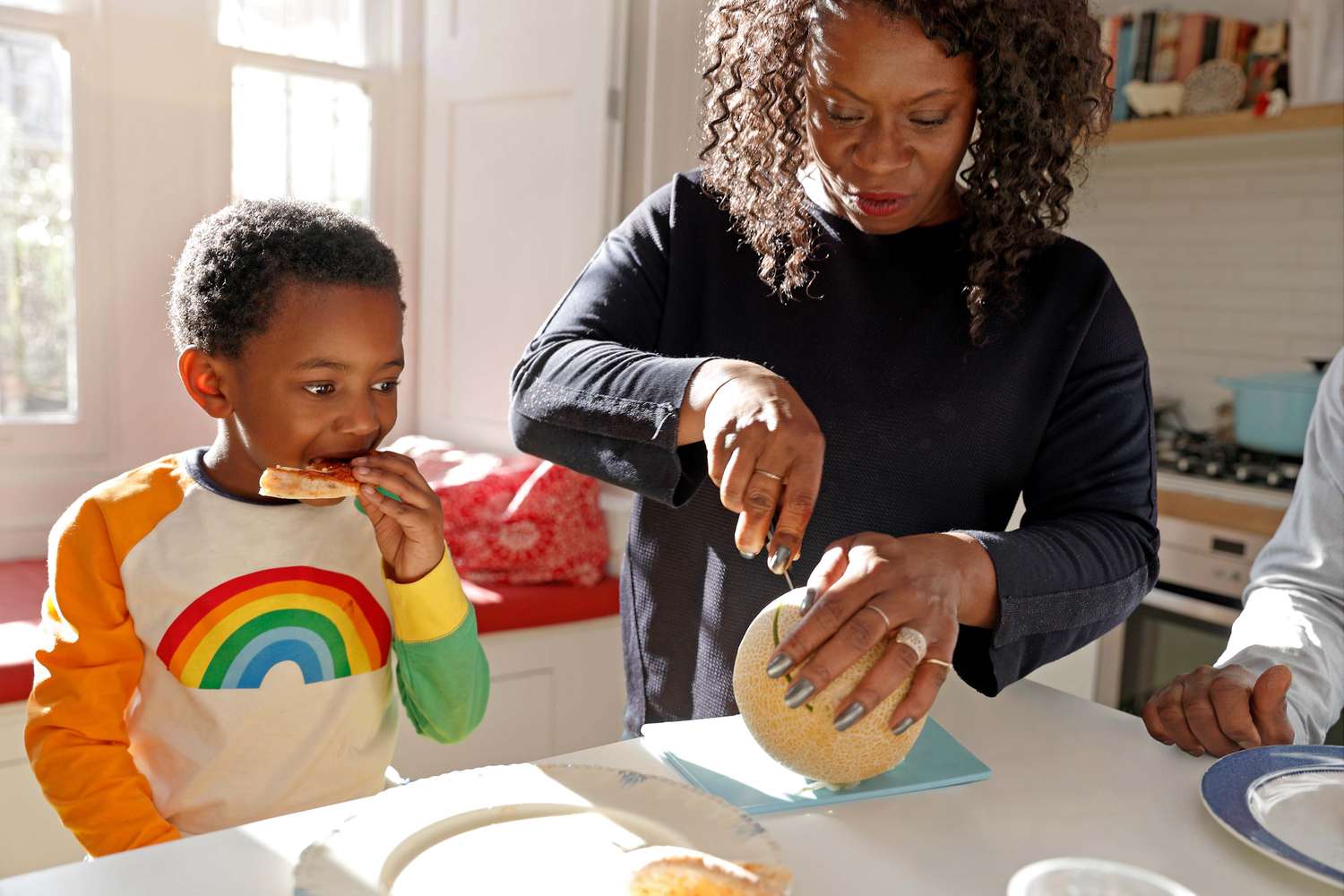
Children are more likely to eat healthy food when it is visually appealing and enjoyable.
Ideas include:
- Colorful fruit salads
- Fun-shaped sandwiches
- Creative plating styles
- Involving kids in meal preparation
Making food fun encourages better acceptance of healthy options.
Dealing With Picky Eaters
Many children go through phases of picky eating.
Helpful strategies:
- Introduce new foods gradually
- Avoid forcing meals
- Offer small portions
- Be patient and consistent
- Lead by example
Repeated exposure often increases acceptance over time.
Importance of Family Eating Habits
Children often copy adult behavior. Family meals help reinforce healthy habits.
Benefits include:
- Better nutrition awareness
- Stronger family bonding
- Improved eating behavior
- Reduced reliance on junk food
Parents play a key role in shaping dietary habits.
Physical Activity and Nutrition
Healthy eating should be combined with regular physical activity.
Activities include:
- Outdoor play
- Sports
- Cycling
- Walking
Active lifestyles support healthy growth and metabolism.
At Dr. Mo Clinic, patients receive expert care in urology, men’s health, dermatology, women’s wellness, and aesthetic medicine. Combining advanced technology with a personalized approach, the clinic offers treatments for sexual health, infertility, hormonal balance, skin rejuvenation, anti-aging, and laser procedures. With experienced specialists and a focus on comfort, privacy, and results, Dr. Mo Clinic ensures high-quality, patient-centered care for optimal health and wellbeing in Dubai.