Healthy-looking skin depends on adequate hydration, a strong skin barrier, and balanced moisture levels. While moisturizers, serums, and good skincare routines can support the outer layers of the skin, some aesthetic treatments are designed to deliver hydrating ingredients more directly into the skin. Injectable skin hydration treatments have become increasingly popular for people looking to improve skin smoothness, softness, radiance, and overall quality.
Understanding the Complete Guide to Injectable Skin Hydration can help individuals learn how these treatments work, what they may improve, and why professional assessment is important before treatment.
What Is Injectable Skin Hydration?
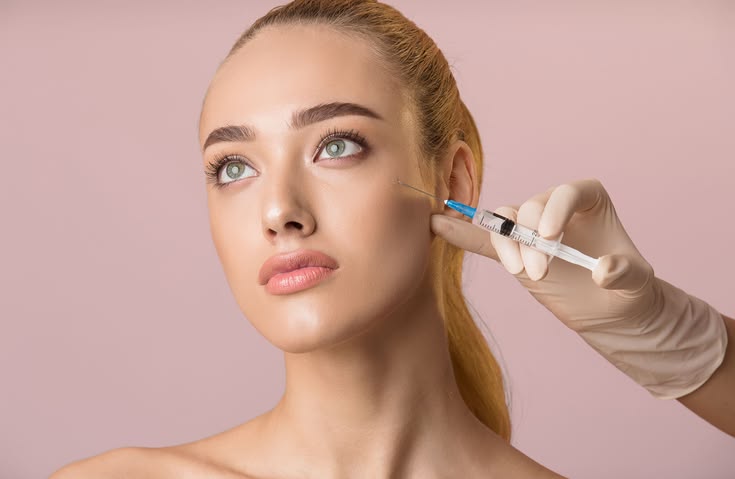
Injectable skin hydration refers to aesthetic treatments in which carefully selected substances are introduced into the skin using fine needles or other injection techniques. Depending on the treatment, formulations may contain hyaluronic acid or other skin-supporting ingredients.
Unlike traditional dermal fillers, which are primarily designed to add volume or enhance specific facial contours, hydration-focused injectables are generally intended to improve skin quality rather than create significant structural volume.
The specific product and technique used should depend on the individual’s skin condition, treatment goals, and professional assessment.
How Injectable Hydration Treatments Work
Many injectable hydration treatments use ingredients that can attract or retain water within the skin. Hyaluronic acid is particularly well known for its water-binding properties and is naturally present in the body.
When appropriately administered, hydration-focused treatments may help improve the skin’s moisture content and overall appearance. Some products may also support skin quality by influencing hydration and the skin’s natural regenerative processes.
Results can vary depending on the product, injection technique, skin condition, and individual response.
Common Areas for Treatment
Injectable skin hydration may be considered for several areas where skin appears dry, dull, rough, or less elastic. Common treatment areas can include the face, neck, décolletage, and sometimes the hands.
The treatment area should always be assessed by a qualified professional. Different parts of the body have different skin characteristics and may require different techniques or products.
Potential Benefits
One of the main advantages of injectable skin hydration is its focus on overall skin quality. Depending on the treatment used, potential benefits may include improved skin hydration, smoother texture, enhanced radiance, and a fresher appearance.
Some individuals may also notice improvements in the appearance of fine lines associated with dehydration and mild skin laxity. However, these treatments are not a substitute for procedures specifically designed to provide significant lifting or facial volume.
Injectable Hydration Compared With Dermal Fillers
Although both treatments may involve injectable products, their purposes can be different. Traditional dermal fillers are commonly used to restore or add volume, define facial contours, soften deeper folds, or enhance particular facial features.
Injectable hydration treatments generally focus more on improving skin quality, hydration, and texture. The appropriate option depends on the patient’s concerns and desired outcome.
A professional consultation can help determine whether hydration-focused injections, dermal fillers, topical skincare, or another treatment would be more suitable.
Treatment Process
Before treatment, a qualified aesthetic professional should assess the skin and discuss medical history, current medications, allergies, previous aesthetic procedures, and treatment expectations.
During the procedure, a suitable product is injected into targeted areas using a carefully planned technique. The number of injections and treatment sessions can vary according to the product and individual needs.
The procedure may cause temporary sensations such as mild discomfort, pinching, redness, or swelling. A qualified practitioner should explain what to expect before treatment.
Recovery and Aftercare
Injectable skin hydration treatments typically involve relatively little downtime, but temporary redness, swelling, tenderness, or small bumps can occur at injection points.
Patients should follow the specific aftercare instructions provided by their practitioner. Depending on the treatment, this may include avoiding excessive heat, strenuous exercise, alcohol, or unnecessary pressure on treated areas for a short period.
It is also important to protect the skin from excessive sun exposure and maintain a gentle skincare routine during the recovery period.
When Results Become Noticeable
Results vary depending on the product and individual response. Some people may notice an improvement in skin hydration and radiance relatively soon after treatment, while other changes may develop gradually.
Some treatments are performed as a series of sessions rather than a single appointment. A professional can recommend an appropriate treatment schedule based on skin condition and goals.
Safety and Professional Assessment
As with any injectable procedure, skin hydration treatments should be performed by a qualified and appropriately trained medical professional. Injecting substances into the skin requires knowledge of facial anatomy, product characteristics, injection techniques, and potential complications.
Patients should disclose relevant medical information and ask about the product being used, expected results, possible side effects, and aftercare.
Choosing an appropriately qualified provider is an important part of reducing avoidable risks.
Who May Consider Injectable Skin Hydration?
Adults experiencing concerns such as dehydrated-looking skin, dullness, uneven texture, or reduced skin smoothness may consider hydration-focused injectable treatments. However, suitability cannot be determined by age or appearance alone.
Pregnancy, breastfeeding, certain medical conditions, active skin infections, allergies, medications, and previous aesthetic treatments may affect whether a procedure is appropriate. A professional assessment should always be completed before treatment.
Maintaining Healthy, Hydrated Skin
Injectable treatments work best as part of a broader skincare and lifestyle routine. Drinking adequate fluids, using appropriate moisturizers, protecting the skin from ultraviolet exposure, eating a balanced diet, getting sufficient sleep, and following a suitable skincare routine can all support skin health.
Professional treatments should complement, rather than replace, everyday skin protection and care.
At Dr. Mo Clinic, patients receive expert care in urology, men’s health, dermatology, women’s wellness, and aesthetic medicine. Combining advanced technology with a personalized approach, the clinic offers treatments for sexual health, infertility, hormonal balance, skin rejuvenation, anti-aging, and laser procedures. With experienced specialists and a focus on comfort, privacy, and results, Dr. Mo Clinic ensures high-quality, patient-centered care for optimal health and wellbeing in Dubai.