
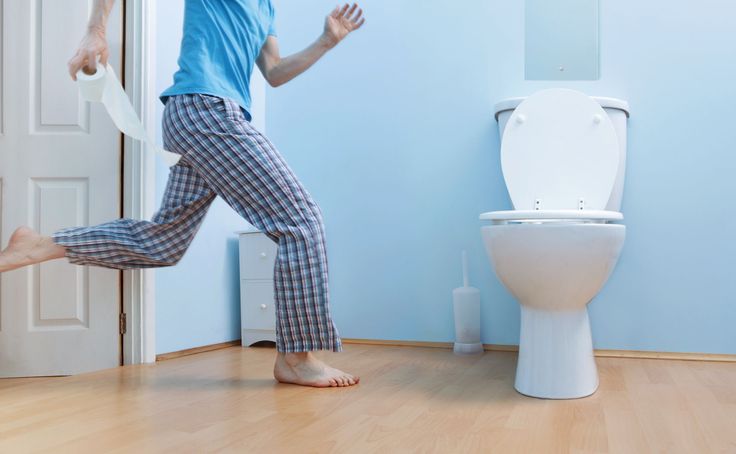
Urinary tract issues are a common health concern among men, particularly as they grow older. While often considered a normal part of aging, persistent urinary problems can significantly affect quality of life and may indicate underlying medical conditions. Understanding the causes, symptoms, and available solutions is essential for men who want to maintain urinary health and overall well-being.
Common Causes of Urinary Tract Issues in Men
Several factors can contribute to urinary tract issues in men. Awareness of these causes can help with early detection and treatment.
1. Enlarged Prostate (Benign Prostatic Hyperplasia – BPH)
One of the leading causes of urinary problems in men over 50 is an enlarged prostate. The prostate gland surrounds the urethra, and when it grows in size, it can compress the urethra, restricting urine flow. This condition, known as benign prostatic hyperplasia (BPH), often leads to symptoms such as difficulty starting urination, weak urine flow, frequent nighttime urination, and the sensation of incomplete bladder emptying.
2. Urinary Tract Infections (UTIs)
Although more common in women, urinary tract infections can occur in men. UTIs are typically caused by bacteria entering the urinary system and may result in painful or burning urination, cloudy or foul-smelling urine, and frequent urges to urinate. Men who experience recurrent UTIs should consult a healthcare provider to rule out underlying conditions, such as an enlarged prostate or kidney stones.
3. Kidney Stones
Kidney stones are hard deposits of minerals and salts that form in the kidneys and can travel through the urinary tract. They can cause severe pain, blood in the urine, nausea, and difficulty urinating. Factors contributing to kidney stones include dehydration, high salt intake, certain medical conditions, and genetic predisposition. Timely medical intervention is crucial to prevent obstruction and potential kidney damage.
4. Bladder Issues
Bladder problems, such as overactive bladder or bladder inflammation (cystitis), can also affect men. Overactive bladder causes sudden, uncontrollable urges to urinate, frequent trips to the bathroom, and sometimes incontinence. Cystitis, often caused by bacterial infection or irritation, can result in pain, pressure in the lower abdomen, and increased urination frequency.
5. Prostate Infection (Prostatitis)
Prostatitis refers to inflammation or infection of the prostate gland. It can be acute or chronic and often leads to painful urination, pelvic discomfort, fever, and flu-like symptoms. The condition may be caused by bacterial infection, stress, or autoimmune reactions. Prostatitis requires prompt medical attention, as untreated infections can lead to complications.
6. Other Contributing Factors
Several lifestyle and health-related factors may worsen urinary health, including diabetes, nerve damage, certain medications, high alcohol or caffeine intake, and sedentary lifestyles. Understanding and addressing these factors can help prevent urinary issues.
Recognizing the Symptoms
Men should monitor their urinary health and be aware of warning signs. Common symptoms include:
- Frequent urination, especially at night (nocturia)
- Difficulty starting or stopping urination
- Weak or interrupted urine flow
- Pain or burning sensation during urination
- Blood in urine (hematuria)
- Pelvic or lower back pain
- Sudden urgency to urinate
Early recognition of these symptoms is crucial, as timely intervention can prevent complications such as kidney damage or chronic infections.
Effective Solutions for Urinary Tract Issues
Addressing urinary problems in men typically involves a combination of lifestyle changes, medications, and, in some cases, medical procedures.
1. Lifestyle Modifications
Simple adjustments can have a significant impact on urinary health:
- Hydration: Drinking sufficient water helps flush bacteria from the urinary tract and reduces the risk of kidney stones.
- Diet: Reducing salt, caffeine, and alcohol intake can relieve bladder irritation and improve urinary function.
- Exercise: Regular physical activity supports overall health, improves blood circulation, and reduces the risk of obesity-related urinary issues.
- Bladder Training: Scheduled bathroom visits can help manage urinary urgency and frequency.
2. Medications
Depending on the condition, medications may be prescribed by a healthcare professional:
- Alpha-blockers relax the muscles in the prostate and bladder neck, improving urine flow in men with BPH.
- Antibiotics treat bacterial infections such as UTIs or prostatitis.
- Anti-inflammatory drugs can reduce discomfort caused by prostate inflammation or bladder irritation.
3. Minimally Invasive and Surgical Procedures
For severe or persistent conditions, medical procedures may be necessary:
- Transurethral resection of the prostate (TURP): Removes excess prostate tissue to relieve urinary obstruction.
- Lithotripsy: Breaks kidney stones into smaller pieces that can be passed naturally.
- Catheterization: Provides temporary relief for urinary retention or blockages.
4. Preventive Care
Regular check-ups with a urologist are essential for maintaining urinary health. Preventive care includes:
- Prostate health screening
- Urinary tract infection monitoring
- Kidney function evaluation
- Early detection of urinary tract or prostate disorders
When to Seek Medical Attention
Men should consult a doctor immediately if they experience:
- Severe or persistent pain while urinating
- Blood in the urine
- Fever along with urinary symptoms
- Sudden changes in urination patterns
Prompt diagnosis and treatment can prevent long-term complications and improve overall quality of life.
Urinary tract issues in men are common but manageable. By understanding the causes, recognizing symptoms early, and adopting effective lifestyle changes and medical interventions, men can maintain healthy urinary function and prevent complications. Regular check-ups, a balanced diet, adequate hydration, and timely medical care are key to ensuring long-term urinary health. Taking proactive steps today can help men enjoy a healthier, more comfortable future.
