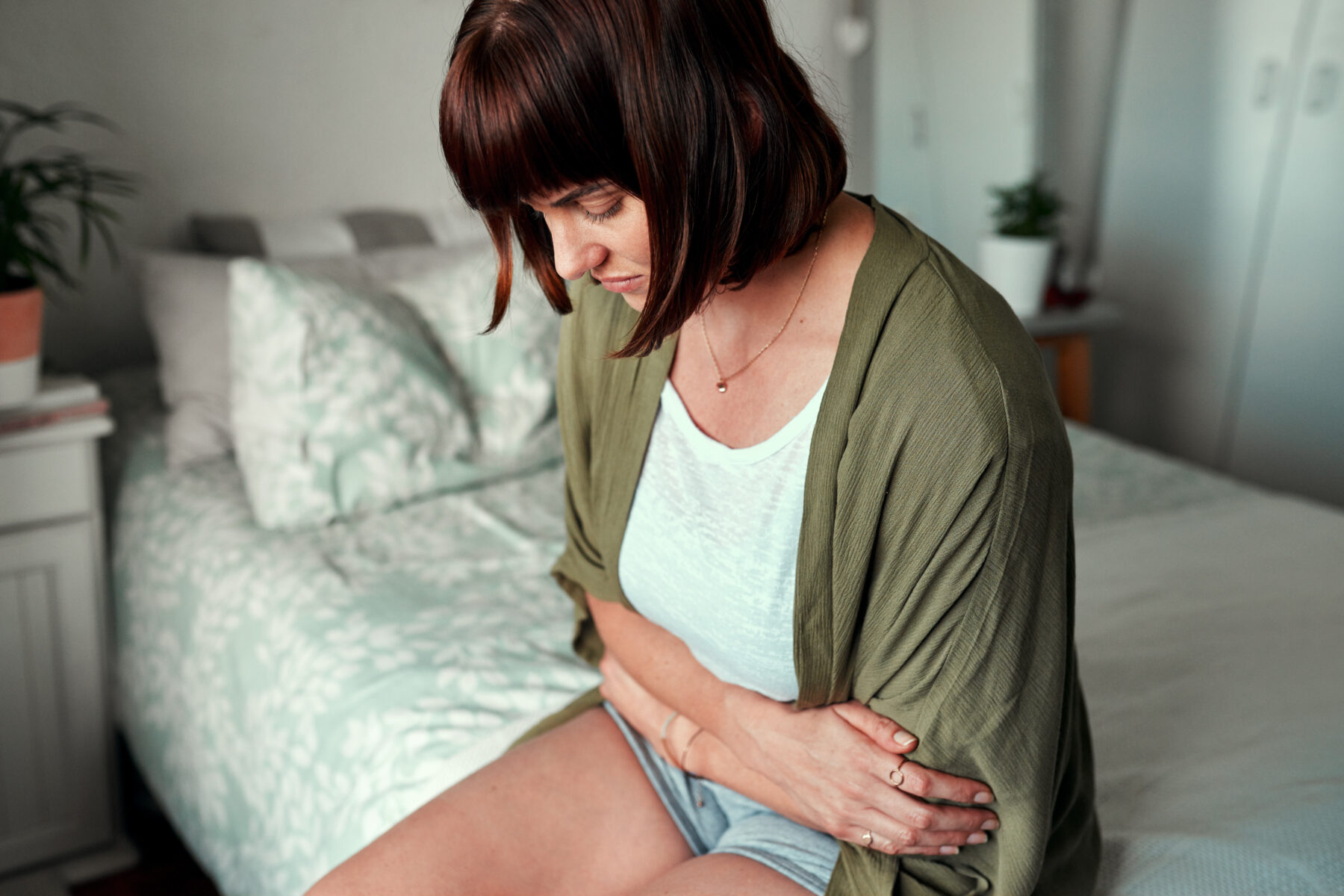
Menstrual health is a vital part of overall well-being, yet it is often surrounded by silence or discomfort. For many individuals, menstruation can bring physical pain, emotional changes, and disruptions to daily life. While every menstrual cycle is unique, understanding your body and adopting healthy habits can make a significant difference in managing symptoms and reducing discomfort.
With the right combination of lifestyle choices, self-care practices, and awareness, menstrual health can be managed more comfortably and confidently.
Understanding Menstrual Health
The menstrual cycle is a natural biological process that prepares the body for pregnancy. Hormonal changes throughout the cycle influence not only bleeding but also energy levels, mood, digestion, and pain sensitivity. Common menstrual symptoms include cramps, bloating, fatigue, headaches, breast tenderness, and mood changes.
While mild discomfort is common, severe or persistent pain is not something that should be ignored. Listening to your body and understanding what is normal for you is the first step toward better menstrual health.
Tips for Reducing Menstrual Discomfort
1. Maintain a Balanced and Nourishing Diet
What you eat plays an important role in how your body responds during your period.
- Increase iron-rich foods such as leafy greens, lentils, beans, and nuts to support energy levels.
- Consume magnesium-rich foods like bananas, dark chocolate, and seeds to help relax muscles and reduce cramps.
- Reduce salty and processed foods to minimize bloating and water retention.
- Stay hydrated, as drinking enough water can help reduce bloating and fatigue.
A balanced diet supports hormone regulation and overall comfort throughout the cycle.
2. Stay Physically Active
Gentle physical activity may feel challenging during menstruation, but movement can significantly reduce discomfort.
- Light exercises such as walking, stretching, yoga, or swimming improve blood circulation.
- Physical activity releases endorphins, the body’s natural pain relievers.
- Regular exercise throughout the month can reduce the intensity of cramps over time.
The key is listening to your body and choosing movement that feels supportive rather than exhausting.
3. Use Heat Therapy for Pain Relief
Applying heat to the lower abdomen or lower back is a simple and effective way to relieve menstrual cramps.
- Heating pads, hot water bottles, or warm baths help relax uterine muscles.
- Heat increases blood flow and reduces tension, easing pain naturally.
This method is especially helpful during the first few days of the period when cramps are strongest.
4. Prioritize Rest and Quality Sleep
Fatigue is a common menstrual symptom due to hormonal shifts and blood loss.
- Aim for consistent, restful sleep to support hormone balance.
- Short naps can help restore energy during low-energy days.
- Reducing screen time before bed and maintaining a calming bedtime routine can improve sleep quality.
Rest is not a luxury—it is an essential part of menstrual self-care.
5. Manage Stress Effectively
Stress can worsen menstrual symptoms, including cramps, headaches, and mood changes.
- Practice relaxation techniques such as deep breathing, meditation, or mindfulness.
- Journaling or gentle stretching can help release emotional tension.
- Making time for activities you enjoy can positively affect both mental and physical comfort.
Reducing stress supports hormonal balance and makes menstrual cycles more manageable.
6. Track Your Menstrual Cycle
Keeping track of your cycle helps you anticipate symptoms and prepare for them in advance.
- Use a journal or cycle-tracking app to note flow, pain levels, mood changes, and energy.
- Identifying patterns can help you adjust diet, exercise, and work schedules accordingly.
- Tracking also helps identify irregularities that may need medical attention.
Awareness empowers better self-care and communication with healthcare providers.
- Choose Comfortable Menstrual Products
Using menstrual products that suit your body and lifestyle can improve comfort significantly.
- Options include pads, tampons, menstrual cups, and period underwear.
- Choosing the right absorbency and fit helps prevent irritation and discomfort.
- Changing products regularly supports hygiene and reduces the risk of infections.
Comfort and confidence during menstruation start with the right products.
Emotional Well-Being During Menstruation
Hormonal fluctuations during menstruation can influence mood, focus, and emotional sensitivity. It’s important to practice self-compassion during this time.
- Allow yourself flexibility and rest when needed.
- Communicate openly with family, friends, or colleagues if support is required.
- Remember that emotional changes during menstruation are normal and temporary.
Acknowledging emotional health as part of menstrual care promotes overall balance.
When to Seek Medical Advice
While menstrual discomfort is common, certain symptoms should not be ignored, including:
- Severe pain that interferes with daily activities
- Extremely heavy bleeding
- Irregular or missed periods
- Persistent symptoms that worsen over time
A healthcare provider can help identify underlying conditions and recommend appropriate care.
