Achieving fitness goals is about more than just working out at the gym or running on the track. For men, success in building strength, endurance, and overall health relies heavily on hydration and nutrition. Proper fuel and fluid intake provide the energy, recovery, and metabolic support necessary for optimal performance, muscle growth, and overall wellness.
Understanding the connection between nutrition, hydration, and fitness can help men maximize results while reducing the risk of injury, fatigue, and burnout.
The Importance of Nutrition in Men’s Fitness
Nutrition is the foundation of any effective fitness regimen. The foods and nutrients consumed directly affect energy levels, muscle repair, endurance, and fat loss.
1. Macronutrients for Fitness
Macronutrients—proteins, carbohydrates, and fats—play distinct roles in achieving fitness goals:
- Protein: Essential for muscle growth, repair, and recovery. Sources such as lean meats, fish, eggs, dairy, legumes, and plant-based proteins support strength training and prevent muscle breakdown.
- Carbohydrates: The body’s primary energy source. Complex carbs like whole grains, fruits, and vegetables provide sustained energy for workouts and daily activity.
- Fats: Healthy fats, including omega-3s and monounsaturated fats, support hormone production, joint health, and energy metabolism. Avocados, nuts, seeds, and fatty fish are excellent options.
Balancing these macronutrients according to workout intensity, fitness goals, and body composition is crucial for optimal performance.
2. Micronutrients and Recovery
Vitamins and minerals influence energy production, muscle function, and recovery. Key micronutrients for men’s fitness include:
- Magnesium: Supports muscle contraction and relaxation
- Potassium: Maintains fluid balance and prevents cramps
- Vitamin D and Calcium: Promote bone strength and joint health
- Antioxidants (Vitamins C and E): Reduce inflammation and aid recovery
A nutrient-rich diet that includes a variety of fruits, vegetables, whole grains, and lean proteins ensures that men meet these essential requirements.
3. Meal Timing and Pre/Post-Workout Nutrition
When meals are consumed can be as important as what is eaten.
- Pre-workout: Carbohydrate-rich meals or snacks 1–2 hours before exercise provide readily available energy for high-intensity training. A combination of protein and carbs can also help preserve muscle mass during workouts.
- Post-workout: Protein and carbohydrates within 30–60 minutes after exercise support muscle repair and replenish glycogen stores. Examples include a protein shake with fruit, yogurt with nuts, or a lean protein and whole-grain meal.
Proper meal timing ensures consistent energy, reduces fatigue, and maximizes recovery.
The Role of Hydration in Fitness Performance
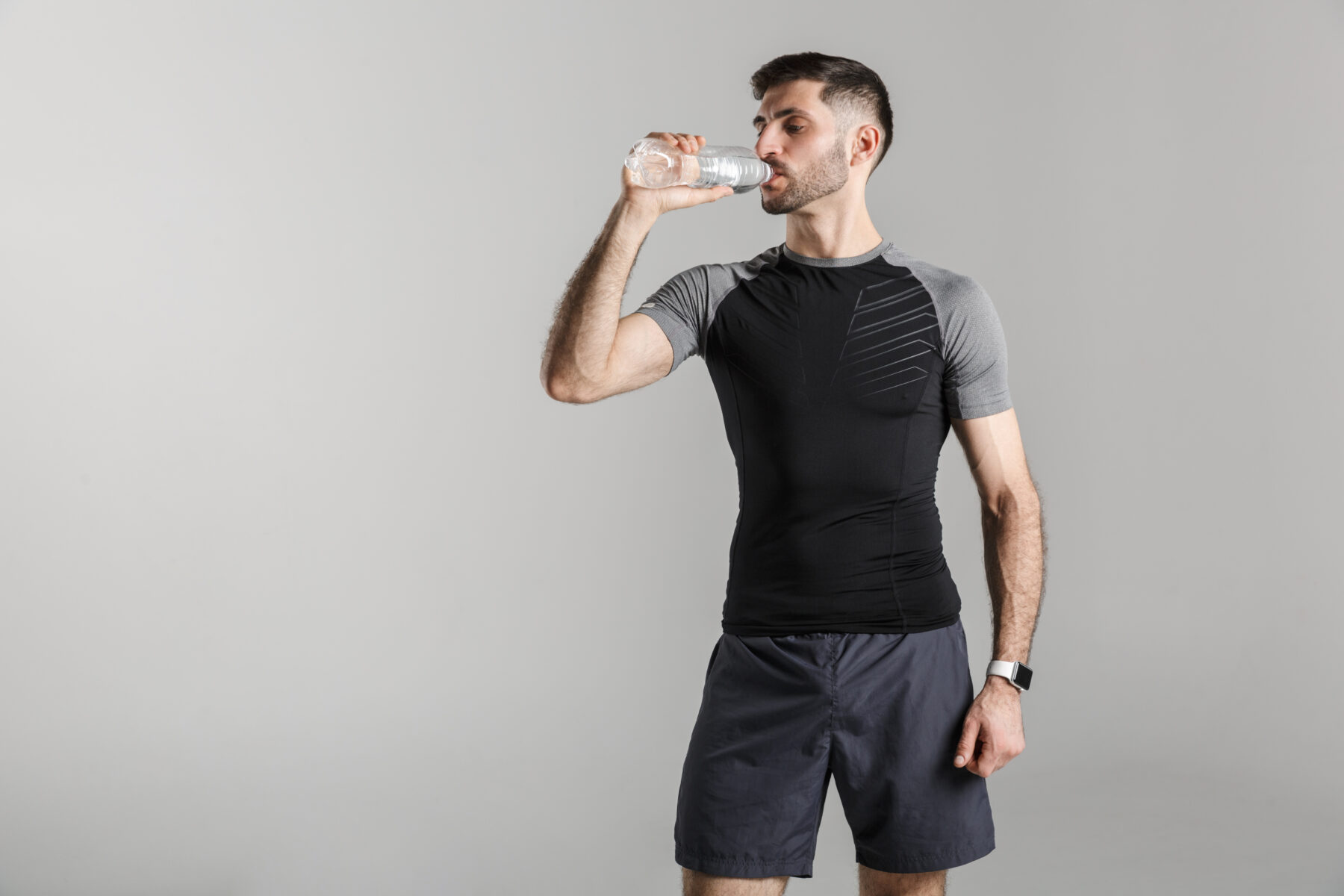
Hydration is equally important as nutrition in achieving fitness goals. Water supports every bodily function, from muscle contraction to metabolism and thermoregulation. Dehydration can compromise performance, increase fatigue, and elevate the risk of injury.
1. How Hydration Affects Performance
- Muscle Function: Adequate water levels help muscles contract efficiently, reducing cramps and strain.
- Energy and Endurance: Even mild dehydration can lower stamina, impair focus, and slow reaction times.
- Metabolic Support: Hydration is essential for nutrient transport and waste removal, supporting recovery and overall health.
2. Daily Hydration Recommendations
While individual needs vary based on activity level, climate, and body size, general guidelines include:
- Baseline intake: 2–3 liters of water per day for average adult men
- During exercise: 400–800 ml of water per hour, with additional electrolytes for high-intensity or long-duration workouts
- Post-exercise: Replenish fluids lost through sweat by drinking water or electrolyte-rich beverages
Hydration should be consistent throughout the day, not just during exercise. Monitoring urine color can help assess hydration status—pale yellow indicates adequate hydration.
The Synergy Between Nutrition and Hydration
Nutrition and hydration work together to optimize fitness outcomes:
- Proper hydration improves digestion, nutrient absorption, and circulation, enhancing the benefits of a healthy diet.
- Adequate nutrition supports fluid balance, as electrolytes like sodium, potassium, and magnesium regulate hydration levels.
- Both influence recovery, energy, and mental focus, which are critical for consistent workouts and performance improvements.
Ignoring either aspect can limit results, reduce energy, and increase the risk of fatigue or injury.
Practical Tips for Men to Optimize Fitness Goals
- Plan Balanced Meals: Include lean protein, complex carbohydrates, and healthy fats in each meal.
- Stay Consistently Hydrated: Carry a water bottle and sip throughout the day.
- Adjust Intake for Activity Level: Increase fluids and carbohydrates during intense training or hot conditions.
- Include Electrolytes When Needed: Coconut water, sports drinks, or electrolyte supplements can help replace lost minerals during heavy sweating.
- Monitor Progress and Listen to Your Body: Fatigue, muscle cramps, or poor recovery may indicate nutritional or hydration deficiencies.
By combining proper nutrition with consistent hydration, men can maximize strength, endurance, and overall performance while promoting long-term health and well-being.
