The world of beauty and skincare is filled with terms like “cosmetic aesthetics” and “medical aesthetics,” which are often used interchangeably. However, these two areas are distinct, with different goals, procedures, and professional requirements. Understanding the difference between cosmetic and medical aesthetics can help you make informed decisions about the treatments that best suit your skin and overall well-being.
What Is Cosmetic Aesthetics?
Cosmetic aesthetics focuses primarily on enhancing appearance without necessarily addressing underlying medical conditions. Its main goal is to improve beauty, rejuvenate the skin, and maintain a youthful look.
Cosmetic procedures are typically non-invasive or minimally invasive. They aim to refine facial features, smooth skin texture, or add volume where needed. Common cosmetic aesthetic treatments include facials, microdermabrasion, chemical peels, dermaplaning, and hydrafacials. Injectables like Botox and dermal fillers are also widely used for wrinkle reduction and facial contouring. Non-surgical body treatments, such as fat reduction or skin tightening, are also part of this category.
The focus of cosmetic aesthetics is primarily visual improvement. These treatments are generally performed by licensed aestheticians in a spa or clinic setting. They require minimal recovery time and are considered low-risk, making them accessible for individuals seeking beauty enhancement without medical intervention.
What Is Medical Aesthetics?
Medical aesthetics, also known as clinical aesthetics, combines cosmetic enhancement with medical expertise. These procedures are performed or supervised by licensed healthcare professionals, such as dermatologists or plastic surgeons.
Medical aesthetics address both appearance and underlying health or skin concerns. For example, treatments can improve acne scars, hyperpigmentation, skin laxity, and signs of aging, while also supporting overall skin health.
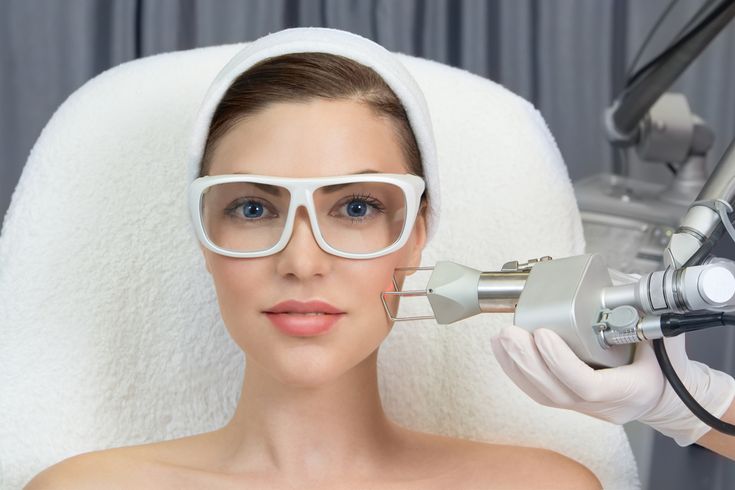
Common medical aesthetic procedures include laser therapies for pigmentation or scar removal, microneedling, PRP (platelet-rich plasma) therapy, and chemical peels with medical supervision. Injectables like Botox or fillers can also have therapeutic applications, such as treating muscle tension or migraines. Some minor surgical procedures, such as mole removal or non-invasive fat reduction, also fall under medical aesthetics.
These treatments require clinical expertise, careful evaluation, and professional oversight. While medical aesthetic procedures may carry slightly higher risks than cosmetic treatments, they provide more comprehensive results by addressing both health and appearance.
Key Differences Between Cosmetic and Medical Aesthetics
While both cosmetic and medical aesthetics aim to improve appearance, there are several important differences:
- Purpose: Cosmetic aesthetics focus on enhancing visual appeal, while medical aesthetics aim to improve both appearance and underlying skin health.
- Procedures: Cosmetic treatments are generally non-invasive, such as facials, peels, and injectables. Medical aesthetics involve more advanced therapies like laser treatments, microneedling, and minor surgical procedures.
- Professional Supervision: Cosmetic procedures can be performed by trained aestheticians under professional guidance. Medical aesthetic procedures require licensed healthcare professionals and clinical oversight.
- Depth of Treatment: Cosmetic aesthetics address surface-level concerns, whereas medical aesthetics target deeper skin layers and underlying conditions for long-term benefits.
Choosing the Right Approach
Selecting between cosmetic and medical aesthetics depends on individual goals, skin condition, and desired outcomes.
If your goal is to maintain a youthful appearance, enhance skin texture, or reduce minor wrinkles and fine lines, cosmetic aesthetics may be sufficient. These treatments are less invasive, have shorter recovery times, and are ideal for ongoing maintenance.
If you have more significant concerns, such as acne scars, pigmentation, skin laxity, or deep wrinkles, medical aesthetics may be more suitable. These treatments not only improve appearance but also address underlying conditions, often providing longer-lasting results.
Consulting a professional is essential. A dermatologist or medical aesthetic specialist can assess your skin, discuss your goals, and recommend the most appropriate treatments. They can also combine cosmetic and medical approaches for a comprehensive plan tailored to your needs.
Integrating Cosmetic and Medical Aesthetics
Many individuals benefit from a combination of cosmetic and medical aesthetics. For instance, laser therapy or microneedling may be performed to address skin concerns, followed by cosmetic facials or hydrafacials to maintain hydration and texture. Botox or fillers administered in a clinical setting can be paired with regular cosmetic treatments to enhance overall results.
This integrated approach ensures both long-term health and visible improvements. By combining preventive and corrective measures, you can achieve more balanced, natural-looking results while maintaining skin vitality.
At Dr. Mo Clinic, patients receive expert care in urology, men’s health, dermatology, women’s wellness, and aesthetic medicine. Combining advanced technology with a personalized approach, the clinic offers treatments for sexual health, infertility, hormonal balance, skin rejuvenation, anti-aging, and laser procedures. With experienced specialists and a focus on comfort, privacy, and results, Dr. Mo Clinic ensures high-quality, patient-centered care for optimal health and wellbeing in Dubai.
