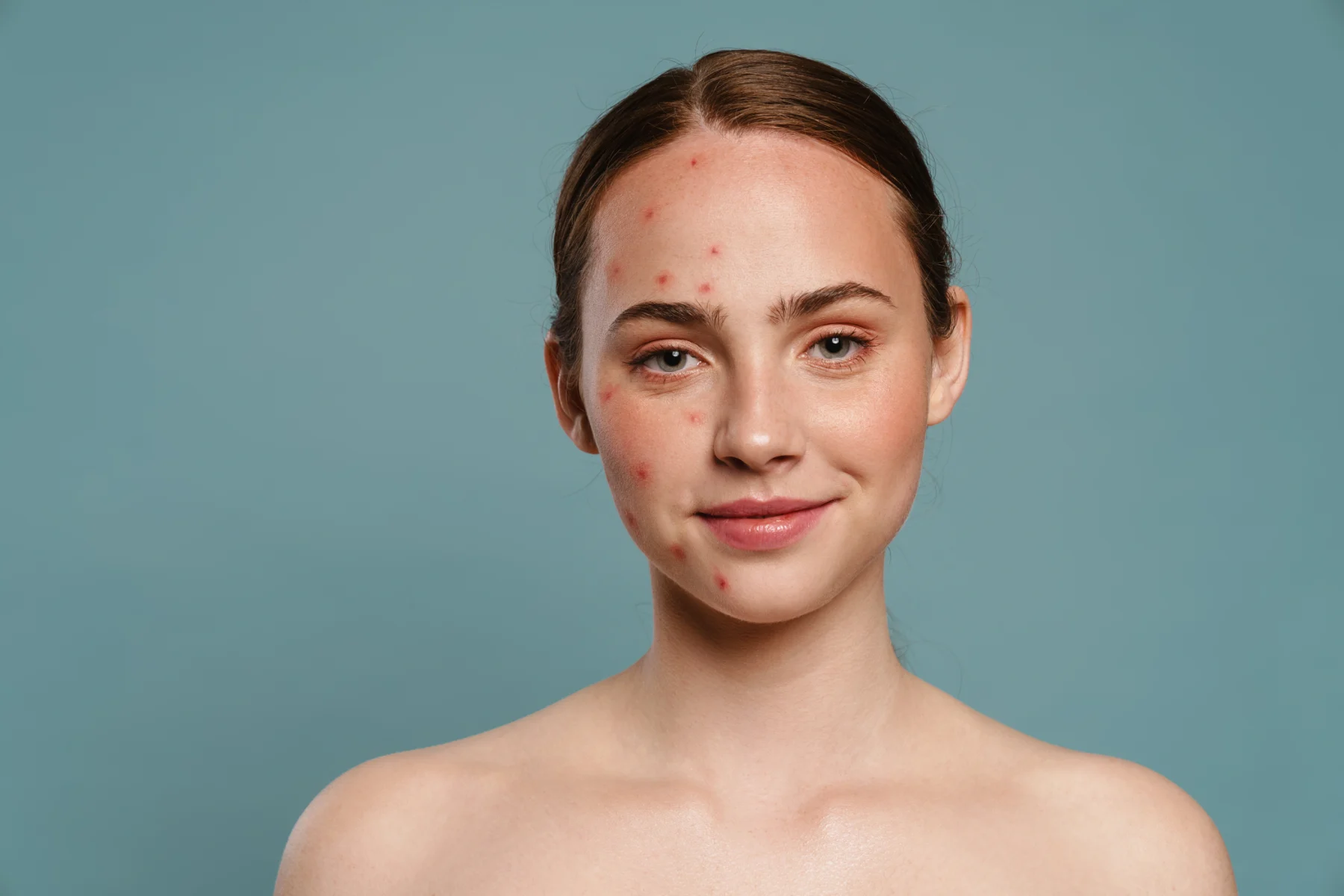
Acne is often associated with teenagers, but adult acne is a common and increasingly recognized concern. Many adults experience breakouts well into their 20s, 30s, 40s, and even beyond. Adult acne can affect confidence, self-esteem, and overall quality of life. Understanding the causes, triggers, and modern treatment options is essential for managing and preventing persistent breakouts effectively.
Understanding Adult Acne
Adult acne is similar in appearance to adolescent acne, presenting as pimples, blackheads, whiteheads, and sometimes cysts or nodules. However, it often has different causes and patterns. Adult acne commonly affects the lower face, jawline, chin, and neck, rather than the forehead and T-zone typical in teenage acne. Hormonal changes, lifestyle factors, and stress are often significant contributors.
Common Causes of Adult Acne
Several factors can trigger or worsen acne in adults:
1. Hormonal Fluctuations
Hormones are a major factor in adult acne, particularly in women. Fluctuations in androgens can increase sebum production, clogging pores and promoting bacterial growth. Common triggers include:
- Menstrual cycles
- Pregnancy
- Polycystic ovary syndrome (PCOS)
- Menopause
Hormonal imbalances can lead to cystic acne, which is often deeper, painful, and harder to treat.
2. Stress
Chronic stress can elevate cortisol levels, which in turn stimulates oil production in the skin. Increased sebum can clog pores, leading to breakouts. Stress may also exacerbate existing acne, making flare-ups more frequent.
3. Skincare and Cosmetic Products
Using products that are comedogenic (pore-clogging) or heavy oils can trigger acne. Adults may also react to certain makeup, sunscreens, or anti-aging creams that contain irritating ingredients.
4. Diet and Lifestyle
Dietary habits can influence acne. High-glycemic foods, dairy, and processed foods have been linked to breakouts in some individuals. Lack of sleep, smoking, and excessive alcohol consumption may also worsen acne by affecting hormonal balance and skin health.
5. Medications
Some medications, including corticosteroids, certain contraceptives, and lithium, can contribute to adult acne. If breakouts coincide with new medication, consult your doctor for alternatives or solutions.
6. Genetics
Family history plays a role. If parents experienced persistent acne, their children may be more prone to adult acne as well.
Modern Treatments for Adult Acne
Thanks to advances in dermatology, adult acne can be effectively managed with personalized treatment plans. Treatments focus on reducing inflammation, controlling sebum production, and preventing scarring.
1. Topical Treatments
Topical medications are often the first line of defense. These include:
- Retinoids (Tretinoin, Adapalene): Promote cell turnover and prevent clogged pores.
- Benzoyl Peroxide: Reduces acne-causing bacteria and inflammation.
- Salicylic Acid: Exfoliates the skin and unclogs pores.
- Azelaic Acid: Helps with acne and post-inflammatory hyperpigmentation.
Topicals are suitable for mild to moderate acne and can be combined for enhanced results.
2. Oral Medications
For moderate to severe acne, oral medications may be prescribed:
- Antibiotics: Reduce bacterial growth and inflammation.
- Hormonal Therapies: Birth control pills or anti-androgen medications (like spironolactone) help regulate hormone-related breakouts in women.
- Isotretinoin: A powerful option for severe or cystic acne resistant to other treatments. It reduces oil production and has long-term benefits but requires careful monitoring due to potential side effects.
3. Professional Procedures
Modern dermatology offers several procedures to manage acne and prevent scarring:
- Chemical Peels: Exfoliate skin and unclog pores, improving texture and reducing breakouts.
- Laser and Light Therapy: Targets bacteria, reduces inflammation, and helps improve acne scars.
- Microneedling: Can improve acne scars and stimulate collagen for smoother skin.
These treatments are often combined with topical and oral therapies for maximum effectiveness.
4. Skincare Routine and Lifestyle Modifications
Managing adult acne also involves consistent lifestyle and skincare habits:
- Use non-comedogenic, gentle cleansers and moisturizers.
- Avoid harsh scrubs or over-washing, which can irritate the skin.
- Maintain a balanced diet rich in antioxidants, vitamins, and hydration.
- Reduce stress through meditation, exercise, or other relaxation techniques.
- Ensure adequate sleep and limit exposure to environmental irritants.
When to See a Dermatologist
If acne is persistent, severe, or leaving scars, it’s crucial to consult a dermatologist. Professional evaluation helps identify underlying causes such as hormonal imbalances or medical conditions and ensures an effective, tailored treatment plan.
