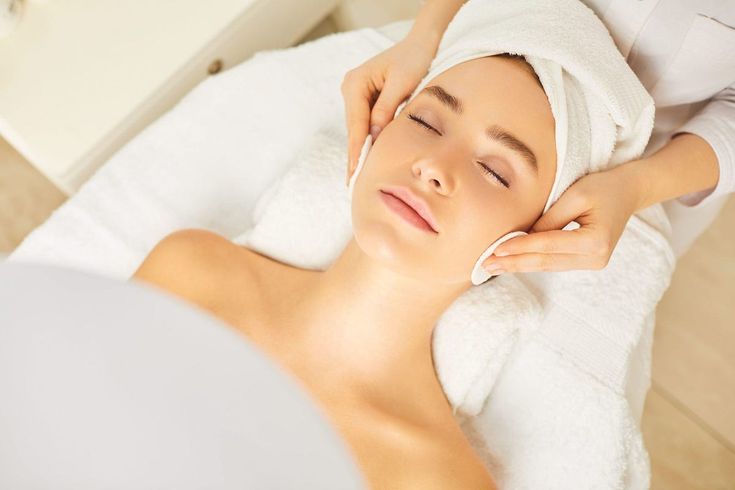
Best Skin Treatments for Youthful Looking Skin can help address common concerns associated with aging, sun exposure, uneven pigmentation, fine lines, wrinkles, rough texture, and reduced skin firmness. As the skin naturally changes with age, many people explore skincare products and professional treatments to maintain a healthy and refreshed appearance.
There is no single treatment that works best for everyone. Skin type, age, lifestyle, sun exposure, existing skin conditions, treatment goals, and the amount of downtime a person can accept all influence which option may be appropriate. A qualified dermatologist or healthcare professional can assess the skin and recommend a personalized approach.
How Skin Changes With Age
Aging naturally affects the structure and function of the skin. Collagen and elastin production gradually decrease, contributing to changes in firmness and elasticity. The skin may also become drier, while fine lines, wrinkles, uneven pigmentation, and changes in texture can become more noticeable.
Sun exposure can accelerate these changes. Repeated ultraviolet exposure contributes to photoaging, which can appear as wrinkles, age spots, uneven complexion, and loss of elasticity. Protecting the skin from ultraviolet radiation is therefore an important part of any approach to maintaining youthful-looking skin.
Daily Skincare and Sun Protection
Before considering professional treatments, a consistent skincare routine provides an important foundation. Gentle cleansing, moisturizing, and daily broad-spectrum sunscreen can help protect the skin and maintain its barrier.
Sun protection is particularly important because continued UV exposure can contribute to further skin damage and may reduce the benefits of professional treatments. Sunscreen, protective clothing, shade, and avoiding tanning beds can all contribute to better long-term skin protection.
Retinoids and Retinol
Retinoids are among the commonly used topical options for addressing signs of skin aging. Depending on the formulation, they can help improve the appearance of fine lines, uneven texture, and certain pigmentation concerns.
Prescription retinoids and over-the-counter retinol products differ in strength and availability. Because retinoids can cause dryness, redness, or irritation, they should be introduced appropriately and used according to professional recommendations when necessary.
People with sensitive skin may need a gradual approach and a simple supporting skincare routine.
Chemical Peels
Chemical peels use specific chemical solutions to exfoliate controlled layers of the skin. Depending on the type and depth of the peel, they may help improve uneven pigmentation, fine lines, rough texture, and certain types of sun damage.
Peels vary considerably in strength and should be selected according to the individual’s skin condition and treatment goals. Professional assessment is particularly important for people who are prone to pigmentation changes or irritation.
After a peel, the skin may require specific aftercare and protection from sunlight.
Microneedling
Microneedling is a minimally invasive procedure that uses fine needles to create controlled micro-injuries in the skin. This process stimulates the body’s natural healing response and collagen production.
It may be used to improve the appearance of fine lines, wrinkles, uneven texture, acne scars, enlarged pores, and some pigmentation concerns.
Multiple sessions may sometimes be recommended depending on the concern being treated. Proper technique, hygiene, and aftercare are important for reducing potential complications.
Laser Skin Resurfacing
Laser treatments can target several signs of skin aging and sun damage. Depending on the technology used, laser resurfacing may help improve wrinkles, uneven texture, pigmentation, and certain scars.
Different laser technologies have different levels of intensity and recovery requirements. Some treatments involve significant downtime, while others are designed to be gentler.
Skin type is an important consideration when selecting laser treatment because some procedures can carry a greater risk of pigmentation changes in certain skin tones. Professional assessment is therefore essential.
Radiofrequency and Skin Firming Treatments
Radiofrequency-based treatments use controlled energy to heat tissue and may be used to improve the appearance of mild skin laxity and support collagen remodeling.
Other energy-based technologies, including certain ultrasound treatments, may also be used for skin tightening. The American Academy of Dermatology lists radiofrequency, ultrasound, and laser-based options among approaches that may help address loose or aging skin.
Results vary between individuals, and these treatments are generally better suited to specific degrees of skin laxity rather than severe excess skin.
Injectable Treatments
Some signs of aging are related not only to the skin surface but also to changes in facial movement and volume.
Neuromodulator injections can reduce the appearance of certain expression-related wrinkles by temporarily reducing muscle activity. Dermal fillers may be used to restore volume or soften particular facial lines and folds.
These treatments require detailed knowledge of facial anatomy and should be performed by appropriately qualified professionals. The goal should be individualized treatment rather than excessive correction.
Professional Skin Rejuvenation Programs
For some individuals, combining different approaches may provide a more comprehensive strategy. For example, daily sun protection and appropriate skincare may be combined with a professional procedure targeting pigmentation, texture, or fine lines.
Dermatologists may use more than one treatment modality because different treatments address different signs of aging.
A personalized treatment plan can help determine which procedures are appropriate and how they should be spaced.
Choosing Treatments for Uneven Skin Tone
Uneven pigmentation can result from sun exposure, hormonal changes, inflammation, or other causes. Treatment should therefore begin with identifying the likely cause.
Depending on the condition, options may include topical products, chemical peels, intense pulsed light, or laser treatments. Some pigmentation conditions require particularly careful management because irritation can sometimes worsen discoloration.
Sun protection remains essential when treating pigmentation concerns.
Improving Skin Texture
Rough or uneven skin texture can be associated with sun damage, dehydration, acne scars, enlarged pores, or natural aging.
Depending on the cause, options may include retinoids, chemical peels, microneedling, microdermabrasion, or laser resurfacing. Each treatment works differently and has different recovery requirements.
A professional assessment can help determine whether the primary concern is surface texture, pigmentation, scarring, or another skin condition.
Lifestyle Habits for Healthier-Looking Skin
Professional treatments are only one part of maintaining youthful-looking skin. Lifestyle habits can also influence skin health.
A balanced diet, adequate sleep, regular physical activity, avoiding smoking, limiting excessive alcohol consumption, managing stress, and protecting the skin from excessive sun exposure can support overall well-being.
These habits cannot stop natural aging, but they can complement a consistent skincare routine and professional treatment plan.
Importance of Professional Assessment
Choosing a treatment based solely on social media trends or another person’s results may lead to unrealistic expectations. Skin types, medical histories, pigmentation tendencies, and responses to treatment differ from person to person.
A qualified dermatologist or healthcare professional can assess the skin, discuss goals, explain potential benefits and risks, and recommend appropriate treatment options.
Professional guidance is particularly important before procedures involving lasers, stronger chemical peels, injectables, or other treatments that can cause significant skin reactions.
Understanding Recovery and Results
Different treatments have different recovery periods. Some skincare products may require weeks or months of consistent use before visible improvements appear. Other procedures may produce temporary redness, swelling, peeling, or sensitivity.
Patients should follow aftercare instructions carefully and protect treated skin from excessive sun exposure.
It is also important to understand that results are not always permanent. Natural aging continues after treatment, and some procedures may require maintenance sessions.
Safety and Realistic Expectations
No cosmetic treatment can permanently stop the aging process. The goal of skin rejuvenation is generally to improve specific concerns while maintaining healthy and natural-looking skin.
Every procedure has potential risks, and results vary. Choosing an appropriately qualified professional, disclosing relevant medical information, following preparation instructions, and completing recommended aftercare can support safer treatment.
People should also seek medical assessment for unusual or changing skin lesions rather than treating them solely as cosmetic concerns.
Finding the Right Skin Treatment
The Best Skin Treatments for Youthful Looking Skin depend on the specific concern being addressed. Daily sun protection and suitable skincare provide the foundation, while treatments such as retinoids, chemical peels, microneedling, laser resurfacing, radiofrequency, and selected injectable procedures may address particular signs of aging.
The right approach should be based on individual skin characteristics, treatment goals, medical history, expected results, and recovery preferences.
Maintaining Youthful-Looking Skin Over Time
Maintaining youthful-looking skin is usually a long-term process rather than the result of a single treatment. Consistent sun protection, appropriate skincare, healthy lifestyle habits, and professional care when needed can help support skin health over time.
Rather than choosing the most intensive treatment available, individuals should focus on selecting treatments that address their specific concerns safely and realistically. With appropriate professional guidance, a personalized skincare and treatment plan can help improve skin quality while supporting a natural-looking appearance.
At Dr. Mo Clinic, patients receive expert care in urology, men’s health, dermatology, women’s wellness, and aesthetic medicine. Combining advanced technology with a personalized approach, the clinic offers treatments for sexual health, infertility, hormonal balance, skin rejuvenation, anti-aging, and laser procedures. With experienced specialists and a focus on comfort, privacy, and results, Dr. Mo Clinic ensures high-quality, patient-centered care for optimal health and wellbeing in Dubai.