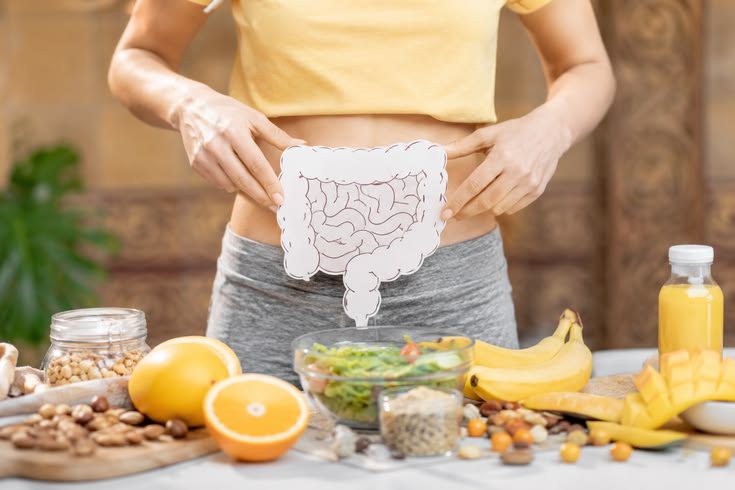
Understanding the Connection Between Gut Health and Immune Function can help explain how the digestive system contributes to overall health. The gut is not only responsible for digesting food and absorbing nutrients. It also contains a large and diverse community of microorganisms and interacts closely with immune tissues throughout the body.
The relationship between the gut and immune system is complex. Diet, lifestyle, medications, infections, and other factors can influence the gut environment, while immune activity can also affect digestive health. Maintaining healthy habits that support the digestive system may therefore contribute to overall well-being.
The Gut and the Immune System
A significant portion of the body’s immune activity is associated with tissues surrounding the digestive tract. The gut is continuously exposed to food, microorganisms, and substances entering the body through the digestive system.
The intestinal lining provides an important physical barrier, while immune cells help distinguish between harmless substances and potential threats. This interaction allows the digestive and immune systems to work together.
The gut microbiome also plays a role in this relationship by interacting with intestinal cells and influencing immune processes.
Understanding the Gut Microbiome
The gut microbiome refers to the community of microorganisms living in the digestive tract. These microorganisms include bacteria and other microbes that interact with each other and with the human body.
A diverse and balanced microbiome is associated with normal digestive and immune functions. Microorganisms in the gut can help break down certain components of food and produce substances that interact with intestinal cells.
The composition of the microbiome differs between individuals and can change over time because of diet, medications, illness, environment, and other factors.
How Diet Supports Gut Health
Diet is one of the factors that can influence the gut microbiome. A varied diet containing vegetables, fruits, whole grains, legumes, and other sources of dietary fiber can provide nutrients that support beneficial gut microorganisms.
Fiber can be fermented by certain gut bacteria, producing short-chain fatty acids and other compounds that are involved in intestinal health.
A balanced diet is generally more useful than focusing on a single food or supplement. Eating a variety of nutrient-rich foods can provide different types of fiber and nutrients that support overall health.
The Role of Probiotics
Probiotics are live microorganisms that may provide health benefits when consumed in adequate amounts. They are available in certain fermented foods and dietary supplements.
However, probiotic effects can vary depending on the specific microorganism, dose, individual health status, and reason for use. Not every probiotic product has the same evidence or effect.
People considering probiotic supplements should discuss their use with an appropriate healthcare professional, particularly if they have underlying health conditions or take medications.
Prebiotics and Gut Microorganisms
Prebiotics are substances, often certain types of dietary fiber, that can be used by beneficial microorganisms in the gut.
Foods containing prebiotic fibers include various vegetables, fruits, legumes, and whole grains. Including a range of fiber-rich foods in the diet can support a diverse gut environment.
Increasing fiber intake too quickly can sometimes cause temporary gas or bloating. Gradually increasing fiber while maintaining adequate fluid intake may be more comfortable for many people.
Gut Barrier and Immune Function
The intestinal barrier helps regulate what passes from the digestive tract into the body’s internal environment. A healthy barrier is important because it allows nutrients and other appropriate substances to pass through while limiting unwanted exposure.
The intestinal lining, mucus, immune cells, and gut microorganisms all contribute to this protective environment.
When the intestinal barrier or gut environment is disrupted, inflammation and other changes may occur. However, the relationship between gut health, inflammation, and specific diseases is complex and continues to be studied.
Lifestyle and Gut Health
Gut health is influenced by more than food. Regular physical activity, adequate sleep, stress management, and appropriate medication use can also affect digestive health.
Exercise may influence the composition and diversity of the gut microbiome, while poor sleep and chronic stress can affect digestive function and lifestyle behaviors.
Maintaining a balanced daily routine can therefore support both digestive and overall health.
Stress and the Gut
The digestive system and nervous system communicate through complex pathways often described as the gut-brain connection. Stress can influence digestive function, appetite, bowel habits, and other gastrointestinal symptoms.
People respond differently to stress. Some may experience changes in bowel movements, bloating, abdominal discomfort, or appetite during stressful periods.
Managing stress through regular physical activity, relaxation techniques, sufficient sleep, and other healthy strategies can support overall well-being.
Antibiotics and the Gut Microbiome
Antibiotics are important medicines used to treat bacterial infections. However, because they can affect bacteria throughout the body, they may also temporarily change the composition of the gut microbiome.
This is one reason antibiotics should be used only when medically appropriate and according to professional instructions.
People should not stop or change prescribed antibiotics without consulting their healthcare provider.
Gut Health and Inflammation
The gut and immune system communicate through multiple biological pathways. Certain gut microorganisms can influence immune signaling, while immune activity can influence the intestinal environment.
Research has found associations between alterations in the gut microbiome and several inflammatory or metabolic conditions. However, an association does not necessarily mean that changes in the microbiome directly cause a particular disease.
More research is needed to understand which microbiome changes are meaningful and how they can be safely targeted.
Recognizing Digestive Symptoms
Occasional digestive symptoms can occur for many reasons. However, persistent or concerning symptoms should not automatically be attributed to an unhealthy gut microbiome.
Ongoing abdominal pain, persistent diarrhea or constipation, unexplained weight loss, blood in the stool, repeated vomiting, difficulty swallowing, or other significant symptoms may require professional medical evaluation.
A healthcare professional can determine whether testing or further investigation is appropriate.
Supporting Gut Health Through Everyday Habits
Simple habits can contribute to digestive health. Eating a varied diet, including adequate fiber, drinking sufficient fluids, exercising regularly, getting enough sleep, and using medications appropriately can all be helpful.
Avoiding unnecessary restrictive diets is also important. Eliminating entire food groups without a clear reason can make it more difficult to obtain essential nutrients.
Individual dietary needs vary, so people with specific digestive concerns may benefit from personalized guidance.
Gut Health Is Not a Quick Fix
The growing interest in gut health has led to many claims about detoxes, supplements, and specialized diets. Some of these claims are not supported by strong scientific evidence.
There is no single food, supplement, or cleanse that can guarantee improved immune function. The gut microbiome is complex, and its relationship with health cannot be reduced to one product or microorganism.
A balanced diet and healthy lifestyle provide a more practical foundation for supporting digestive and overall health.
When Professional Guidance Is Needed
People experiencing persistent digestive symptoms should seek appropriate medical advice rather than relying solely on supplements or dietary changes.
Healthcare professionals can evaluate symptoms, medical history, medications, diet, and other factors. Depending on the situation, they may recommend laboratory tests, imaging, endoscopic evaluation, dietary changes, or other appropriate investigations.
Professional guidance is particularly important when symptoms are severe, persistent, or associated with warning signs.
Maintaining Gut and Immune Health
Understanding the Connection Between Gut Health and Immune Function highlights the importance of the digestive system in overall health. The gut microbiome, intestinal barrier, immune tissues, diet, and lifestyle all interact in complex ways.
Eating a varied and nutrient-rich diet, consuming adequate fiber, staying physically active, getting sufficient sleep, managing stress, and using medications responsibly can help support healthy digestive function.
Although gut health is an important part of overall wellness, it should not be viewed as a cure-all. Persistent symptoms or health concerns require appropriate professional assessment.
Building Healthy Habits for Long-Term Wellness
Supporting gut health is best approached as a long-term lifestyle goal rather than a short-term trend. Consistent healthy eating, regular activity, adequate rest, and appropriate medical care can contribute to overall well-being.
The connection between the digestive system and immune function continues to be an active area of research. As scientific understanding develops, personalized healthcare guidance remains the best way to address individual digestive and immune health concerns.
At Dr. Mo Clinic, patients receive expert care in urology, men’s health, dermatology, women’s wellness, and aesthetic medicine. Combining advanced technology with a personalized approach, the clinic offers treatments for sexual health, infertility, hormonal balance, skin rejuvenation, anti-aging, and laser procedures. With experienced specialists and a focus on comfort, privacy, and results, Dr. Mo Clinic ensures high-quality, patient-centered care for optimal health and wellbeing in Dubai.