The Difference Between Medical Skin Treatments and Regular Facials is important to understand when choosing the right approach for specific skin concerns. Both can be part of a skincare routine, but they differ in their purpose, level of assessment, products or technologies used, and the type of skin concerns they are designed to address.
Regular facials are commonly associated with cleansing, exfoliation, hydration, and relaxation. Medical skin treatments, on the other hand, are generally designed to address particular skin concerns and may involve professional assessment, active ingredients, prescription products, medical devices, or other clinically guided procedures.
Understanding these differences can help individuals choose an option that better matches their skin needs and expectations.
What Is a Regular Facial
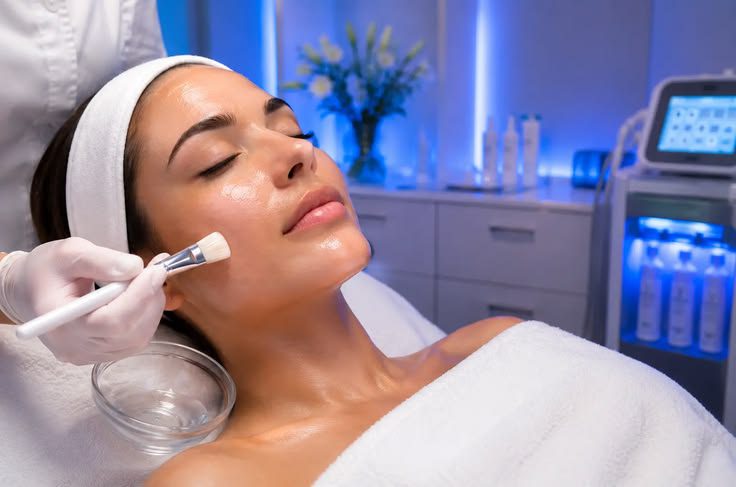
A regular facial is a cosmetic skincare treatment commonly focused on cleansing, exfoliation, hydration, and improving the temporary appearance of the skin.
A typical facial may include cleansing, steam, gentle exfoliation, extraction, a mask, and moisturizing products. The exact steps depend on the type of facial and the provider.
Regular facials can leave the skin feeling refreshed and moisturized. They may be suitable for people who want routine skincare maintenance without undergoing a more intensive procedure.
However, traditional facials may have limitations when dealing with persistent or complex skin conditions.
What Are Medical Skin Treatments
Medical skin treatments are professional procedures designed to address specific skin concerns. Depending on the treatment, they may be provided or supervised by qualified healthcare professionals.
These treatments can target concerns such as acne, pigmentation, uneven skin texture, fine lines, scarring, or signs of sun damage.
Examples may include certain chemical peels, laser or light-based treatments, microneedling, and medically guided skincare programs. The appropriate treatment depends on skin type, medical history, the condition being addressed, and individual goals.
Differences in Treatment Goals
One of the main differences between medical skin treatments and regular facials is the overall treatment objective.
Regular facials generally focus on skin maintenance, cleansing, hydration, and temporary improvement in appearance. They can be useful as part of a routine skincare program.
Medical skin treatments typically have a more targeted purpose. They may be selected to address specific skin concerns or stimulate changes in the skin through controlled treatments.
The expected outcome therefore depends on the treatment being performed and the concern being addressed.
Differences in Skin Assessment
A regular facial may involve a basic discussion of skin type and skincare preferences. The provider may select products based on whether the skin appears dry, oily, sensitive, or combination.
Medical skin treatments generally involve a more detailed assessment, particularly when treating a specific skin condition.
A qualified professional may consider medical history, medications, previous treatments, allergies, skin sensitivity, pigmentation tendencies, and other factors before recommending a procedure.
This assessment can help determine whether a treatment is appropriate and how it should be performed.
Difference in Treatment Intensity
Regular facials are usually designed to provide gentle or moderate cosmetic skincare benefits. Recovery is often minimal, although some facials involving extractions or stronger exfoliation may temporarily cause redness or sensitivity.
Medical treatments can vary significantly in intensity. Some may have little downtime, while others can produce temporary redness, peeling, swelling, or sensitivity.
The level of recovery depends on the specific procedure, treatment depth, technology used, and individual skin response.
Products and Active Ingredients
Regular facials may use cleansers, moisturizers, masks, exfoliating products, and other cosmetic skincare formulations.
Medical skin treatments may involve stronger active ingredients or professionally selected formulations. Certain treatments may also use prescription medications or medical-grade products when appropriate.
The concentration and method of application can influence how the skin responds. Stronger does not automatically mean better, and products should be selected according to individual skin needs.
Treating Specific Skin Concerns
Regular facials can support general skin maintenance, but they may not be sufficient for persistent medical or dermatological concerns.
Medical treatments can be selected for concerns such as acne, hyperpigmentation, certain types of scarring, uneven texture, and age-related skin changes.
The underlying cause of a skin problem should be considered before treatment. For example, pigmentation can have different causes, and treating the appearance without identifying contributing factors may not provide lasting improvement.
Professional Supervision
Medical skin treatments often require a higher level of professional assessment because they may involve medical devices, stronger active ingredients, or procedures that affect deeper layers of the skin.
Choosing a qualified and appropriately licensed professional is important. Patients should ask about the provider’s training, the treatment being recommended, potential risks, expected downtime, and aftercare.
Regular facials may be offered in many cosmetic skincare settings, but individuals should still choose reputable providers who follow appropriate hygiene and safety practices.
Recovery and Downtime
Downtime is another important difference.
Many regular facials require little or no recovery time. Some people may experience mild redness immediately afterward, particularly following exfoliation or extraction.
Medical skin treatments may have different recovery requirements. Certain laser treatments, chemical peels, or microneedling procedures can cause temporary redness, peeling, swelling, or sensitivity.
Patients should understand the expected recovery period before choosing a treatment, particularly if they have work, travel, or social commitments.
Long-Term Skin Management
Regular facials can be used as part of an ongoing skincare routine. They may help maintain hydration and provide periodic cleansing and exfoliation.
Medical skin treatments may be performed as part of a structured treatment plan. Some concerns may require multiple sessions, maintenance treatments, or a combination of professional procedures and home skincare.
Long-term results often depend on consistent skincare, sun protection, lifestyle habits, and appropriate treatment selection.
Sun Protection and Aftercare
After both regular and medical skincare treatments, appropriate aftercare can be important. However, medical procedures may require more specific instructions.
Sun exposure can increase skin sensitivity and contribute to pigmentation problems. Sunscreen and protective measures may therefore be particularly important after procedures that temporarily affect the skin barrier.
Patients should follow the aftercare instructions provided by their healthcare professional and avoid introducing potentially irritating products too soon after treatment.
Safety Considerations
All skincare treatments can involve some risk, especially when products or procedures are not suitable for an individual’s skin type.
Medical treatments may have specific risks such as pigmentation changes, prolonged irritation, infection, burns, or scarring depending on the procedure.
People with sensitive skin, active skin infections, certain medical conditions, or specific medications may require additional assessment before treatment.
Professional evaluation can help identify potential contraindications and determine the safest approach.
Choosing the Right Treatment
The best choice depends on the individual’s goals and skin condition. Someone looking for routine cleansing and hydration may prefer a regular facial.
Someone dealing with persistent acne, pigmentation, scarring, significant texture changes, or other specific concerns may benefit from professional medical assessment and a targeted treatment plan.
In some cases, regular facials and medical skin treatments can complement each other as part of a broader skincare routine.
When Professional Advice Is Important
Persistent, painful, rapidly changing, or unexplained skin problems should not be treated only with cosmetic facials. Conditions such as severe acne, unusual pigmentation, persistent rashes, or suspicious skin changes may require assessment by a dermatologist or other qualified healthcare professional.
Professional diagnosis can help identify the cause of a problem before selecting an appropriate treatment.
Understanding the Difference
The Difference Between Medical Skin Treatments and Regular Facials primarily relates to their purpose, intensity, professional assessment, and ability to address specific concerns.
Regular facials are generally focused on cosmetic maintenance, cleansing, hydration, and temporary improvements in skin appearance. Medical skin treatments are more targeted and may be used to manage particular skin concerns through clinically guided procedures or products.
Neither approach is universally better. The right option depends on the individual’s skin type, concerns, health history, expectations, and desired outcome.
Building a Suitable Skincare Plan
A healthy skincare plan should focus on consistency and suitability rather than simply choosing the most intensive treatment available. Daily cleansing, moisturizing, sun protection, balanced nutrition, adequate hydration, and healthy lifestyle habits can provide a foundation for skin health.
When specific concerns persist, professional assessment can help determine whether a regular facial, medical skin treatment, prescription skincare, or another approach is appropriate.
Understanding the differences between these options allows individuals to make more informed skincare decisions and choose treatments that match their needs while prioritizing skin health and safety.
At Dr. Mo Clinic, patients receive expert care in urology, men’s health, dermatology, women’s wellness, and aesthetic medicine. Combining advanced technology with a personalized approach, the clinic offers treatments for sexual health, infertility, hormonal balance, skin rejuvenation, anti-aging, and laser procedures. With experienced specialists and a focus on comfort, privacy, and results, Dr. Mo Clinic ensures high-quality, patient-centered care for optimal health and wellbeing in Dubai.