
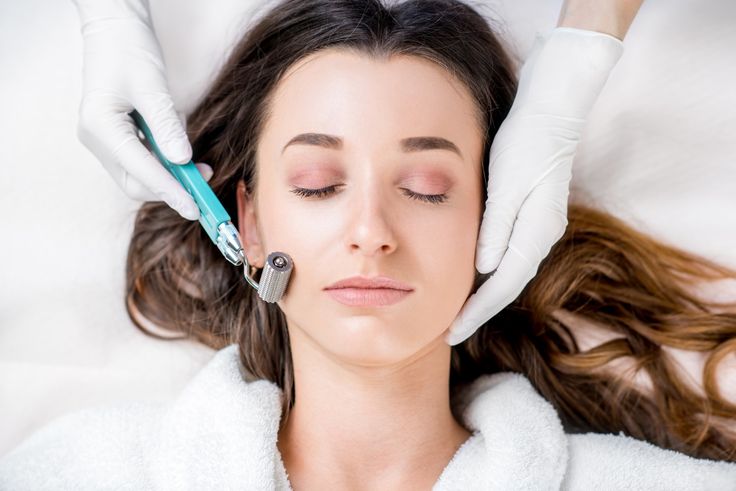
Technology has transformed many areas of modern healthcare, and skin care is no exception. New devices, imaging systems, digital tools, and treatment techniques are helping professionals assess skin concerns more accurately and provide increasingly personalized care. Understanding How Technology Is Changing Skin Care Treatments offers insight into how modern innovations are influencing the way people approach skin health and aesthetic care.
Digital Skin Assessment
One of the major developments in modern skin care is the use of digital assessment tools. Advanced imaging systems can capture detailed photographs of the skin and help professionals evaluate concerns such as pigmentation, texture, redness, visible pores, and signs of aging.
Digital images can also make it easier to monitor changes over time. Instead of relying only on visual observation, professionals can use documented images as part of a broader skin assessment.
Personalized Treatment Planning
Technology allows skin care professionals to gather more information before recommending a treatment. Factors such as skin type, pigmentation patterns, texture, sensitivity, and previous treatment history can be considered when developing a care plan.
Personalized planning can help ensure that treatments are selected according to individual skin characteristics rather than following a single approach for everyone.
Laser Skin Treatments
Laser technology has become an important part of modern dermatological and aesthetic care. Different laser systems can be designed to target specific skin concerns, including unwanted pigmentation, certain scars, vascular concerns, and signs of photoaging.
The choice of laser, settings, and treatment schedule depends on the individual’s skin type and the condition being addressed. Professional assessment is important because inappropriate laser use can cause irritation or pigmentation changes.
Light-Based Treatments
Light-based technologies are also used for selected skin concerns. Different wavelengths can interact with specific structures within the skin.
Depending on the technology, light-based treatments may be used to address certain pigmentation concerns, redness, acne-related problems, or signs of aging. Results and suitability vary between individuals, so professional evaluation remains important.
Radiofrequency Technology
Radiofrequency treatments use controlled energy to heat targeted layers of tissue. They are commonly used in certain skin-tightening and aesthetic procedures.
The technology is designed to stimulate changes within the skin while controlling the amount of energy delivered. Different devices use different techniques, and treatment suitability depends on factors such as skin condition and individual goals.
Microneedling Devices
Traditional microneedling has also evolved through technological improvements. Devices can use multiple fine needles to create controlled micro-injuries in the skin.
This process is intended to stimulate the skin’s natural repair response and may be used for concerns such as uneven texture and certain types of acne scarring.
Professional assessment is important when determining whether microneedling is suitable, particularly for individuals with active skin conditions.
Advanced Skin Imaging
Modern imaging technologies can provide detailed visual information about the skin that may not be obvious under ordinary lighting.
Some systems can capture different aspects of pigmentation, vascular patterns, and skin texture. These images may assist professionals in evaluating skin concerns and monitoring treatment progress.
Artificial Intelligence in Skin Care
Artificial intelligence is increasingly being explored in dermatology and skin care. AI-based systems can analyze images and identify patterns that may assist professionals in assessing certain skin concerns.
AI can serve as a supportive tool, but it should not replace clinical evaluation. A qualified professional remains responsible for interpreting findings and determining appropriate care.
Technology and Acne Management
Technology has expanded the range of options available for managing acne and acne-related concerns. Certain light-based devices, lasers, and other technologies may be used in selected cases.
However, acne can have different causes and levels of severity. Treatment should therefore be based on an appropriate assessment rather than relying solely on a device or home technology.
Improving Treatment Precision
Modern devices often provide professionals with greater control over treatment settings. Energy levels, pulse duration, depth, or other parameters may be adjusted according to the treatment area and patient’s characteristics.
This ability to customize settings can support more targeted treatment when the technology is appropriate for the specific concern.
Non-Invasive and Minimally Invasive Options
Technological advances have increased the availability of non-invasive and minimally invasive skin treatments. Many procedures are designed to address aesthetic concerns without traditional surgery.
Depending on the treatment, patients may experience less downtime than with more invasive procedures. However, recovery varies according to the technology used and the individual’s skin response.
Technology for Skin Rejuvenation
Several modern technologies are used to address visible signs of skin aging. Depending on the patient’s needs, treatments may focus on fine lines, uneven texture, pigmentation, or loss of firmness.
Laser treatments, radiofrequency, ultrasound-based technologies, microneedling, and other procedures may be considered in appropriate cases.
A customized treatment plan can combine different approaches when clinically suitable.
Digital Monitoring After Treatment
Technology can also help monitor treatment outcomes. Follow-up photographs and digital records can allow professionals to compare the skin before and after treatment.
This documentation can support ongoing treatment decisions and help determine whether adjustments are needed.
Home Skin Care Technology
Technology is not limited to professional clinics. Consumers now have access to various home-use devices designed for skin care.
These may include light-based devices, cleansing tools, and other electronic products. However, home devices typically operate at different levels from professional equipment. Users should follow manufacturer instructions carefully and avoid using devices on skin conditions for which they are not intended.
Technology and Skin Safety
Advanced technology does not automatically mean that every treatment is suitable for every person. Skin type, medications, existing skin conditions, recent sun exposure, and previous procedures can influence treatment safety.
Professional assessment is particularly important for energy-based treatments because incorrect settings or inappropriate use may lead to burns, irritation, scarring, or pigmentation changes.
Combining Technology With Professional Expertise
Technology works most effectively when combined with professional knowledge. A device can deliver energy or capture an image, but a qualified professional must determine what the information means and whether treatment is appropriate.
The best results often depend on accurate assessment, suitable technology, correct settings, proper technique, and appropriate aftercare.
The Future of Skin Care Technology
Skin care technology is continuing to develop. Future innovations may include more advanced imaging, AI-supported analysis, increasingly precise energy delivery, personalized treatment planning, and improved monitoring systems.
Research may also lead to new technologies designed to target specific skin structures with greater precision while minimizing unnecessary effects on surrounding tissue.
At Dr. Mo Clinic, patients receive expert care in urology, men’s health, dermatology, women’s wellness, and aesthetic medicine. Combining advanced technology with a personalized approach, the clinic offers treatments for sexual health, infertility, hormonal balance, skin rejuvenation, anti-aging, and laser procedures. With experienced specialists and a focus on comfort, privacy, and results, Dr. Mo Clinic ensures high-quality, patient-centered care for optimal health and wellbeing in Dubai.