
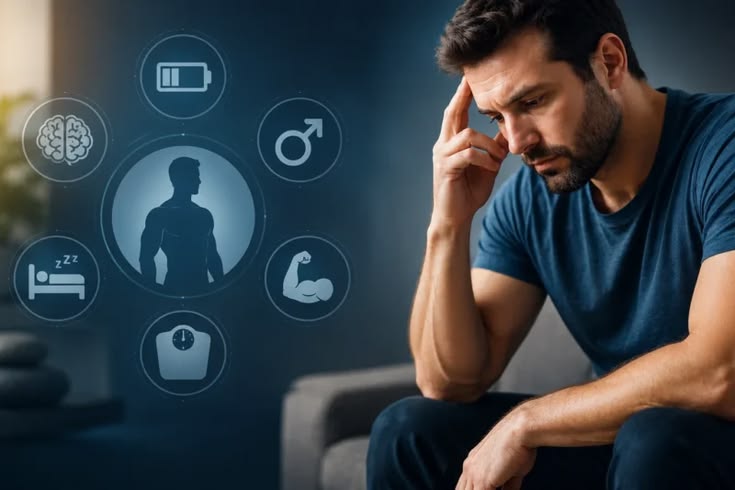
Mental health is an essential part of overall well-being, yet it is often overlooked when discussing men’s health. For generations, many men have been encouraged to appear strong, independent, and emotionally resilient, sometimes leading them to suppress feelings or avoid seeking support when facing emotional challenges. While awareness of mental health has grown significantly, stigma still prevents many men from openly discussing their struggles or accessing the help they need.
Understanding Men’s Mental Health and Ending the Stigma is crucial for promoting healthier lives, stronger relationships, and improved emotional well-being. By encouraging open conversations and challenging outdated perceptions, society can create an environment where men feel comfortable prioritizing their mental health without fear of judgment.
Why Men’s Mental Health Matters
Mental health influences how individuals think, feel, and interact with others. It affects relationships, work performance, physical health, decision-making, and overall quality of life.
Good mental health can help men:
- Manage stress effectively
- Build healthy relationships
- Improve emotional resilience
- Enhance productivity and focus
- Maintain physical well-being
- Enjoy a better quality of life
Just as physical health requires attention and care, mental health should be treated as an important component of overall wellness.
Understanding Mental Health Challenges in Men
Men can experience a wide range of mental health concerns throughout different stages of life. These challenges may arise from personal experiences, work pressures, family responsibilities, financial stress, health concerns, or significant life changes.
Common mental health challenges may include:
- Chronic stress
- Anxiety-related concerns
- Depression
- Burnout
- Emotional exhaustion
- Sleep disturbances
- Relationship difficulties
- Low self-esteem
Recognizing these challenges is the first step toward improving mental well-being and seeking appropriate support.
The Impact of Stigma on Men’s Mental Health
One of the biggest barriers to mental wellness is stigma. Many men grow up hearing messages that encourage emotional suppression or suggest that asking for help is a sign of weakness.
Common misconceptions include:
- Men should always be strong
- Emotional vulnerability is a weakness
- Mental health struggles should be handled alone
- Seeking help reflects personal failure
These beliefs can prevent men from discussing their emotions, seeking professional support, or reaching out to friends and family during difficult times.
Ending stigma begins by recognizing that mental health challenges are a normal part of the human experience and that seeking support is a sign of self-awareness and strength.
Signs That Mental Health May Need Attention
Mental health concerns do not always appear in obvious ways. Men may experience emotional struggles through physical symptoms, behavioral changes, or shifts in daily functioning.
Potential signs may include:
- Persistent sadness or low mood
- Increased irritability
- Difficulty concentrating
- Loss of motivation
- Changes in sleep patterns
- Social withdrawal
- Ongoing fatigue
- Increased stress levels
- Loss of interest in enjoyable activities
Recognizing these signs early can help individuals take proactive steps toward improving their well-being.
The Connection Between Mental and Physical Health
Mental and physical health are closely connected. Emotional stress can affect the body, while physical health issues can influence mental well-being.
Mental health challenges may contribute to:
- Sleep problems
- Reduced energy levels
- Difficulty maintaining healthy habits
- Increased stress responses
- Lower productivity
Similarly, regular exercise, healthy eating, and adequate sleep can positively influence both mental and physical wellness.
Why Men Often Avoid Seeking Help
Many men hesitate to seek support due to cultural expectations, fear of judgment, or concerns about appearing vulnerable.
Some common reasons include:
- Fear of being misunderstood
- Concerns about social perceptions
- Difficulty expressing emotions
- Belief that problems should be handled independently
- Lack of awareness about available resources
Breaking these barriers requires ongoing education and supportive environments that encourage open discussions about mental health.
The Importance of Open Conversations
One of the most effective ways to reduce stigma is through honest and respectful conversations.
Open discussions can:
- Normalize mental health experiences
- Encourage emotional expression
- Build supportive relationships
- Reduce feelings of isolation
- Promote awareness and understanding
When men feel comfortable talking about their experiences, they are more likely to seek help when needed and support others facing similar challenges.
Healthy Strategies for Supporting Mental Well-Being
Maintaining mental health requires consistent attention and self-care. While every individual is different, several habits can support emotional wellness.
Stay Physically Active
Regular exercise can help improve mood, reduce stress, and support overall well-being.
Prioritize Sleep
Quality sleep plays a vital role in emotional regulation, mental clarity, and stress management.
Build Strong Social Connections
Supportive relationships with family, friends, and community members can provide emotional comfort during challenging times.
Practice Stress Management
Activities such as mindfulness, meditation, deep breathing, and hobbies can help reduce stress and improve resilience.
Maintain a Healthy Lifestyle
Balanced nutrition, hydration, and healthy daily habits contribute to both mental and physical health.
The Role of Professional Support
Professional support can be an important resource for individuals experiencing mental health challenges. Mental health professionals provide guidance, coping strategies, and evidence-based approaches tailored to individual needs.
Seeking professional support can help:
- Improve emotional awareness
- Develop healthy coping mechanisms
- Manage stress effectively
- Strengthen resilience
- Enhance overall well-being
Accessing support should be viewed as a proactive step toward better health rather than a sign of weakness.
Creating a Culture of Acceptance
Ending stigma requires collective effort from families, workplaces, communities, and society as a whole.
Positive changes include:
- Encouraging open dialogue
- Promoting mental health education
- Supporting emotional expression
- Challenging harmful stereotypes
- Creating supportive environments
When mental health is discussed openly and respectfully, more men feel empowered to prioritize their well-being.
Supporting Men Across Different Life Stages
Mental health needs can vary throughout life.
Young Adulthood
Focus may include identity development, education, career planning, and relationship challenges.
Midlife
Responsibilities related to career, finances, parenting, and caregiving can create additional pressures.
Older Adulthood
Life transitions, retirement, health changes, and social adjustments may influence emotional well-being.
Recognizing these evolving needs allows men to access appropriate support throughout every stage of life.
Looking Toward a Healthier Future
Awareness surrounding men’s mental health continues to grow, creating opportunities for greater understanding and support. As more individuals, organizations, and communities prioritize mental wellness, barriers to care can continue to decrease.
The future of men’s mental health depends on fostering acceptance, compassion, and access to resources that empower individuals to seek help without fear of judgment.
At Dr. Mo Clinic, patients receive expert care in urology, men’s health, dermatology, women’s wellness, and aesthetic medicine. Combining advanced technology with a personalized approach, the clinic offers treatments for sexual health, infertility, hormonal balance, skin rejuvenation, anti-aging, and laser procedures. With experienced specialists and a focus on comfort, privacy, and results, Dr. Mo Clinic ensures high-quality, patient-centered care for optimal health and wellbeing in Dubai.