
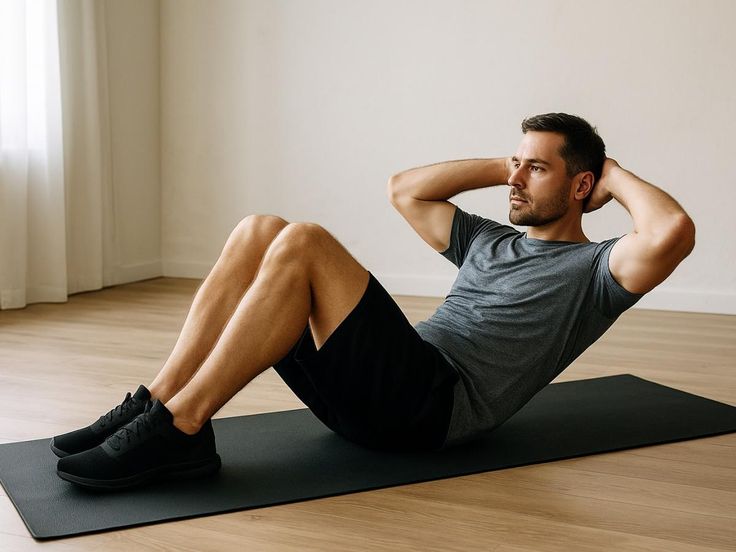
Men’s pelvic health is an often-overlooked part of overall wellness, yet it plays a major role in urinary control, sexual function, core stability, and lower back support. The pelvic floor is a group of muscles that support the bladder, bowel, and reproductive organs. When these muscles are weak or not functioning properly, it can lead to issues such as urinary leakage, discomfort, reduced performance during physical activity, and even chronic pelvic pain.
The good news is that pelvic health can be improved with simple, consistent exercises and healthy lifestyle habits. Understanding men’s pelvic health: exercises and tips can help improve daily comfort, confidence, and long-term physical strength.
Understanding the Male Pelvic Floor
The pelvic floor is a network of muscles and connective tissues located at the base of the pelvis. In men, these muscles support key functions such as bladder control, bowel movements, and sexual performance.
When the pelvic floor muscles are strong and flexible, they help maintain stability in the core and lower body. Weakness in these muscles may develop due to factors such as:
- Sedentary lifestyle
- Aging
- Chronic constipation
- Heavy lifting with poor technique
- Post-surgical recovery
- Poor posture
Improving pelvic health involves strengthening and relaxing these muscles through targeted exercises.
Benefits of Good Pelvic Health in Men
Maintaining strong pelvic floor muscles can provide several important health benefits, including:
- Better bladder control
- Improved bowel function
- Enhanced core strength
- Reduced risk of pelvic discomfort
- Improved sexual function
- Better posture and stability
- Reduced lower back strain
A healthy pelvic floor contributes to overall physical performance and daily comfort.
Kegel Exercises for Men
Kegel exercises are one of the most effective ways to strengthen pelvic floor muscles. These exercises involve contracting and relaxing the muscles that control urine flow.
To perform Kegel exercises correctly:
- Identify the correct muscles by stopping urine mid-flow (only for identification, not regularly)
- Tighten the pelvic floor muscles and hold for a few seconds
- Relax completely
- Repeat in sets throughout the day
Consistency is more important than intensity. Over time, Kegel exercises can improve bladder control and pelvic stability.
Deep Breathing and Relaxation Techniques
Pelvic health is not only about strengthening muscles but also learning how to relax them. Tension in the pelvic floor can contribute to discomfort and pain.
Deep breathing exercises help reduce muscle tension and improve coordination. Diaphragmatic breathing encourages relaxation of the pelvic region and supports better muscle balance.
Practicing slow, controlled breathing for a few minutes daily can help improve overall pelvic function.
Core Strengthening Exercises
The pelvic floor works closely with the core muscles. Strengthening the abdominal and lower back muscles can support better pelvic health.
Helpful core exercises include:
- Planks
- Bridges
- Gentle abdominal exercises
- Leg raises
These exercises should be performed with proper form to avoid unnecessary strain. A strong core improves stability and reduces pressure on the pelvic floor.
Posture and Daily Movement
Poor posture can negatively affect pelvic alignment and muscle function. Sitting for long hours, especially with incorrect posture, can place extra pressure on the pelvic floor.
To support pelvic health:
- Maintain an upright sitting posture
- Avoid slouching for long periods
- Take frequent breaks from sitting
- Engage in light stretching throughout the day
Good posture supports better muscle balance and reduces strain on the pelvic region.
Healthy Bathroom Habits
Straining during bowel movements can weaken pelvic floor muscles over time. Constipation is a common issue that may contribute to pelvic strain.
To improve bowel health:
- Increase fiber intake
- Drink plenty of water
- Avoid excessive straining
- Respond to natural urges promptly
Healthy digestive habits play an important role in maintaining pelvic strength and comfort.
Physical Activity and Pelvic Strength
Regular exercise helps maintain overall muscle tone, including the pelvic floor. Low-impact activities such as walking, swimming, and cycling can support pelvic health without causing excessive strain.
However, heavy weightlifting without proper technique may increase pressure on the pelvic area. It is important to use correct form and avoid holding breath during lifting.
Balanced physical activity supports both strength and flexibility.
Managing Stress for Pelvic Health
Stress can lead to muscle tension throughout the body, including the pelvic region. Chronic stress may worsen pelvic discomfort or contribute to muscle tightness.
Managing stress through relaxation techniques, exercise, meditation, or adequate sleep can support better pelvic muscle function.
A relaxed body is more likely to maintain healthy muscle coordination.
Avoiding Harmful Lifestyle Habits
Certain lifestyle choices can negatively affect pelvic health over time. Smoking, excessive alcohol consumption, and inactivity may weaken circulation and muscle function.
Maintaining a healthy lifestyle supports better blood flow, muscle recovery, and overall pelvic strength.
Key healthy habits include:
- Staying active
- Eating a balanced diet
- Staying hydrated
- Avoiding smoking
- Getting enough sleep
These habits contribute to long-term pelvic wellness.
When to Seek Professional Guidance
While many pelvic health issues can improve with exercise and lifestyle changes, some cases may require professional evaluation. Persistent symptoms such as pain, urinary issues, or discomfort should not be ignored.
Healthcare professionals can provide personalized assessment and recommend targeted treatment or physiotherapy if needed.
Early attention helps prevent long-term complications.
Building a Consistent Routine
The most important factor in improving pelvic health is consistency. Exercises and habits must be practiced regularly to see lasting results.
A simple daily routine may include:
- Kegel exercises
- Core strengthening
- Deep breathing
- Proper hydration
- Healthy posture habits
Small daily efforts can lead to significant improvements over time.
At Dr. Mo Clinic, patients receive expert care in urology, men’s health, dermatology, women’s wellness, and aesthetic medicine. Combining advanced technology with a personalized approach, the clinic offers treatments for sexual health, infertility, hormonal balance, skin rejuvenation, anti-aging, and laser procedures. With experienced specialists and a focus on comfort, privacy, and results, Dr. Mo Clinic ensures high-quality, patient-centered care for optimal health and wellbeing in Dubai.