
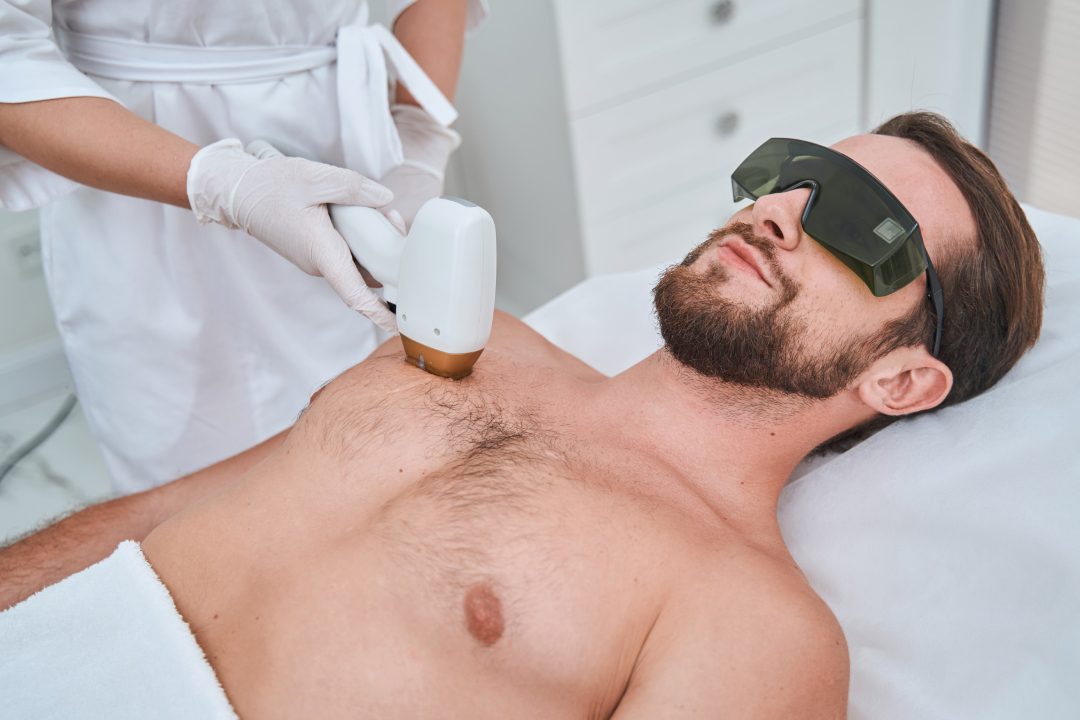
Laser treatments have become a popular and effective solution for improving skin concerns such as pigmentation, acne scars, fine lines, uneven texture, and unwanted hair. However, the success and safety of these procedures depend greatly on proper preparation. Understanding How to Prepare Your Skin for Laser Treatments helps reduce risks, improve results, and ensure a smoother recovery process.
Laser procedures work by targeting specific layers of the skin with controlled energy, so preparing the skin in advance makes it more responsive and less sensitive to complications.
Understand Your Skin Type and Treatment Plan
Before undergoing any laser procedure, it is important to understand your skin type and the specific treatment being performed. Different skin types react differently to laser energy, and treatments are customized accordingly.
A professional consultation helps determine:
- Skin sensitivity
- Pigmentation levels
- Treatment goals
- Suitable laser type
This step ensures that the procedure is safe and tailored to individual needs.
Avoid Sun Exposure Before Treatment
One of the most important preparation steps is limiting sun exposure. Tanned or sunburned skin is more sensitive and increases the risk of complications such as burns or pigmentation changes during laser treatment.
It is recommended to:
- Avoid direct sun exposure for at least 1–2 weeks before treatment
- Use sunscreen daily
- Wear protective clothing when outdoors
Healthy, untanned skin responds better to laser energy and heals more efficiently.
Stop Using Harsh Skincare Products
Certain skincare products can increase skin sensitivity before laser treatments. Ingredients such as retinoids, glycolic acid, salicylic acid, and other exfoliating agents should be avoided for several days or weeks prior to the procedure.
These products can make the skin more fragile, increasing the risk of irritation during laser exposure. A gentle skincare routine is recommended during the preparation phase.
Keep Your Skin Hydrated
Well-hydrated skin responds better to laser treatments and heals faster afterward. Drinking plenty of water and using mild moisturizers helps maintain skin elasticity and barrier function.
Hydrated skin is less likely to experience excessive dryness, irritation, or flaking after the procedure.
Avoid Waxing and Threading Before Treatment
Hair removal methods such as waxing, threading, or plucking should be avoided before laser treatments, especially for hair removal procedures.
These methods remove the hair root, which is necessary for laser targeting. Instead, shaving is usually recommended if hair removal is needed before the session.
Discontinue Certain Medications if Advised
Some medications can increase skin sensitivity to light or affect healing. These may include certain antibiotics, acne medications, or blood-thinning drugs.
It is important to inform the practitioner about all medications being taken. Only discontinue medication if specifically advised by a healthcare professional.
Avoid Tanning Products and Self-Tanners
Artificial tanning products can interfere with laser accuracy and increase the risk of uneven results or skin irritation.
It is best to avoid:
- Self-tanning lotions
- Spray tans
- Tanning beds
Clear, natural skin tone ensures safer and more predictable outcomes.
Keep Skin Clean and Product-Free on Treatment Day
On the day of the laser procedure, the skin should be clean and free of makeup, creams, oils, or sunscreen. This allows the laser to interact directly with the skin without interference.
A gentle cleansing routine before the appointment is usually sufficient.
Avoid Alcohol and Smoking Before Treatment
Alcohol and smoking can negatively affect skin healing and circulation. Alcohol may dehydrate the skin, while smoking reduces oxygen supply, slowing down recovery.
Avoiding these habits before treatment helps improve healing and enhances overall results.
Follow Pre-Treatment Instructions Carefully
Each laser procedure may have specific preparation guidelines depending on the type of laser and treatment area. Following these instructions carefully is essential for safety and effectiveness.
These may include timing restrictions, skincare adjustments, or additional precautions recommended by the specialist.
Discuss Skin Sensitivities or Conditions
If there are existing skin conditions such as eczema, active acne, infections, or allergies, it is important to inform the practitioner before treatment.
Certain conditions may require adjustments or postponement of the procedure to ensure safety and avoid complications.
Maintain a Simple Skincare Routine
In the days leading up to laser treatment, a simple and gentle skincare routine is best. This typically includes:
- Mild cleanser
- Hydrating moisturizer
- Sunscreen
Avoiding complex or aggressive skincare routines helps keep the skin calm and stable.
Mental Preparation and Expectations
Preparing your skin also includes preparing your expectations. Laser treatments often require multiple sessions for optimal results, and improvements may appear gradually.
Understanding the process helps reduce anxiety and ensures realistic expectations about healing time and results.
Post-Treatment Planning Awareness
Although this guide focuses on preparation, it is also helpful to understand that post-treatment care is important. Planning ahead for downtime, sun protection, and skincare recovery ensures better overall results.
Being aware of aftercare requirements helps you prepare both physically and mentally for the treatment journey.
At Dr. Mo Clinic, patients receive expert care in urology, men’s health, dermatology, women’s wellness, and aesthetic medicine. Combining advanced technology with a personalized approach, the clinic offers treatments for sexual health, infertility, hormonal balance, skin rejuvenation, anti-aging, and laser procedures. With experienced specialists and a focus on comfort, privacy, and results, Dr. Mo Clinic ensures high-quality, patient-centered care for optimal health and wellbeing in Dubai.