
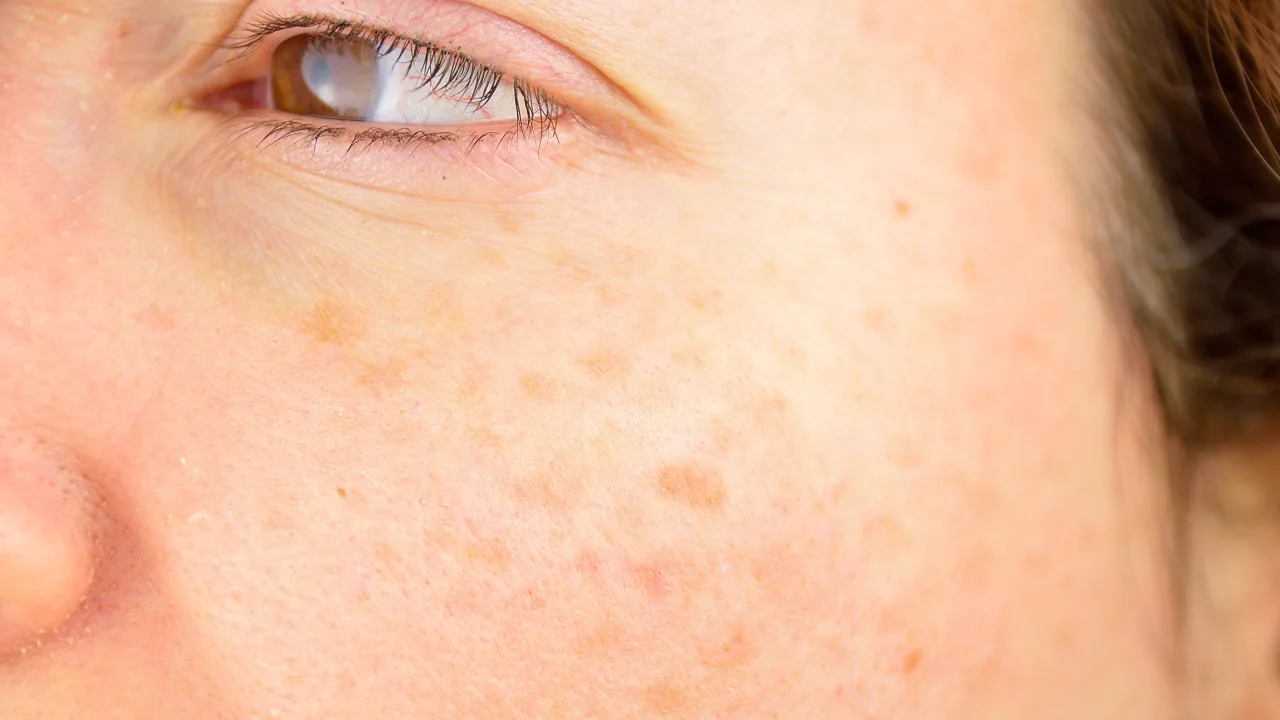
Sunlight is essential for life, providing warmth and helping the body produce vitamin D. However, prolonged and unprotected exposure to ultraviolet (UV) rays can have serious consequences for the skin. Understanding how sun damage affects skin over time is crucial for maintaining a healthy, youthful appearance and preventing long-term complications.
Sun damage doesn’t happen overnight. It is a gradual process that accumulates over years, often becoming visible only later in life. From early pigmentation changes to deep wrinkles and loss of elasticity, the effects can be both cosmetic and medical.
What Causes Sun Damage?
Sun damage is primarily caused by exposure to ultraviolet radiation, which includes:
- UVA rays: Penetrate deep into the skin and contribute to aging
- UVB rays: Affect the outer layer of skin and cause sunburn
Both types of UV rays damage skin cells, break down collagen, and disrupt the skin’s natural repair process. Over time, repeated exposure leads to cumulative damage that affects both the appearance and health of the skin.
Early Signs of Sun Damage
In the initial stages, sun damage may be subtle and easy to overlook. Common early signs include:
- Mild tanning or uneven skin tone
- Freckles or small dark spots
- Dryness and rough texture
These changes may seem harmless, but they indicate that the skin has already begun to experience UV-related stress.
Premature Aging (Photoaging)
One of the most noticeable ways sun damage affects skin over time is through premature aging, also known as photoaging. Unlike natural aging, which occurs gradually, photoaging accelerates visible changes in the skin.
Key effects include:
- Fine lines and wrinkles
- Loss of skin elasticity
- Sagging and thinning skin
- Dull and uneven complexion
UV rays break down collagen and elastin fibers, which are responsible for keeping the skin firm and smooth. As these structures weaken, the skin begins to lose its youthful appearance.
Hyperpigmentation and Dark Spots
Sun exposure stimulates the production of melanin, the pigment responsible for skin color. Over time, this can lead to uneven pigmentation, including:
- Sunspots (age spots)
- Melasma (patchy discoloration)
- Uneven skin tone
These pigmentation issues often appear on areas frequently exposed to the sun, such as the face, neck, hands, and arms.
Skin Texture Changes
Long-term sun damage can significantly alter the skin’s texture. The skin may become:
- Rough and leathery
- Thickened in certain areas
- More prone to visible pores
These changes occur because UV radiation affects the skin’s ability to renew itself, leading to the buildup of damaged cells.
Broken Capillaries and Redness
Chronic sun exposure can weaken blood vessels near the surface of the skin. This may result in:
- Visible red or purple lines (broken capillaries)
- Persistent redness or sensitivity
These changes are often seen on the cheeks and nose and can become more pronounced over time.
Increased Risk of Skin Conditions
Beyond cosmetic concerns, sun damage also increases the risk of serious skin conditions. Long-term UV exposure can damage DNA in skin cells, potentially leading to:
- Precancerous lesions
- Various forms of skin cancer
Regular skin checks and early detection are essential for maintaining skin health, especially for individuals with significant sun exposure history.
The Cumulative Nature of Sun Damage
One of the most important aspects of how sun damage affects skin over time is its cumulative nature. Even small amounts of daily sun exposure add up over the years.
For example:
- Short periods of unprotected exposure during daily activities
- Occasional sunburns in youth
- Lack of consistent sun protection
All contribute to long-term skin damage. This is why prevention should begin early and continue throughout life.
Can Sun Damage Be Reversed?
While some effects of sun damage are permanent, certain treatments can improve the skin’s appearance and health. Options include:
- Topical treatments like retinoids and antioxidants
- Chemical peels to remove damaged layers
- Laser therapy for pigmentation and texture
- Hydrating and restorative skincare routines
These treatments can reduce visible signs of damage, but prevention remains the most effective strategy.
Preventing Sun Damage
Protecting the skin from UV exposure is essential for maintaining long-term health and appearance. Key preventive measures include:
1. Daily Sunscreen Use
Apply broad-spectrum sunscreen with adequate SPF every day, even when it’s cloudy or indoors.
2. Protective Clothing
Wear hats, sunglasses, and clothing that covers exposed skin when spending time outdoors.
3. Avoid Peak Sun Hours
Limit exposure during peak UV hours, typically between 10 AM and 4 PM.
4. Consistent Skincare Routine
Use products that support skin repair, such as moisturizers, antioxidants, and gentle exfoliants.
5. Regular Skin Check-Ups
Monitor changes in the skin and seek professional advice if any unusual spots or changes appear.
The Importance of Early Protection
The earlier you start protecting your skin, the better the long-term results. Children and young adults who adopt sun-safe habits are less likely to experience severe sun damage later in life.
However, it’s never too late to begin. Even in adulthood, consistent protection can prevent further damage and improve overall skin health.
At Dr. Mo Clinic, patients receive expert care in urology, men’s health, dermatology, women’s wellness, and aesthetic medicine. Combining advanced technology with a personalized approach, the clinic offers treatments for sexual health, infertility, hormonal balance, skin rejuvenation, anti-aging, and laser procedures. With experienced specialists and a focus on comfort, privacy, and results, Dr. Mo Clinic ensures high-quality, patient-centered care for optimal health and wellbeing in Dubai.