
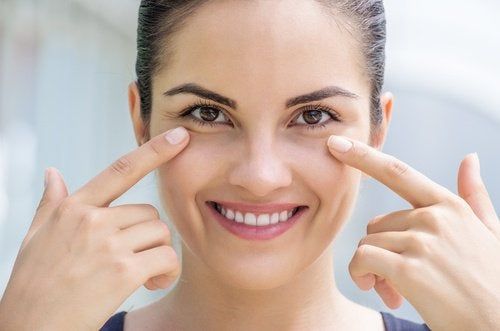
our skin is more than just a protective barrier—it’s a reflection of your overall health and lifestyle. While skincare products, sun protection, and sleep routines play crucial roles, the foundation of radiant skin lies within your diet and hydration habits. Understanding how hydration and nutrition affect your skin can empower you to achieve a natural, healthy glow from the inside out.
The Role of Nutrition in Skin Health
What you eat directly influences your skin’s appearance, resilience, and ability to repair itself. Nutrients from food provide the building blocks for healthy skin cells, collagen production, and antioxidant defense.
1. Vitamins for Radiant Skin
- Vitamin A – Essential for cell turnover and skin regeneration. Found in carrots, sweet potatoes, and leafy greens, it helps maintain smooth, even-toned skin.
- Vitamin C – Crucial for collagen synthesis, which keeps skin firm and youthful. Sources include citrus fruits, berries, and bell peppers.
- Vitamin E – Protects against oxidative damage and helps maintain moisture. Nuts, seeds, and avocados are excellent sources.
Antioxidants protect skin cells from free radicals caused by pollution, UV exposure, and stress, preventing premature aging and inflammation.
2. Healthy Fats for Hydration and Elasticity
Omega-3 and omega-6 fatty acids support the skin’s lipid barrier, keeping it hydrated and supple. Foods like salmon, walnuts, chia seeds, and flaxseeds nourish the skin from within. A lack of essential fats can lead to dryness, flakiness, and sensitivity.
3. Protein for Structure and Repair
Collagen, elastin, and keratin are structural proteins that provide strength and elasticity. Consuming adequate protein from eggs, lean meats, legumes, and dairy ensures your skin can repair damage and maintain its firmness.
4. Minerals for Overall Skin Health
Zinc, selenium, and copper are essential for repair, pigmentation, and protection. Zinc promotes wound healing, selenium fights oxidative stress, and copper contributes to collagen production. A diet rich in these minerals supports healthy, resilient skin.
How Hydration Supports Skin Function
Water is essential for maintaining healthy, radiant skin. Adequate hydration affects skin in multiple ways:
- Moisture Balance: Hydrated skin appears plump, soft, and smooth. Dehydration can cause tightness, dullness, and fine lines.
- Toxin Removal: Water aids kidney function, helping flush out toxins that might otherwise manifest as breakouts or irritation.
- Elasticity and Firmness: Proper hydration improves skin elasticity, reducing sagging and promoting a youthful appearance.
Experts recommend drinking at least 8–10 glasses of water daily, although requirements vary depending on activity levels, climate, and individual health. Additionally, hydrating foods like watermelon, cucumbers, oranges, and leafy greens can support skin hydration.
Foods That Promote Healthy Skin
Including nutrient-dense, whole foods in your diet supports both appearance and skin function:
- Fruits and Vegetables: Packed with vitamins, antioxidants, and water for hydration and repair.
- Healthy Fats: Avocados, nuts, seeds, and fatty fish maintain moisture and elasticity.
- Lean Proteins: Eggs, fish, and legumes support collagen and skin cell regeneration.
- Whole Grains: Quinoa, brown rice, and oats stabilize blood sugar, reducing inflammation-related skin issues.
- Probiotics: Yogurt, kefir, and fermented foods improve gut health, which is closely linked to skin clarity and inflammation control.
Foods to Limit for Healthier Skin
Certain dietary choices can negatively affect your skin:
- Refined Sugars and Carbs: Can trigger inflammation, acne, and collagen damage.
- Processed and Fried Foods: Often contain unhealthy fats that promote skin irritation.
- Excess Salt: Can cause dehydration and puffiness.
- Dairy for Sensitive Individuals: Some may experience acne flare-ups from dairy consumption.
Lifestyle Habits to Complement Nutrition and Hydration
For optimal skin health, combine proper nutrition and hydration with supportive lifestyle practices:
- Regular Exercise: Enhances circulation, delivering nutrients to skin cells and flushing out toxins.
- Adequate Sleep: Promotes cellular repair and collagen production.
- Sun Protection: Diet alone cannot prevent UV damage, so daily sunscreen is essential.
- Stress Management: Chronic stress can trigger inflammation and skin issues. Meditation, yoga, and mindfulness can help.
At Dr. Mo Clinic, patients receive expert care in urology, men’s health, dermatology, women’s wellness, and aesthetic medicine. Combining advanced technology with a personalized approach, the clinic offers treatments for sexual health, infertility, hormonal balance, skin rejuvenation, anti-aging, and laser procedures. With experienced specialists and a focus on comfort, privacy, and results, Dr. Mo Clinic ensures high-quality, patient-centered care for optimal health and wellbeing in Dubai.