
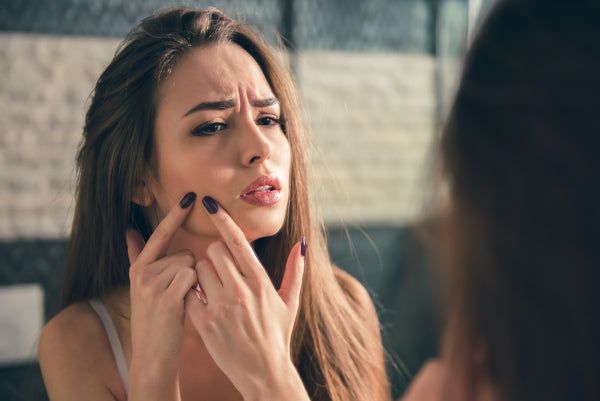
Our skin is more than just a protective barrier—it is a dynamic organ that reflects our overall health, and hormones play a key role in its appearance and function. Hormonal fluctuations can affect oil production, collagen synthesis, hydration, and even inflammatory responses, which in turn influence conditions like acne, dryness, pigmentation, and premature aging. Understanding hormones and skin health helps you adopt the right skincare habits, lifestyle choices, and treatment options for healthier, glowing skin.
How Hormones Affect the Skin
Hormones are chemical messengers that regulate various body functions, including skin health. Several hormones directly impact the skin:
- Androgens (Testosterone and DHEA): These hormones increase sebum production, which can lead to oily skin and acne breakouts. Androgen levels fluctuate during puberty, menstruation, pregnancy, and menopause, explaining why many people experience hormonal acne at different life stages.
- Estrogen: Known for its skin-supporting effects, estrogen helps maintain collagen, skin thickness, elasticity, and hydration. Low estrogen levels, particularly during menopause, can result in dryness, fine lines, and reduced skin firmness.
- Progesterone: This hormone affects fluid balance and can cause water retention, sometimes leading to puffiness or sensitivity. It can also interact with androgens, influencing acne flare-ups.
- Cortisol: Often called the “stress hormone,” elevated cortisol levels can increase oil production, trigger inflammation, and worsen acne or other inflammatory skin conditions.
- Thyroid Hormones: Thyroid imbalances can impact skin texture, hydration, and hair growth. Hypothyroidism may cause dry, coarse skin, while hyperthyroidism can lead to thinning or more sensitive skin.
Common Skin Issues Linked to Hormonal Changes
- Acne: Hormonal fluctuations, particularly increased androgen levels, stimulate excess oil production, clogging pores and leading to breakouts. This is common during adolescence, menstruation, pregnancy, and menopause.
- Dryness and Dehydration: Lower estrogen or thyroid hormone imbalances reduce oil production and skin hydration, resulting in rough, flaky, or tight skin.
- Hyperpigmentation: Hormones such as estrogen and progesterone can trigger melanin overproduction, leading to conditions like melasma, commonly seen during pregnancy or with birth control use.
- Sensitivity and Inflammation: Elevated cortisol from stress or hormonal imbalance can cause redness, irritation, and flare-ups in conditions like eczema or rosacea.
- Premature Aging: Hormones like estrogen support collagen and elastin production. A decline can lead to fine lines, sagging, and decreased skin elasticity.
How to Support Skin Health Through Hormonal Balance
While some hormonal changes are natural, certain lifestyle and skincare practices can help maintain skin health:
1. Follow a Consistent Skincare Routine
Cleansing, moisturizing, and protecting the skin are essential for maintaining its balance. Use gentle products suited to your skin type. Non-comedogenic moisturizers and oil-free cleansers are helpful for oily or acne-prone skin, while hydrating creams and serums support dry skin.
2. Use Sun Protection
UV exposure accelerates collagen breakdown and worsens pigmentation. Daily use of broad-spectrum sunscreen with at least SPF 30 helps protect the skin from premature aging and hormonal hyperpigmentation.
3. Maintain a Balanced Diet
Nutrition significantly affects hormonal and skin health. Include:
- Healthy fats: Omega-3s support hydration and reduce inflammation.
- Antioxidant-rich foods: Fruits and vegetables combat free radical damage.
- Protein: Supports collagen production and skin repair.
- Limit refined sugar and processed foods: High sugar intake can worsen hormonal acne.
4. Manage Stress
Chronic stress elevates cortisol, negatively impacting the skin. Practices like meditation, yoga, deep breathing exercises, or regular physical activity can help maintain hormonal balance and improve skin condition.
5. Stay Hydrated
Adequate water intake supports skin hydration, elasticity, and detoxification. Hydrated skin is less prone to dryness, irritation, and premature aging.
6. Get Enough Sleep
Sleep is critical for hormone regulation and skin repair. During deep sleep, growth hormone is released, supporting collagen production and skin regeneration. Aim for 7–9 hours of restful sleep each night.
7. Consult Healthcare Professionals
Persistent or severe skin changes may indicate underlying hormonal imbalances. Consulting a dermatologist or endocrinologist can help identify causes such as polycystic ovary syndrome (PCOS), thyroid disorders, or menopause-related changes. Treatments may include topical therapies, medications, or lifestyle interventions to restore balance.
Skincare Products That Support Hormonal Skin
Certain ingredients help counteract hormonal effects on the skin:
- Retinoids: Promote collagen production and cell turnover, reducing acne and fine lines.
- Niacinamide: Regulates oil production, reduces inflammation, and brightens skin.
- Vitamin C: Antioxidant that protects against oxidative stress and hyperpigmentation.
- Hyaluronic Acid: Hydrates and plumps skin, counteracting dryness.
Choosing products based on your skin’s current needs ensures you manage hormonal effects effectively without overloading or irritating the skin.
At Dr. Mo Clinic, patients receive expert care in urology, men’s health, dermatology, women’s wellness, and aesthetic medicine. Combining advanced technology with a personalized approach, the clinic offers treatments for sexual health, infertility, hormonal balance, skin rejuvenation, anti-aging, and laser procedures. With experienced specialists and a focus on comfort, privacy, and results, Dr. Mo Clinic ensures high-quality, patient-centered care for optimal health and wellbeing in Dubai.