
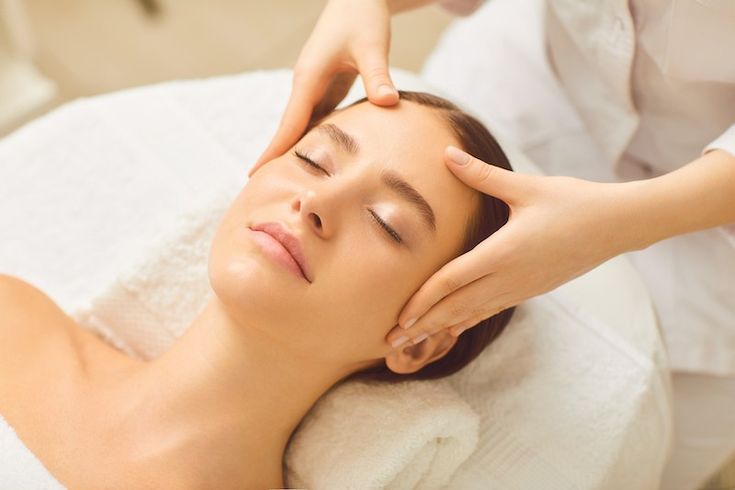
In today’s fast-paced lifestyle, stress and lack of sleep have become increasingly common. While many people are aware of how these factors affect overall health, fewer realize their significant impact on appearance. How stress and sleep affect your skin and hair health is an important topic, especially for those seeking a natural glow and strong, healthy hair.
Your skin and hair often reflect what’s happening inside your body. When stress levels rise or sleep quality declines, it can lead to visible changes that affect your confidence and well-being.
The Connection Between Stress and Skin Health
Stress triggers the release of hormones like cortisol, which can disrupt the balance of your body. Elevated cortisol levels may lead to increased oil production in the skin, resulting in clogged pores and breakouts.
Chronic stress is also linked to conditions such as acne, eczema, and psoriasis. These conditions can worsen during stressful periods, making proper stress management essential for maintaining clear skin.
Additionally, stress weakens the skin’s natural barrier, making it more sensitive and prone to irritation. This can lead to redness, dryness, and a dull complexion.
How Stress Impacts Hair Health
Stress doesn’t just affect your skin—it also plays a major role in hair health. One common condition associated with stress is telogen effluvium, where hair prematurely enters the shedding phase.
High stress levels can also contribute to:
- Increased hair fall
- Slower hair growth
- Weakened hair strands
- Scalp issues such as dryness or oil imbalance
In severe cases, stress may even trigger conditions like alopecia areata, where the immune system attacks hair follicles.
The Role of Sleep in Skin Health
Sleep is often referred to as “beauty rest” for a reason. During sleep, the body repairs and regenerates skin cells. Poor sleep can disrupt this process, leading to visible signs of fatigue.
Lack of sleep may result in:
- Dark circles under the eyes
- Puffy eyelids
- Dull and uneven skin tone
- Increased fine lines and wrinkles
When you don’t get enough rest, blood flow to the skin decreases, making your complexion appear tired and less vibrant.
How Sleep Affects Hair Growth
Healthy hair growth depends on proper rest. During deep sleep, the body releases growth hormones that help repair tissues and promote hair follicle health.
Insufficient sleep can lead to:
- Reduced hair growth rate
- Increased hair shedding
- Weaker hair structure
Over time, chronic sleep deprivation can disrupt the natural hair growth cycle, leading to noticeable thinning.
The Combined Effect of Stress and Poor Sleep
Stress and sleep are closely connected. High stress can make it difficult to sleep, and lack of sleep can increase stress levels. This cycle can have a compounded effect on your skin and hair.
For example, stress-induced hormonal imbalances combined with poor sleep can accelerate skin aging, worsen breakouts, and increase hair fall. Understanding how stress and sleep affect your skin and hair health helps in breaking this cycle and restoring balance.
Tips to Manage Stress for Better Skin and Hair
Reducing stress can significantly improve both skin and hair health. Here are some practical strategies:
Practice Relaxation Techniques
Activities such as meditation, deep breathing, and yoga can help lower stress levels and improve overall well-being.
Stay Physically Active
Regular exercise boosts blood circulation, delivering essential nutrients to the skin and scalp.
Maintain a Balanced Diet
Eating foods rich in vitamins, minerals, and antioxidants supports healthy skin and hair from within.
Take Breaks and Set Boundaries
Managing workload and taking regular breaks can prevent burnout and reduce stress-related damage.
Tips to Improve Sleep Quality
Better sleep leads to healthier skin and hair. Consider these habits:
Maintain a Consistent Sleep Schedule
Going to bed and waking up at the same time each day helps regulate your body’s internal clock.
Create a Relaxing Night Routine
Reading, gentle stretching, or listening to calming music can prepare your body for restful sleep.
Limit Screen Time Before Bed
Exposure to screens can interfere with melatonin production, making it harder to fall asleep.
Ensure a Comfortable Sleep Environment
A cool, dark, and quiet room promotes deeper and uninterrupted sleep.
Skincare and Haircare Support
While managing stress and sleep is essential, a good skincare and haircare routine can enhance results:
- Use gentle, hydrating skincare products
- Avoid harsh chemicals that can irritate the skin or scalp
- Keep your scalp clean and nourished
- Protect your skin from excessive sun exposure
Combining internal wellness with external care creates a holistic approach to beauty.
When to Seek Professional Help
If you notice persistent skin issues or excessive hair loss despite lifestyle changes, it may be helpful to consult a professional. Early intervention can prevent conditions from worsening and ensure proper treatment.
At Dr. Mo Clinic, patients receive expert care in urology, men’s health, dermatology, women’s wellness, and aesthetic medicine. Combining advanced technology with a personalized approach, the clinic offers treatments for sexual health, infertility, hormonal balance, skin rejuvenation, anti-aging, and laser procedures. With experienced specialists and a focus on comfort, privacy, and results, Dr. Mo Clinic ensures high-quality, patient-centered care for optimal health and wellbeing in Dubai.