
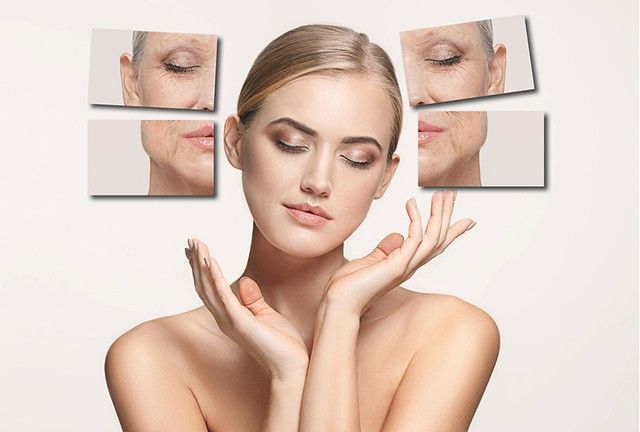
Aging is a natural part of life, and it brings noticeable changes to both hair and skin. While genetics play a significant role in how we age, lifestyle factors, diet, and environmental exposure also influence the pace and severity of these changes. Understanding aging and its effects on hair and skin can help you take proactive measures to maintain a healthy, youthful appearance for as long as possible.
How Aging Impacts the Skin
Skin is the largest organ in the body, and it undergoes a variety of changes as we age. These changes occur due to a combination of intrinsic factors, such as genetics and hormonal shifts, and extrinsic factors, such as sun exposure, pollution, and lifestyle habits.
1. Loss of Elasticity and Collagen
Collagen and elastin are proteins that provide structure and elasticity to the skin. With age, the production of these proteins decreases, resulting in sagging, fine lines, and wrinkles. Areas like the face, neck, and hands are particularly susceptible to these changes.
2. Thinning of the Skin
As we get older, the skin’s outer layer (epidermis) becomes thinner, making it more fragile and prone to bruising and tearing. This thinning also contributes to a dull complexion and increases sensitivity to external factors.
3. Dryness and Reduced Oil Production
Sebaceous glands produce less oil with age, which can lead to dryness, flakiness, and a rough texture. Proper hydration and moisturizing are essential to counteract these effects.
4. Hyperpigmentation and Age Spots
Over time, cumulative sun exposure can cause dark spots, uneven skin tone, and hyperpigmentation. These blemishes, often referred to as age spots or liver spots, typically appear on sun-exposed areas like the face, hands, and arms.
5. Slower Healing and Reduced Protection
Aging skin has a slower regenerative capacity and weaker barrier function, which means cuts, wounds, and irritations heal more slowly. The skin is also more susceptible to damage from UV rays and environmental pollutants.
How Aging Affects Hair
Hair also experiences significant changes as we age, affecting texture, color, density, and growth patterns.
1. Graying Hair
One of the most visible signs of aging is hair turning gray or white. This occurs because pigment-producing cells, called melanocytes, gradually lose their ability to produce melanin. Genetics largely determine when graying begins, but stress and lifestyle factors can accelerate it.
2. Hair Thinning and Loss
Hair density decreases over time due to hormonal changes, genetics, and reduced blood flow to hair follicles. Thinning hair is common in both men and women, though patterns of hair loss may differ. Men often experience receding hairlines, while women may notice diffuse thinning across the scalp.
3. Changes in Texture
Hair strands may become finer, drier, and more brittle with age. This change in texture can make styling more difficult and contribute to a less voluminous appearance.
4. Slower Hair Growth
The rate of hair growth naturally slows as we age. Combined with thinning and texture changes, this can make hair appear sparse and less vibrant.
Factors That Accelerate Aging in Hair and Skin
While aging is inevitable, certain factors can accelerate its effects:
- Sun Exposure: UV radiation damages collagen and accelerates pigmentation changes.
- Smoking: Reduces blood flow and damages skin elasticity, contributing to wrinkles and dullness.
- Poor Nutrition: Lack of essential vitamins, minerals, and proteins can affect skin health and hair growth.
- Stress: Chronic stress impacts hormone levels and can accelerate hair loss and skin aging.
- Lack of Sleep: Inadequate rest affects skin regeneration and contributes to dark circles and dullness.
Tips for Maintaining Healthy Hair and Skin as You Age
Although aging cannot be stopped, proactive care can slow its visible effects and improve overall skin and hair health:
1. Protect Your Skin from the Sun
Use broad-spectrum sunscreen daily, wear protective clothing, and avoid prolonged sun exposure to prevent age spots, wrinkles, and premature skin damage.
2. Maintain a Balanced Diet
Consume foods rich in antioxidants, vitamins, and healthy fats. Vitamins A, C, D, and E, along with omega-3 fatty acids, support collagen production, skin elasticity, and hair health.
3. Stay Hydrated
Adequate water intake keeps skin hydrated, improves elasticity, and prevents dryness. Hydration is also essential for overall hair health.
4. Follow a Skincare Routine
Cleansing, moisturizing, and using targeted treatments such as retinoids, hyaluronic acid, and antioxidants can reduce fine lines, improve texture, and maintain skin resilience.
5. Care for Your Hair
Use gentle shampoos, conditioners, and avoid excessive heat styling. Scalp massages can improve blood flow and support hair growth, while protein treatments can strengthen strands.
6. Manage Stress and Sleep
Prioritize 7–9 hours of quality sleep per night and incorporate stress-reduction practices such as meditation, yoga, or mindfulness exercises. Both are crucial for healthy skin and hair.
At Dr. Mo Clinic, patients receive expert care in urology, men’s health, dermatology, women’s wellness, and aesthetic medicine. Combining advanced technology with a personalized approach, the clinic offers treatments for sexual health, infertility, hormonal balance, skin rejuvenation, anti-aging, and laser procedures. With experienced specialists and a focus on comfort, privacy, and results, Dr. Mo Clinic ensures high-quality, patient-centered care for optimal health and wellbeing in Dubai.