
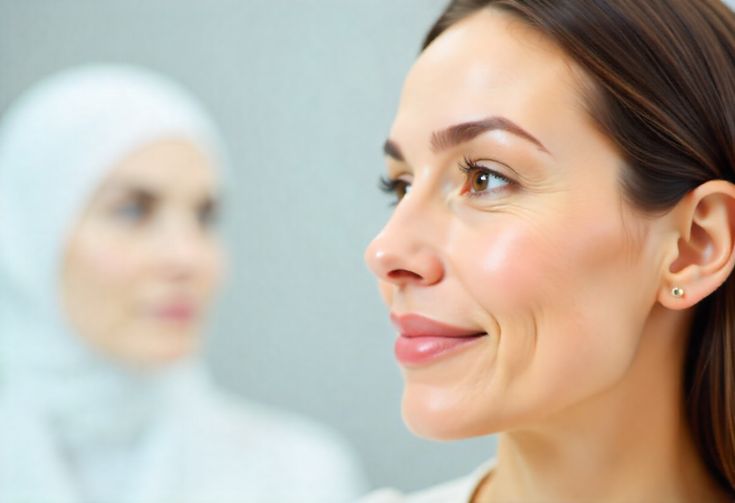
Modern dermatology focuses on maintaining healthy skin, treating medical conditions, and preventing long-term damage. While traditional dermatological care addresses concerns like acne, eczema, psoriasis, and skin infections, aesthetic treatments play a complementary role in enhancing skin appearance, texture, and overall confidence. Combining dermatology with aesthetic procedures offers a holistic approach to skin health and rejuvenation.
Bridging the Gap Between Health and Beauty
Dermatology primarily focuses on medical and preventive care, while aesthetic treatments enhance appearance and cosmetic outcomes. By integrating both approaches, patients benefit from healthy, functional skin that also looks vibrant and youthful. For example:
- Treating acne medically prevents scarring and inflammation, while aesthetic procedures can address residual marks and uneven texture.
- Managing pigmentation disorders medically can be complemented by laser treatments or chemical peels to improve overall tone.
- Strengthening the skin barrier with dermatologist-recommended topical care ensures better results from aesthetic interventions.
This combination ensures that skin is both healthy and beautiful, addressing both internal and external concerns.
Aesthetic Treatments That Complement Dermatology
1. Chemical Peels
Chemical peels remove the outer layers of damaged skin, promoting regeneration. Dermatologists often use peels to:
- Reduce acne scars and post-inflammatory hyperpigmentation
- Improve uneven skin tone caused by melasma or sun damage
- Enhance the absorption and effectiveness of medical topical treatments
By combining chemical peels with prescribed dermatological products, patients can achieve faster and more noticeable results.
2. Laser and Light-Based Treatments
Lasers and IPL (Intense Pulsed Light) treatments are versatile tools that complement dermatology by targeting:
- Pigmentation irregularities
- Broken capillaries and redness
- Acne scars and textural issues
For instance, after dermatological acne management, laser resurfacing can smooth residual scarring, creating a healthier and more uniform appearance. Similarly, patients with rosacea can benefit from IPL treatments alongside medical management to reduce visible redness.
3. Microneedling
Microneedling stimulates collagen and elastin production, improving skin texture and firmness. When used alongside dermatology:
- It enhances the healing of acne scars after active acne treatment
- Improves the appearance of fine lines and early wrinkles
- Boosts the effectiveness of topical dermatological serums
This combination approach addresses both the cause of the skin concern and its visible effects.
4. Dermal Fillers and Botox
Dermal fillers and neuromodulators like Botox complement dermatology by addressing age-related changes that cannot be corrected with medical treatment alone. For example:
- Fillers can restore volume lost due to aging or scarring
- Botox can reduce dynamic wrinkles caused by repeated muscle movement
Integrating these treatments with dermatological care ensures that the skin is not only medically healthy but also youthful and balanced in appearance.
5. Non-Surgical Skin Tightening
Procedures using radiofrequency or ultrasound energy stimulate collagen production and tighten sagging skin. These treatments complement dermatological efforts by:
- Enhancing elasticity after acne scar treatment
- Improving texture and firmness following laser or chemical peel therapy
- Supporting long-term skin health and appearance
Benefits of Combining Dermatology with Aesthetic Treatments
Holistic Approach
A combined approach addresses both medical and cosmetic concerns, creating healthier and more aesthetically pleasing skin.
Faster, More Noticeable Results
Aesthetic procedures often accelerate the visible improvement achieved through dermatological treatments, enhancing patient satisfaction.
Preventive Care
Regular dermatological follow-up ensures early detection of skin issues, while aesthetic treatments maintain skin quality and youthful appearance, providing a preventive advantage.
Personalized Treatments
Integrating both fields allows practitioners to tailor treatments to individual skin types, concerns, and goals, maximizing results and minimizing risks.
Important Considerations
While combining aesthetic treatments with dermatology offers many benefits, it’s essential to:
- Consult with qualified dermatologists and certified aesthetic professionals
- Follow a customized treatment plan based on skin type, age, and medical history
- Prioritize skin health before pursuing cosmetic enhancements
Proper timing, sequencing, and post-treatment care are key to achieving safe and lasting results.
Aesthetic treatments and dermatology work hand-in-hand to provide comprehensive skin care. Dermatology ensures that the skin is medically healthy, addressing underlying issues like acne, pigmentation, or inflammation. Aesthetic treatments enhance appearance, texture, and tone, complementing dermatological care for optimal results.
By integrating medical and cosmetic approaches, patients can achieve skin that is not only healthy but also radiant, youthful, and balanced. This holistic strategy empowers individuals to maintain long-term skin health while enjoying the confidence that comes with a refreshed and rejuvenated appearance.