
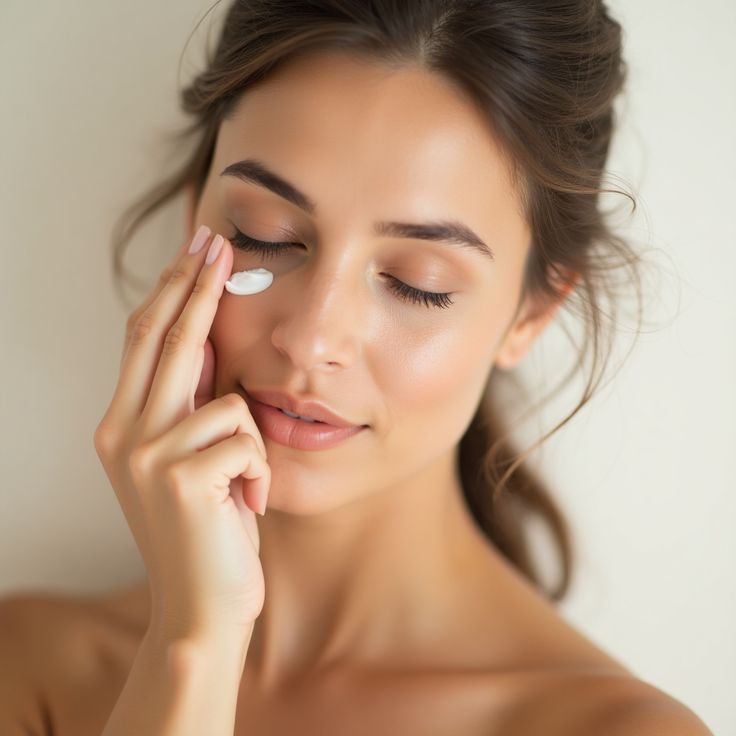
Dark circles and puffy eyes are among the most common cosmetic concerns affecting both men and women. While occasional puffiness or discoloration may be temporary, persistent under-eye issues can impact appearance and self-confidence. Fortunately, modern dermatology provides a wide array of safe and effective treatments that target the underlying causes and restore a brighter, youthful look.
Understanding Dark Circles and Puffy Eyes
Before exploring treatments, it’s important to understand what causes these concerns.
Causes of Dark Circles
Dark circles appear when the skin beneath the eyes becomes darker than the surrounding area. Common causes include:
- Genetics: Thin under-eye skin or prominent blood vessels can make the area appear shadowed, often running in families.
- Aging: Loss of collagen and fat leads to thinning skin, making veins and shadows more visible.
- Pigmentation: Sun exposure, hormonal changes, or skin irritation can increase melanin and worsen dark circles.
- Lifestyle Factors: Sleep deprivation, stress, excessive alcohol intake, smoking, and poor diet can intensify discoloration.
- Medical Conditions: Allergies, eczema, and sinus problems can also darken the under-eye area.
Causes of Puffy Eyes
Puffiness, or under-eye bags, occurs due to fluid retention, fat protrusion, or weakened muscles around the eyes. Contributing factors include:
- Aging, which leads to sagging skin and fat displacement
- Excess salt intake causing water retention
- Allergies or sinus congestion
- Lack of sleep or chronic fatigue
- Genetic predisposition
Understanding the cause is essential, as it guides the most effective treatment approach.
Modern Treatments for Dark Circles
1. Topical Treatments
For mild dark circles, dermatologists often recommend topical creams:
- Retinoids: Stimulate collagen production, thickening the skin to reduce the appearance of shadows.
- Vitamin C Serums: Lighten pigmentation and brighten the under-eye area.
- Caffeine-Infused Creams: Constrict blood vessels, reducing darkness and puffiness.
Consistency is key, and results typically appear after several weeks of daily application.
2. Chemical Peels
Mild chemical peels, such as glycolic acid or lactic acid peels, exfoliate the skin, reduce pigmentation, and promote cell turnover. Medium-strength peels can target more stubborn discoloration, though they require a longer recovery period.
3. Laser Therapy
Laser treatments are highly effective for stubborn pigmentation and thinning under-eye skin:
- Fractional Lasers: Resurface the skin and stimulate collagen production, improving texture and brightness.
- Q-Switched Lasers: Target excess pigmentation, reducing the appearance of dark circles caused by melanin buildup.
Laser therapy often requires multiple sessions, with gradual improvement after each session.
4. Dermal Fillers
Hyaluronic acid fillers can correct hollows under the eyes, which often cast shadows that appear as dark circles. Fillers provide immediate results that can last 6–12 months, depending on the product used.
5. Platelet-Rich Plasma (PRP) Therapy
PRP involves using your own plasma, rich in growth factors, to rejuvenate the under-eye skin. It improves pigmentation, elasticity, and texture naturally over several sessions, offering long-term improvement without synthetic products.
Effective Treatments for Puffy Eyes
Puffiness can often be improved with lifestyle adjustments, topical solutions, and medical procedures.
1. Lifestyle Adjustments
Simple changes can significantly reduce puffiness:
- Adequate Sleep: Ensures proper fluid drainage and reduces swelling.
- Hydration: Helps prevent fluid retention that causes puffiness.
- Diet: Limiting salt intake can reduce water retention around the eyes.
- Cold Compresses: Applying a cold pack or chilled spoons temporarily reduces swelling.
2. Topical Treatments
- Caffeine-Based Creams: Reduce fluid retention and improve under-eye circulation.
- Peptides and Hyaluronic Acid: Increase skin firmness and elasticity, making puffiness less noticeable.
3. Medical and Cosmetic Procedures
- Laser and Radiofrequency Treatments: Tighten loose under-eye skin and stimulate collagen production.
- Microneedling: Improves skin texture and mild puffiness by boosting collagen.
- Lower Eyelid Surgery (Blepharoplasty): A surgical option for removing excess fat or skin, offering a permanent solution for significant puffiness or under-eye bags.
4. Combination Treatments
For optimal results, dermatologists often recommend combining treatments. For example, fillers can correct hollows causing shadows, while laser therapy or chemical peels address pigmentation. Topical treatments can maintain results and prevent recurrence.
Preventive Measures for Healthy Under-Eyes
- Apply broad-spectrum sunscreen to prevent pigmentation.
- Avoid rubbing or touching the eyes excessively.
- Maintain a consistent skincare routine with moisturizers and eye creams.
- Manage allergies, sinus issues, and other underlying health concerns promptly.
When to Consult a Dermatologist
Persistent dark circles or puffy eyes may require professional intervention. A dermatologist can:
- Diagnose the root cause accurately (vascular, pigmentation, structural, or lifestyle-related)
- Create a personalized treatment plan
- Minimize risks and complications associated with cosmetic procedures
Dark circles and puffy eyes are common yet manageable cosmetic concerns. Advances in modern dermatology, including topical treatments, chemical peels, laser therapy, dermal fillers, PRP, and surgical options, offer effective solutions tailored to individual needs. Combined with preventive care, lifestyle adjustments, and consistent skincare, these treatments can restore a bright, youthful, and refreshed appearance, improving both confidence and overall well-being.