
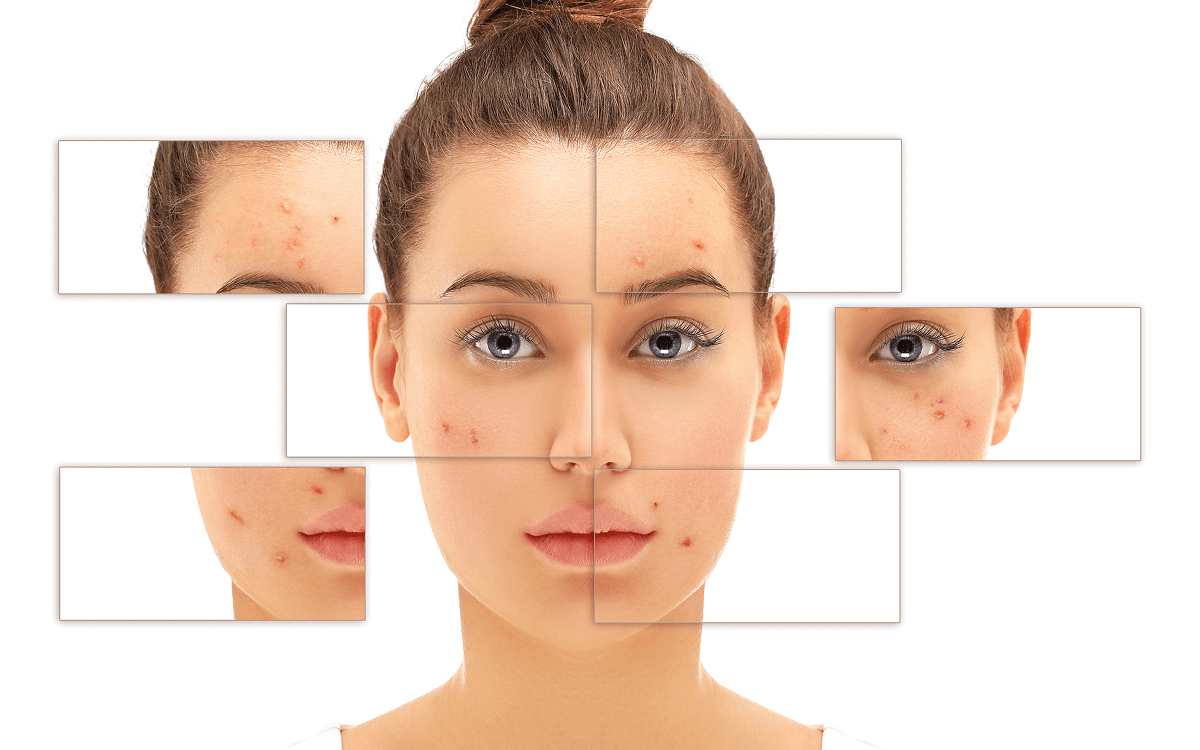
Hyperpigmentation is a common skin concern that affects people of all ages and skin types. It appears as dark patches, spots, or uneven skin tone caused by excess melanin production. While generally harmless, hyperpigmentation can be frustrating, impacting confidence and self-esteem. Understanding the causes, types, and modern treatment options can help you achieve a clearer, more even complexion.
What Is Hyperpigmentation?
Hyperpigmentation occurs when the skin produces more melanin, the pigment responsible for skin color. This overproduction can result in patches or spots that are darker than the surrounding skin. Hyperpigmentation can be triggered by multiple factors, including sun exposure, hormonal changes, inflammation, and certain medications.
Common Causes of Hyperpigmentation
1. Sun Exposure
The most common cause of hyperpigmentation is UV radiation from the sun. UV rays stimulate melanin production as a natural defense mechanism, leading to sunspots, freckles, and uneven skin tone. People with lighter skin tones may notice sun-induced spots more prominently, while darker skin tones can develop more pronounced patches over time.
2. Hormonal Changes
Hormonal fluctuations can trigger melasma, a type of hyperpigmentation that often appears on the cheeks, forehead, and upper lip. Common triggers include:
Pregnancy (“mask of pregnancy”)
Birth control pills or hormone replacement therapy
Polycystic ovary syndrome (PCOS)
Melasma can be stubborn and may darken with sun exposure if left untreated.
3. Post-Inflammatory Hyperpigmentation (PIH)
PIH occurs when the skin darkens after an injury, inflammation, or skin condition. Common triggers include:
Acne
Eczema or dermatitis
Cuts, burns, or surgical scars
This type of hyperpigmentation is more common in individuals with medium to darker skin tones.
4. Medications and Medical Conditions
Certain medications, such as chemotherapy drugs, antibiotics, or anti-seizure medications, can cause skin darkening as a side effect. Some medical conditions, like Addison’s disease or hemochromatosis, may also contribute to hyperpigmentation.
5. Aging
As we age, age spots or liver spots may appear due to cumulative sun exposure and slower skin regeneration, contributing to uneven skin tone.
Types of Hyperpigmentation
Understanding the type of hyperpigmentation is crucial for effective treatment:
Sunspots (Solar Lentigines): Result from prolonged sun exposure.
Melasma: Hormone-induced patches, often symmetrical on the face.
Post-Inflammatory Hyperpigmentation (PIH): Dark spots following skin injury or inflammation.
Freckles: Small, naturally occurring pigment spots, often genetic.
Each type requires a tailored approach to treatment and prevention.
Treatable Options for Hyperpigmentation
Modern dermatology offers a variety of treatments to reduce hyperpigmentation safely and effectively. The choice depends on the type, severity, and skin type of the patient.
1. Topical Treatments
Topical agents are often the first line of treatment:
Hydroquinone: A powerful pigment-lightening agent that inhibits melanin production.
Retinoids (Tretinoin, Adapalene): Promote cell turnover and help fade dark spots.
Vitamin C: A natural antioxidant that brightens skin and reduces free radical damage.
Azelaic Acid: Reduces pigmentation and calms inflammation.
Niacinamide: Improves skin barrier function and lightens dark spots.
Consistency and patience are key, as results may take several weeks to months.
2. Chemical Peels
Chemical peels involve applying a solution that exfoliates the top layer of skin, promoting regeneration of new, evenly pigmented skin. Mild peels may improve superficial pigmentation, while deeper peels can target stubborn spots and sun damage.
3. Laser Treatments
Laser therapies can target and break down excess melanin in specific areas. Common options include:
Q-switched lasers for dark spots
Fractional lasers for deeper pigmentation and texture improvement
Intense Pulsed Light (IPL) therapy for sun-induced pigmentation
Laser treatments are often combined with topical care for optimal results.
4. Microneedling
Microneedling stimulates collagen production and skin regeneration, which can help lighten post-inflammatory pigmentation and improve overall skin texture. It is often combined with serums like Vitamin C for enhanced brightening effects.
5. Sun Protection
Regardless of treatment, sun protection is critical in preventing hyperpigmentation from worsening. Daily use of broad-spectrum sunscreen with SPF 30 or higher helps protect the skin from UV damage and maintain treatment results.
6. Lifestyle and Skincare Adjustments
Avoid picking or scratching at acne or blemishes to reduce PIH.
Maintain a gentle skincare routine to prevent irritation.
Eat a diet rich in antioxidants to support skin health.
When to See a Dermatologist
Persistent, worsening, or unusual pigmentation should be evaluated by a dermatologist. Professional assessment ensures accurate diagnosis, identifies underlying causes, and provides safe, effective treatment options. Some hyperpigmentation may indicate medical conditions that require additional care.