
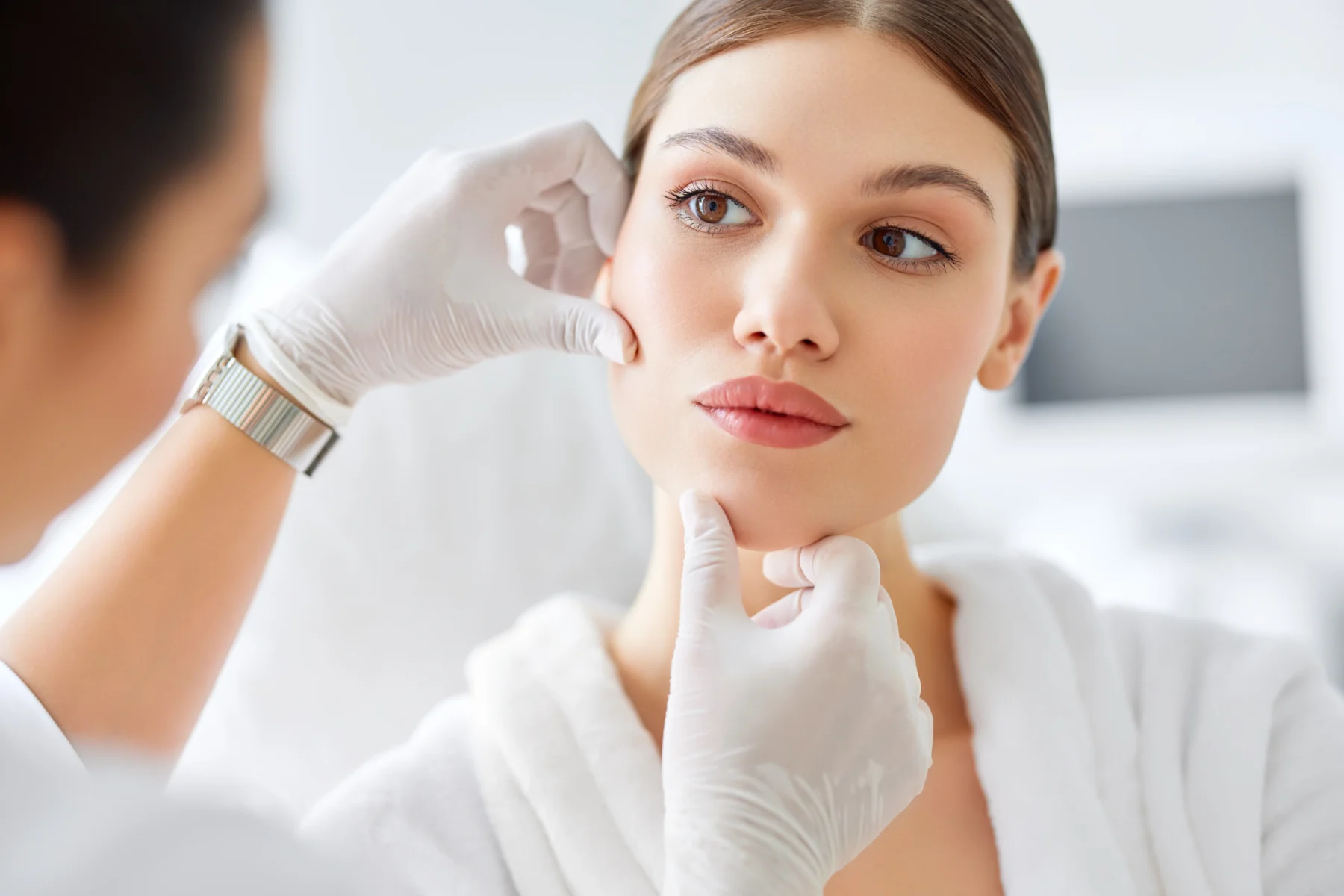
Healthy skin is a reflection of overall wellness and plays a crucial role in confidence, appearance, and protection against environmental stressors. Dermatology, the branch of medicine dedicated to the skin, hair, and nails, provides specialized care to maintain, enhance, and restore skin health. Whether addressing medical conditions, preventing future issues, or offering aesthetic treatments, dermatology plays a pivotal role in achieving radiant, resilient skin.
What Is Dermatology?
Dermatology is a medical specialty focused on diagnosing, treating, and preventing disorders of the skin, hair, and nails. Dermatologists are trained to identify a wide range of conditions, from acne and eczema to hair loss and skin cancers. Beyond treatment, dermatology emphasizes preventive care and personalized strategies to support long-term skin health.
By combining medical expertise with advanced technologies, dermatologists can not only treat existing issues but also help prevent potential problems, ensuring healthier skin at every stage of life.
How Dermatology Treats Skin Conditions
One of the most significant ways dermatology improves skin health is through the treatment of common and complex skin conditions.
1. Acne and Breakouts
Acne is a widespread condition that affects both teenagers and adults. Dermatologists can provide targeted treatments, including prescription medications, topical therapies, and professional procedures, to reduce breakouts, prevent scarring, and restore smooth, clear skin.
2. Eczema and Psoriasis
Chronic inflammatory skin conditions like eczema and psoriasis can be uncomfortable and affect quality of life. Dermatologists create tailored treatment plans that manage flare-ups, reduce inflammation, and improve skin barrier function.
3. Pigmentation and Sun Damage
Hyperpigmentation, age spots, and sun-damaged skin are common concerns. Dermatology treatments such as chemical peels, laser therapy, and topical formulations can even skin tone, restore brightness, and reduce visible damage.
4. Rosacea and Sensitivity
Persistent redness, flushing, and sensitivity can be addressed through specialized treatments and skincare routines recommended by dermatologists, helping patients achieve calmer, healthier skin.
Preventing and Detecting Skin Cancer
Skin cancer is one of the most common forms of cancer, but early detection significantly increases the chances of successful treatment. Dermatologists perform routine skin checks, monitor suspicious moles or lesions, and conduct biopsies when necessary.
Preventive measures, such as daily sun protection and lifestyle adjustments, are also part of dermatological care. By emphasizing early detection and prevention, dermatologists play a critical role in reducing the risk of serious skin conditions.
Personalized Skincare Guidance
Every individual’s skin is unique, requiring customized care. Dermatologists assess skin type, lifestyle, and specific concerns to provide tailored advice. Personalized guidance ensures that skincare products and routines are effective, reducing the risk of irritation or damage.
From recommending the right cleansers, serums, and moisturizers to advising on treatments for acne, aging, or pigmentation, dermatologists provide strategies that maximize skin health and long-term results.
Advanced Aesthetic and Anti-Aging Treatments
Modern dermatology extends beyond medical care to include aesthetic procedures that enhance appearance and improve skin function.
- Laser Treatments: Address pigmentation, scars, and vascular issues while stimulating collagen production.
- Chemical Peels: Exfoliate dead skin cells, promote cell turnover, and brighten the complexion.
- Microneedling: Stimulates collagen production for smoother, firmer skin.
- Botox and Fillers: Reduce fine lines, wrinkles, and volume loss, providing a youthful appearance.
These treatments not only improve appearance but also support skin health by promoting regeneration, elasticity, and hydration.
Hair and Nail Health
Dermatologists also focus on hair and nail wellness. Conditions like androgenetic alopecia, hair thinning, brittle nails, and fungal infections can impact confidence and overall health. Specialized treatments, including topical therapies, medications, and procedures, ensure healthy hair and nails, complementing overall skin care.
The Role of Lifestyle and Preventive Care
Dermatology emphasizes the importance of prevention and lifestyle choices for long-term skin health:
- Sun Protection: Daily sunscreen application prevents UV damage, premature aging, and skin cancers.
- Nutrition: A balanced diet rich in vitamins, antioxidants, and proteins supports skin regeneration and resilience.
- Hydration: Drinking adequate water maintains skin elasticity and moisture.
- Stress Management and Sleep: Proper sleep and stress reduction help regulate hormone levels and promote skin repair.
- Avoiding Harmful Habits: Limiting smoking and alcohol consumption protects skin from oxidative stress and premature aging.
By combining professional dermatological care with healthy lifestyle choices, individuals can achieve lasting improvements in skin health.