
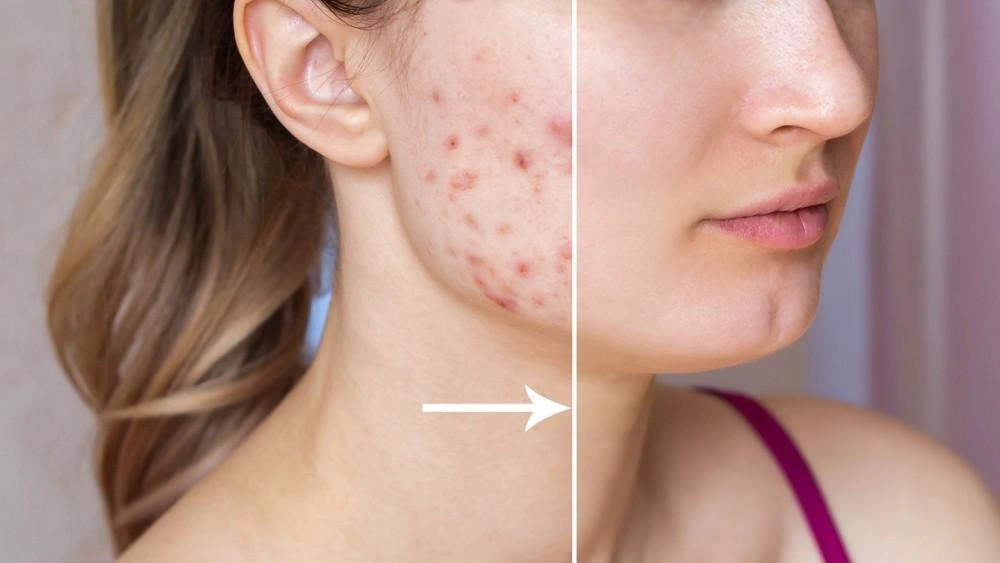
Acne and skin blemishes are common concerns that affect people of all ages. While often associated with adolescence, acne can continue into adulthood and impact confidence and self-esteem. The good news is that acne and blemishes can be managed effectively with the right skincare habits, lifestyle choices, and treatment options.
Understanding the causes of acne and learning how to treat it properly can help achieve clearer, healthier-looking skin over time.
Understanding Acne and Skin Blemishes
Acne develops when pores become clogged with excess oil, dead skin cells, and bacteria. This leads to blackheads, whiteheads, pimples, or deeper blemishes. Skin blemishes may also include dark spots, redness, and uneven texture that remain after acne heals.
Common causes include:
- Hormonal changes
- Excess oil production
- Bacterial growth
- Clogged pores
- Stress
- Poor skincare habits
Identifying triggers is the first step toward effective treatment.
Establish a Consistent Skincare Routine
A simple and consistent skincare routine is essential for managing acne and blemishes.
Gentle Cleansing
Cleansing twice daily helps remove dirt, oil, and bacteria without irritating the skin. Using a gentle, non-comedogenic cleanser prevents clogged pores while maintaining the skin’s natural balance.
Avoid harsh scrubbing, as it can worsen inflammation and lead to more breakouts.
Regular Exfoliation
Exfoliating one to two times a week helps remove dead skin cells that can clog pores. Chemical exfoliants are often more effective and gentler than physical scrubs.
Over-exfoliation should be avoided, as it can damage the skin barrier and increase breakouts.
Use Targeted Acne Treatments
Targeted treatments help control breakouts and reduce blemishes more effectively.
Topical Acne Solutions
Products designed for acne control help reduce bacteria, control oil production, and unclog pores. Applying treatments only to affected areas can minimize irritation while improving results.
Consistency is key—visible improvements often take several weeks.
Spot Treatments
Spot treatments are useful for sudden breakouts. Applying them directly to individual pimples helps reduce inflammation and speed up healing without affecting surrounding skin.
Maintain Proper Skin Hydration
Many people with acne avoid moisturizers, fearing they will worsen breakouts. However, hydration is essential for healthy skin.
Using a lightweight, oil-free moisturizer helps balance oil production and protect the skin barrier. Well-hydrated skin heals faster and is less prone to irritation.
Protect Skin from Sun Damage
Sun exposure can worsen blemishes and dark spots left behind by acne. Daily use of sunscreen helps protect the skin, prevent pigmentation, and support even skin tone.
Choosing a non-comedogenic sunscreen ensures pores remain clear while providing essential protection.
Manage Lifestyle Factors
Lifestyle habits play an important role in skin health and acne control.
Healthy Nutrition
A balanced diet supports skin health from within. Reducing highly processed foods and maintaining regular meal patterns may help minimize breakouts.
Stress Management
Stress can trigger hormonal changes that worsen acne. Managing stress through relaxation, exercise, or mindfulness can improve skin clarity.
Sleep and Hydration
Adequate sleep allows the skin to repair itself, while proper hydration helps flush toxins and maintain skin balance.
Avoid Common Acne Mistakes
Certain habits can slow down the healing process and worsen acne.
Avoid:
- Touching or picking at pimples
- Using too many products at once
- Switching treatments frequently
- Applying harsh or drying products
Patience and consistency are essential for effective treatment.
Professional Treatments for Persistent Acne
For stubborn or severe acne, professional treatments may be beneficial. These options can help control breakouts and improve skin texture.
Professional approaches may include:
- Chemical peels
- Light-based treatments
- Microneedling
- Advanced skincare therapies
A personalized approach ensures safe and effective results.
Treating Acne Scars and Blemishes
After acne clears, blemishes such as dark spots or uneven texture may remain. Treatments that promote skin renewal and collagen production can help restore smooth, even skin.
Early treatment and sun protection play a major role in preventing long-term marks.
Conclusion
Treating acne and skin blemishes effectively requires a balanced approach that combines proper skincare, healthy habits, and targeted treatments. While results take time, consistency and patience lead to lasting improvements.
By understanding your skin, avoiding common mistakes, and following a structured routine, you can achieve clearer, healthier skin and restore confidence. Effective acne care is not about quick fixes—it’s about long-term skin health and sustainable results.